Amity University Noida-B.Tech Admissions 2026
Among top 100 Universities Globally in the Times Higher Education (THE) Interdisciplinary Science Rankings 2026


JEE Main Analysis 2026: Candidates can check the JEE Main 2026 analysis for session 2 on this page. The JEE Main 2026 April session analysis will help students understand the difficulty level of Physics, Chemistry, and Mathematics across different shifts. Candidates can check the detailed JEE Main 2026 exam analysis based on memory-based questions and students' feedback. The April session serves as a vital opportunity for candidates to improve upon their earlier performance, as the best percentile obtained between the two sessions is considered for the final ranking.
Go through the article to know the difficulty level of the exam, important topics, the distribution of marks, and other details. The JEE Mains 2026 April shift 1 and 2 question papers with detailed analysis are available here. Candidates can also go through the previous year analysis provided below in this article, it will help them know about the exam pattern and types of questions asked in previous sessions.
Students who are unsure about the upcoming counselling process, cut-offs, or suitable engineering college options can seek guidance. Our expert team is ready to guide you every step of the way. Book your FREE counselling session by filling out the Google Form.
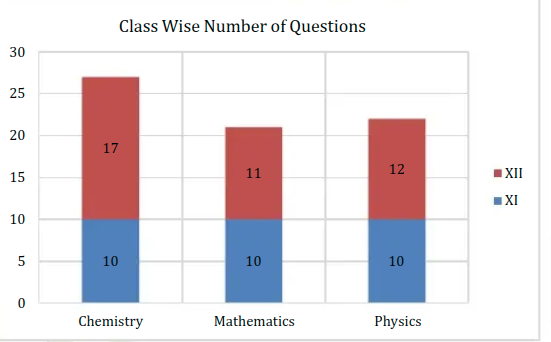
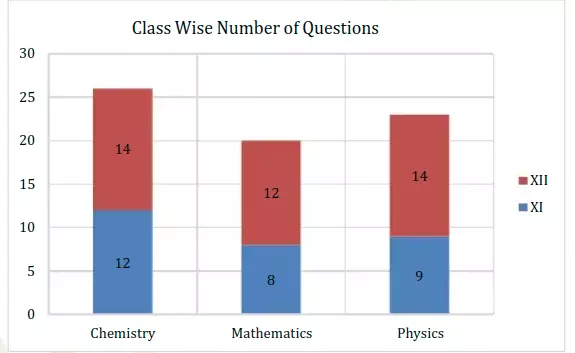
The detailed analysis for JEE Main Session 2 is available for all shifts. This analysis will enable students to have an idea of marks distribution, ratio of class 11 and class 12 syllabus and pattern of questions asked.
April 8 Shift 2 Analysis
Check more details out : JEE Main 2026: Complete Analysis with Memory Based Questions of April 8 (Shift 2)
| Parameter | Overall | Mathematics | Physics | Chemistry |
|---|---|---|---|---|
| Difficulty Level | Moderate | Moderate (Lengthy) | Easy | Moderate |
| Relative Difficulty | Maths toughest | Toughest section | Easiest section | Moderate |
| Nature of Questions | Mixed (Concept + Formula) | Lengthy & calculative | Formula-based, direct | NCERT-based, statement-driven |
| Key Topics | — | Vector Algebra, 3D Geometry | Standard formula-based topics | Physical > Organic > Inorganic |
| Class Weightage | Balanced | Balanced | Balanced | Balanced |
| Overall Trend | Easier than January, similar to 6 April shifts | Time-consuming, moderate level | Scoring and quick to attempt | Moderate with higher weightage of Physical & Organic Chemistry |
April 7 Shift 2 Analysis
| Parameter | Overall | Mathematics | Reasoning | General Awareness / Architecture | Drawing |
|---|---|---|---|---|---|
| Difficulty Level | Easy to Moderate | Moderate | Easy | Moderate to Difficult | Moderate |
| Relative Difficulty | GA toughest | Moderate | Easiest section | Toughest section | Scoring but skill-based |
| Nature of Questions | Mixed (Concept + Application) | Concept-based, some calculative | Logical & direct | Static GK + Architecture-based | Creative & visualization-based |
| Key Topics | — | Probability (Dice), Relations & Sets, Linear Equations | Logical reasoning | Architects, Town Planning, Scale, Monuments | Falling Water, Logo Design |
| Class Weightage | Balanced | Class 11 dominant | — | — | — |
| Overall Trend | Balanced paper with mix of aptitude & creativity | Conceptual with Class 11 focus | Easy & scoring | Slightly tricky & knowledge-based | Creative, scoring for practice students |
April 6 Shift 2 Analysis
Check out all the details that will be added below soon.
JEE Main 2026: Complete Analysis with Memory Based Questions of April 6 (Shift 2)
| Parameter | Overall | Physics | Mathematics | Chemistry |
|---|---|---|---|---|
| Difficulty Level | Easy to Moderate | Easy to Moderate | Moderate (Lengthy) | Easy to Moderate |
| Relative Difficulty | Maths toughest | Easiest section | Toughest & lengthy | Between Physics & Maths |
| Nature of Questions | Balanced (Concept + Formula) | Direct, formula-based | Conceptual, lengthy & calculative | NCERT-based + statement-based |
| Key Topics | — | Ray Optics, Modern Physics, Current Electricity, Rotational Motion | Mixed topics (concept-based, lengthy) | Physical, Organic (higher weightage), statement-based questions |
| Class Weightage | Balanced | Mostly Class 12 | Mixed (11 + 12) | Physical > Organic > Inorganic |
| Overall Trend | Similar to 6 April morning; easier than January | Scoring & less time-consuming | Lengthy but easier than earlier shifts | Slightly lengthy due to statements but scoring |
April 6 Shift 1 Analysis
Check out all the details below:
JEE Main 2026 : Memory Based Questions and Analysis of April 6 (shift 1 )
| Parameter | Overall | Physics | Mathematics | Chemistry |
|---|---|---|---|---|
| Difficulty Level | Moderate | Easy to Moderate (Lengthy) | Difficult (Lengthy) | Moderate to Tough |
| Relative Difficulty | Maths toughest | Easiest section | Toughest & most time-consuming | Between Physics & Maths |
| Nature of Questions | Balanced (Concept + Formula) | Calculation-based, lengthy | Conceptual, lengthy & calculative | NCERT-based + some calculative |
| Key Topics | — | Optics, Current Electricity, Modern Physics, NLM, Rotational Motion, Electrostatics, SHM | Vector & 3D, Conic Sections, Matrices, Statistics, Integral Calculus | Biomolecules, Chemical Bonding, Mole Concept, Thermodynamics, Equilibrium, Periodic Table |
| Class Weightage | Balanced | Mostly Class 12 | Mixed (11 + 12) | Inorganic & Organic from NCERT |
| Overall Trend | Moderate paper; tougher than 5 April, easier than January | Lengthy but doable | Very lengthy & time-consuming | NCERT-based, slightly lengthy but scoring |
April 5 Shift 2 Analysis
Check out all details below:
JEE Main 2026 : Memory Based Questions and Analysis of April 5 (shift 2 )
| Parameter | Overall | Physics | Mathematics | Chemistry |
|---|---|---|---|---|
| Difficulty Level | Easy to Moderate | Easy to Moderate | Moderate (Lengthy) | Easy to Moderate |
| Relative Difficulty | Maths toughest | Easier than Maths | Toughest section | Easiest section |
| Nature of Questions | Balanced (Concept + Formula) | Mostly direct, formula-based | Conceptual, lengthy & calculative | NCERT-based + statement-based |
| Key Topics | — | Units & Dimensions, Kinematics, Rotational Motion, Electrostatics, Current Electricity, Ray Optics, Modern Physics | Vectors & 3D, Coordinate Geometry, Integral Calculus, Matrices, Statistics, Sequence & Series | Biomolecules, Chemical Kinetics, GOC, Electrochemistry, Solutions, Coordination Compounds, Chemical Bonding, Thermodynamics, p-Block |
| Class Weightage | Class 12 dominant | Mostly Class 12 | Mixed (Class 11 + 12) | Inorganic > Physical > Organic |
| Overall Trend | Similar to other April shifts, easier than January session | Scoring and less time-consuming | Lengthy but manageable | Slightly lengthy due to statement-based questions but scoring |
April 5 Shift 1 Analysis
Check out all details below
JEE Main 2026 : Memory Based Questions and Analysis of 5th April (Shift-1).
| Parameter | Overall | Physics | Mathematics | Chemistry |
|---|---|---|---|---|
| Difficulty Level | Easy to Moderate | Easy to Moderate | Moderate (Lengthy) | Easy |
| Relative Difficulty | Maths toughest | Easier than Maths | Toughest section | Easiest section |
| Nature of Questions | Balanced (Concept + Formula) | Mostly direct, formula-based | Conceptual, lengthy & calculative | NCERT-based, direct |
| Key Topics | — | Optics (Microscope), Current Electricity, Modern Physics, EMI, Electrostatics | Vectors & 3D, Conics, Calculus, Functions, Differential Equations | D & F Block, Biomolecules, Chemical Bonding, Amines, Coordination Compounds |
| Class Weightage | Class 12 dominant | Mostly Class 12 | Mixed (Class 11 + 12) | Inorganic & Organic dominant |
| Overall Trend | Similar to other April shifts, easier than January session | Scoring and less time-consuming | Lengthy but easier than tougher April shifts | Very easy and highly scoring |
April 4 Shift 2 Analysis
Check out all details below:
JEE Main 2026 : Memory Based Questions and Analysis of 4th April (Shift-2)
| Parameter | Overall | Physics | Mathematics | Chemistry |
|---|---|---|---|---|
| Difficulty Level | Easy to Moderate | Easy to Moderate | Moderate (Lengthy) | Easy to Moderate |
| Relative Difficulty | Maths toughest | Slightly easier | Toughest but easier than morning | Easiest section |
| Nature of Questions | Formula + Concept-based | Direct, formula-based | Concept-driven, time-consuming | NCERT-based, slightly calculation-heavy |
| Key Topics | — | Optics, Electrostatics, Current Electricity, Semiconductors | Vectors & 3D, Matrices, Mixed topics | Chemical Bonding, Electrochemistry, Biomolecules |
| Class Weightage | Class 12 dominant | Mostly Class 12 | Mixed | Inorganic-heavy |
| Overall Trend | Easiest shift of April session, easier than Jan and morning shift | Scoring but slightly lengthy | Lengthy but easier than morning | Very easy and highly scoring |
April 4 Shift 1 Analysis
For complete details, you can also view the JEE Mains 2026 April 4 Shift 1 Complete Analysis PDF Download.
| Parameter | Overall | Physics | Mathematics | Chemistry |
|---|---|---|---|---|
| Difficulty Level | Easy to Moderate | Moderate | Moderate (Lengthy) | Moderate |
| Relative Difficulty | Maths toughest | Easiest in this shift | Toughest (more lengthy ) | Between Physics & Maths |
| Nature of Questions | Formula + Concept-based | Direct, formula-based | Concept-driven, time-consuming | Calculation-heavy (Physical focused) |
| Key Topics | — | Optics, Rotational Motion, Fluids, Modern Physics | Conics, Vectors & 3D, Calculus | Electrochemistry, Coordination, Amines |
| Class Weightage | Class 12 dominant | Mostly Class 12 | Mixed | Physical-heavy |
| Overall Trend | Similar to morning shift, easier than Jan | Scoring but slightly lengthy | Harder than morning shift | Tougher than morning, time-consuming |
April 2 Shift 2 Analysis
You can check the in detailed analysis using the JEE Mains April 2 Shift 2 complete analysis ebook.
| Parameter | Overall | Physics | Mathematics | Chemistry |
|---|---|---|---|---|
| Difficulty Level | Easy to Moderate | Moderate | Tougher (Lengthy) | Moderate |
| Relative Difficulty | Maths toughest | Easiest in this shift | Toughest (more lengthy than morning) | Between Physics & Maths |
| Nature of Questions | Formula + Concept-based | Direct, formula-based | Concept-driven, time-consuming | Calculation-heavy (Physical focused) |
| Key Topics | — | Optics, Rotational Motion, Fluids, Modern Physics | Conics, Vectors & 3D, Calculus | Electrochemistry, Coordination, Amines |
| Class Weightage | Class 12 dominant | Mostly Class 12 | Mixed | Physical-heavy |
| Overall Trend | Overall moderate and similar to April 2 shift | Scoring but slightly lengthy | Harder than morning shift | Tougher than morning, time-consuming |
April 2 Shift 1 Analysis
You can check the in detailed analysis using the JEE Mains April 2 Shift 1 complete analysis ebook. The analysis table is provided below
| Parameter | Overall | Physics | Mathematics | Chemistry |
|---|---|---|---|---|
| Difficulty Level | Easy to Moderate | Easy | Moderate (Lengthy) | Very Easy |
| Relative Difficulty | Maths toughest | Easier than Maths | Toughest section | Easiest section |
| Nature of Questions | Concept-based + Assertion | Direct + Conceptual | Application-based, Time-consuming | NCERT-based, Direct |
| Key Topics | — | Electrostatics, Ray Optics, Kinematics | Vectors, 3D, Statistics, Calculus | Coordination, Bonding, Salt Analysis |
| Class Weightage | Class 12 > Class 11 | More Class 12 | Mixed | Inorganic-heavy |
| Overall Trend | Easier than Jan session | Scoring | Lengthy | Highly scoring |
Get expert advice on college selection, admission chances, and career path in a personalized counselling session.
The memory-based questions gathered from students after each shift will be organized and conveyed to the class. These PDFs are valuable resources for students who have their exams scheduled for later dates in the April session.
Check some memory based questions below:

Check some memory based questions below:
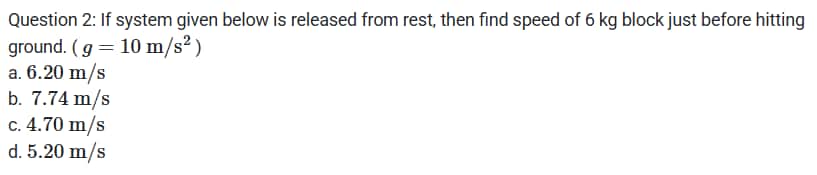
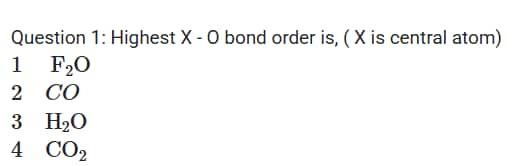
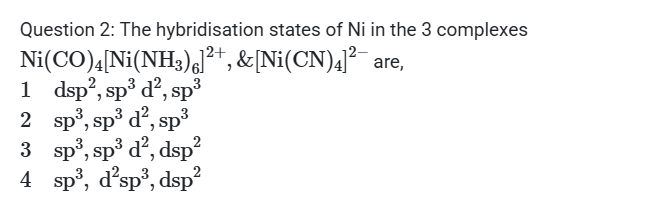
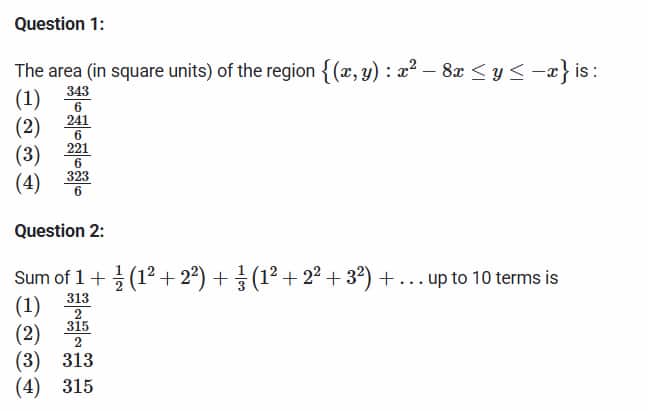
Check memory based questions below: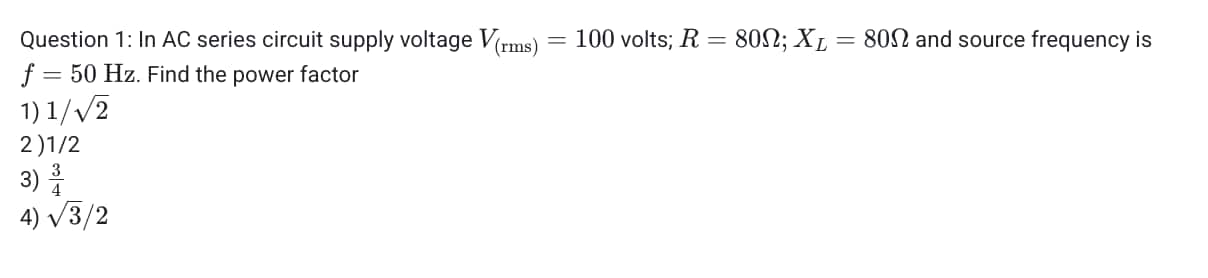

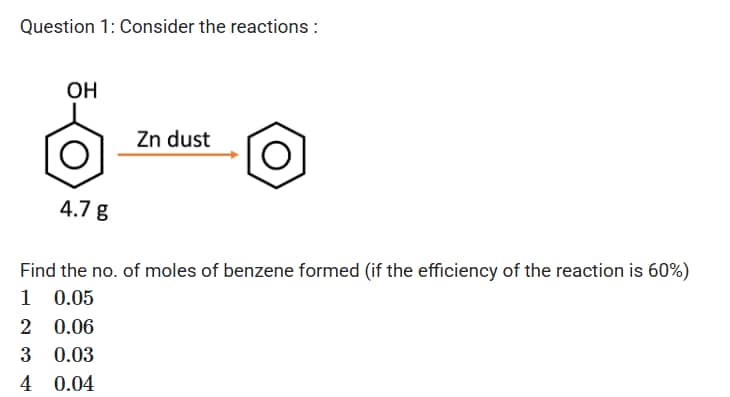
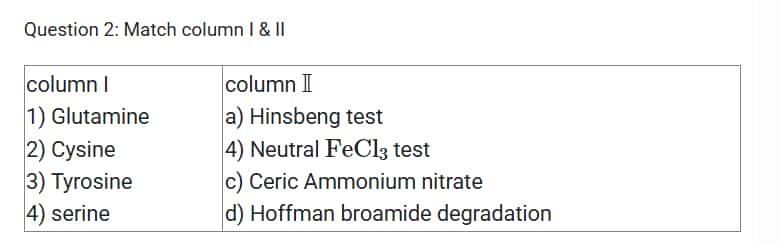
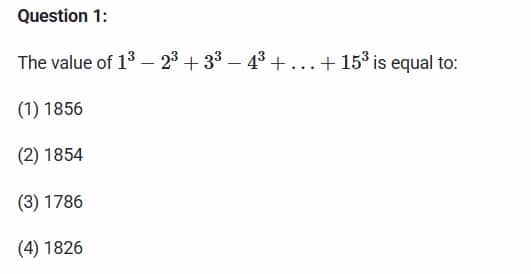
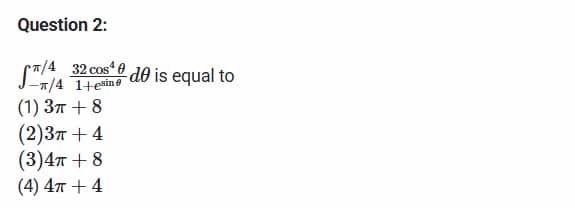
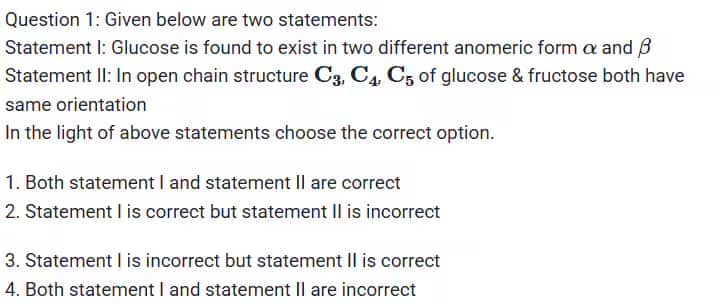
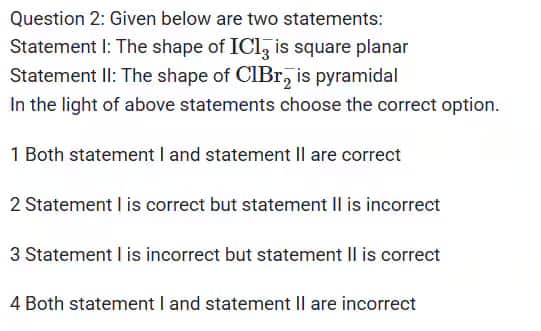
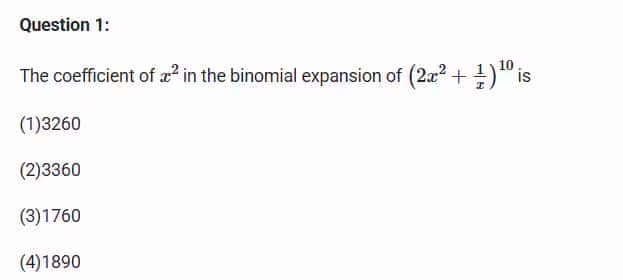
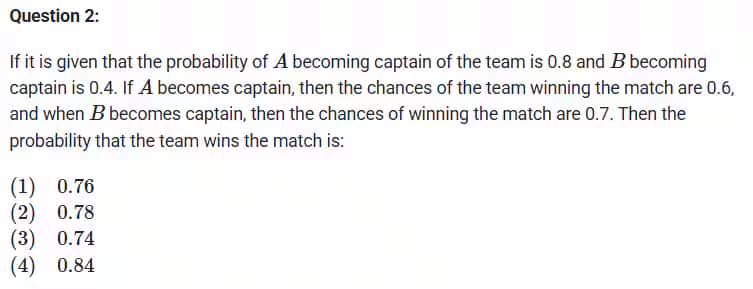
Details and questions are added below:
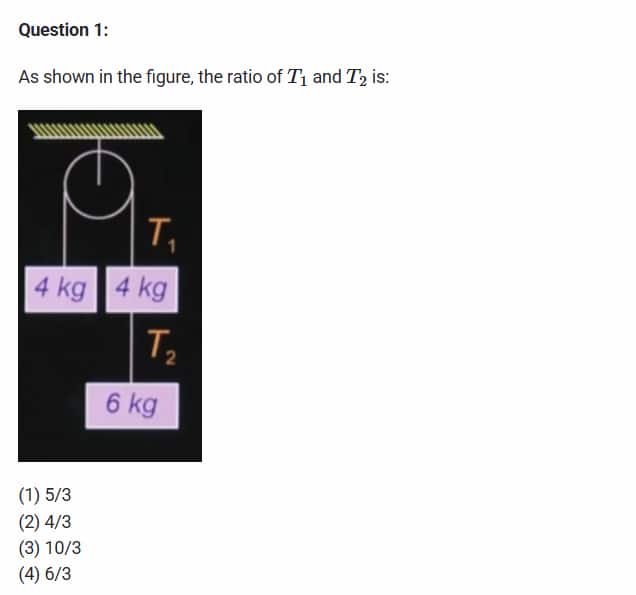
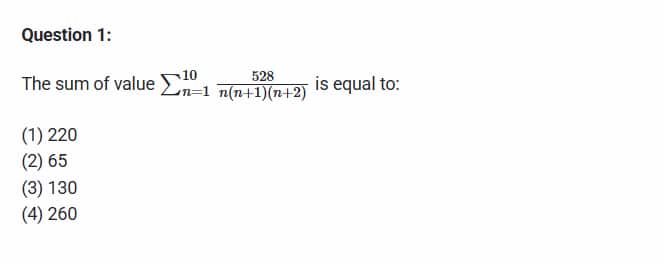

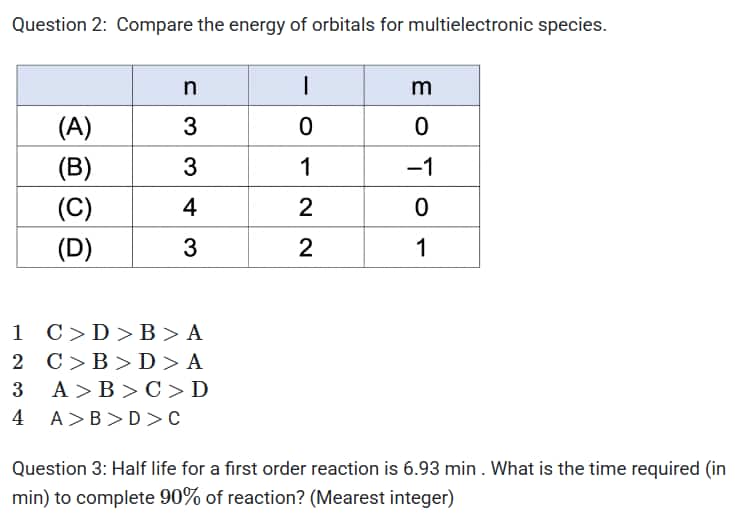
Memory based questions are added below:
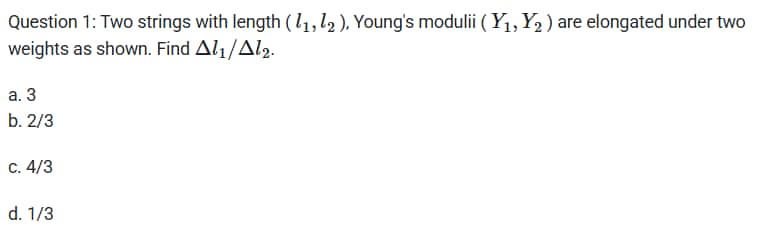
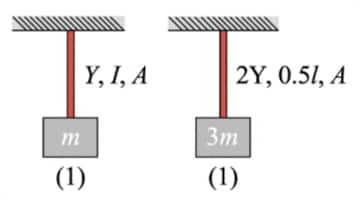
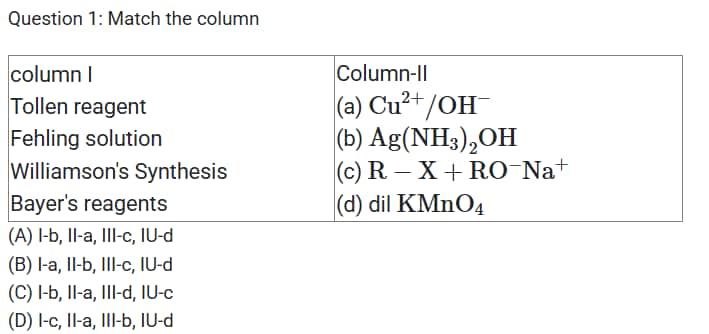
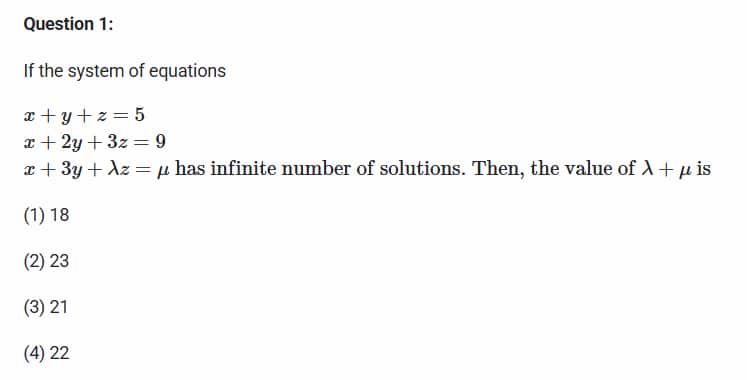
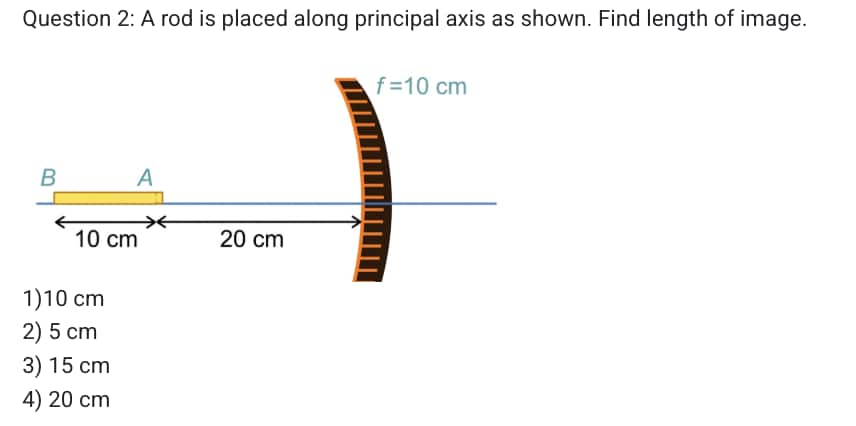

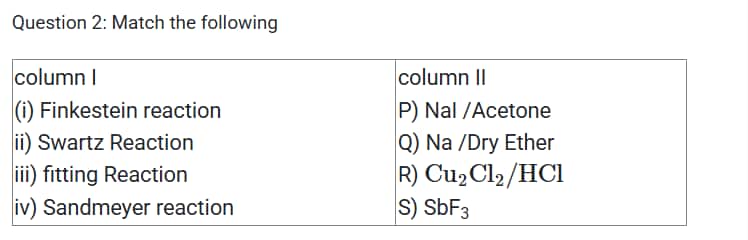

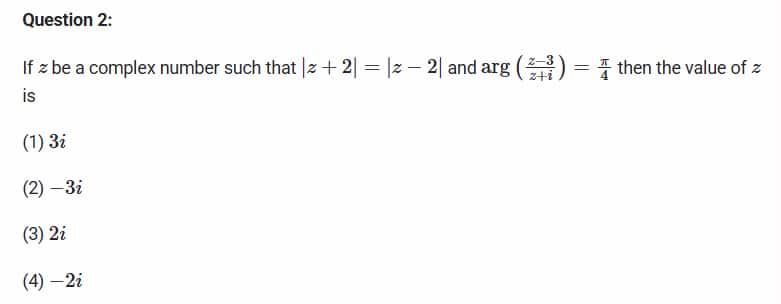
Here memory based questions asked in JEE Mains 2026 2nd April Shift 2 paper are provided. This will help you practice in real time, as it is the first hand information you are getting directly from students who just gave their exams. If your exam is in later shifts, you can use this information to know how difficult or easy the questions will be.
Question1:
In an equilateral prism, the path of a ray is shown. Determine the refractive index.
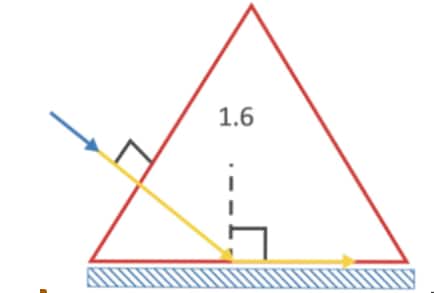
(a) 1.71
(b) 1.52
(c) 1.39
(d) 1.84
Question 2:
What is the equivalent gate for the circuit?
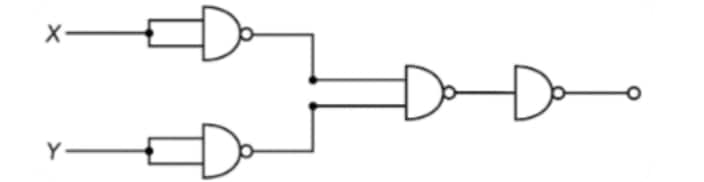
(a) AND gate
(b) OR gate
(c) NAND gate
(d) NOR gate
Question 3: A soap bubble of radius r=1 mm, liquid of density ρ1=2000 kg/m3. At the instant, the bubble is rising upward with constant velocity v=12 cm/s. Find the coefficient of viscosity (η).
(a) 29 N−S/m2
(b) 49 N−S/m2
(c) 23 N−S/m2
(d) 89 N−S/m2
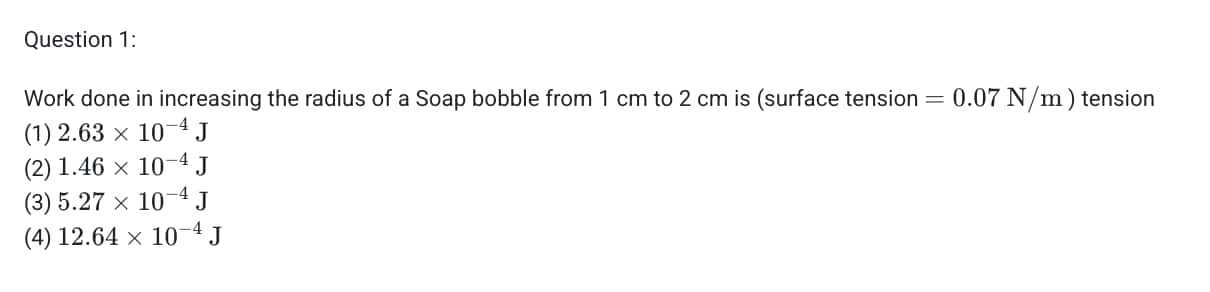
Question 4: The surface tension of a soap bubble is 0.03 N/m. The work done in increasing the diameter of the bubble from 2 cm to 6 cm is απ×10−4 J. Find the value of α.
Question 5: The surface tension of a soap bubble is 0.03 N/m. The work done in increasing the diameter of the bubble from 2 cm to 6 cm is απ×10−4 J. Find the value of α.
Question 6. Dimensions of G (Universal gravitational constant) in terms of h (Plank's constant), m (mass) and t (time) and L (Length) will be
A. h−1Lm−2t
B. hL−1 m2t
C. hLm−2t−1
D. h−1L−1m2t−1
Question 7. Position of a particle is given by x=asin(50t+π/3). If speed and acceleration for the first time at time t1&t, respectively. Then t1&t2 are
A. π150,π300
B. π300,π75
C. π50,π150
D. π300,π150
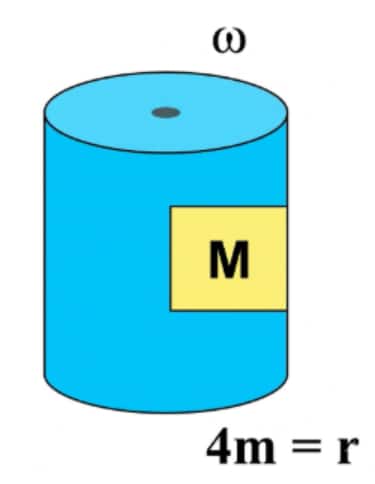
Question 8. Determine the minimum μ so that block do not slip with respect to wall of cylinder
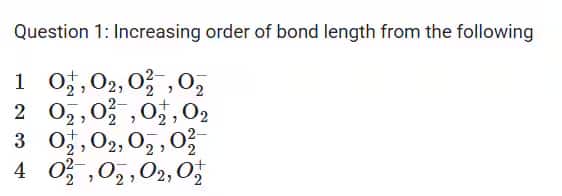
Question 1: Arrange following complexes in increasing order of CFSE ( Δ0 )
(a) [Co(H2O)6]2+
(b) [Co(H2O)6]3+
(c) [Co(en)3]3+
1c>a>b
2c>b>a
3a>b>c
4b>a>c
Question 2:
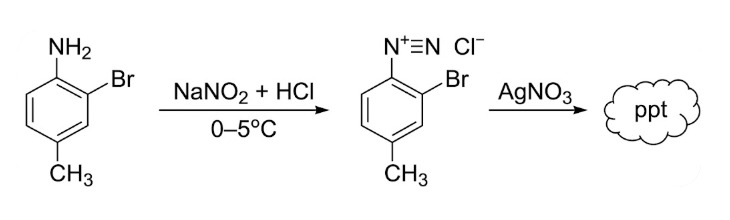
Question 3:
Consider the reaction given below :
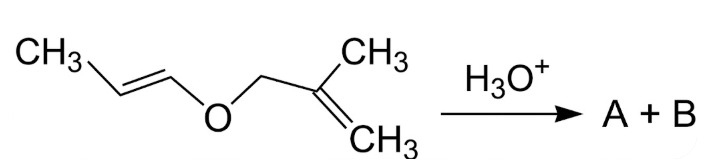
A gives positive Fehling's test. Choose the correct relation.
1) Molar weight of A and molar weight of B are same
2) Molar weight of A is greater than molar weight of B
3) Molar weight of B is greater than molar weight of A
4) ) None of these
Question 4:
The surface tension of a soap bubble is 0.03N/m. The work done in increasing the diameter of the bubble from 2 cm to 6 cm is απ×10−4 J. Find the value of α.
Question 5:
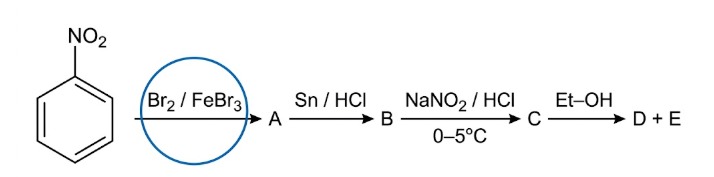
Aromatic compound find out the A & E
Question 6: Molarity of H2SO4 solution is 4.9 M . If density of solution is 1.40 g/ml, then molality and mole fraction of solute In solution is
1 m=5.34,χsolute =0.088
2 m=5.34,χsolute =0.072
3 m=5.21,xsolute =0.088
4 m=5.21,χsolute =0.072
Question 7: The correct set that contains all kinds (basic, acidic, amphoteric and neutral) in Oxides is
a) Na2O,N2O,Al2O3 and CO
b) Al2O3,As2O3,CO and NO
c) K2OCl2O7,As2O3 and NO
d) Na2O,K2O,Al2O3 and AS2O3
Question 8:
List-I (S) P | List-II (A) Insulin (B) Threonine (C) Tyrosine (D) Glutamine (E) Proline |
Question 1:
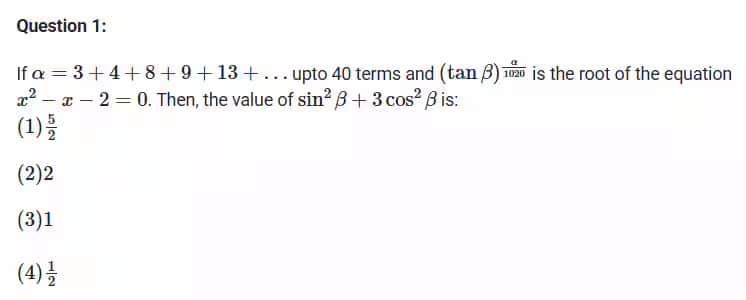
The value of the sum ∑n=1813+23+…+ upto n terms 1+3+5+… upto n terms is:
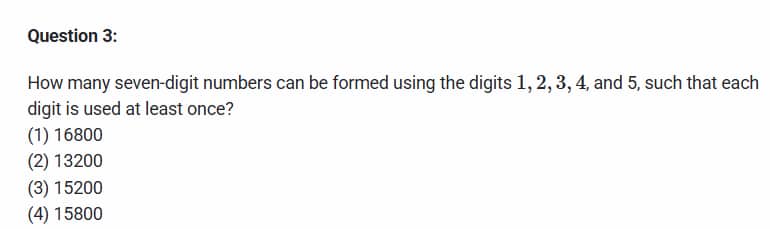
Question 2:
f(x) is 5 degree polynomial has extremes at x=±1 and limx→0f(x)x3=5, then f(2)−f(−2) is:
Question 3:
Consider the number N=21PQ5304, where P and Q are digits.
The number of ordered pairs ( P,Q ) such that N is divisible by 9 is:
Options:
(1) 11
(2) 12
(3) 10
(4) 8
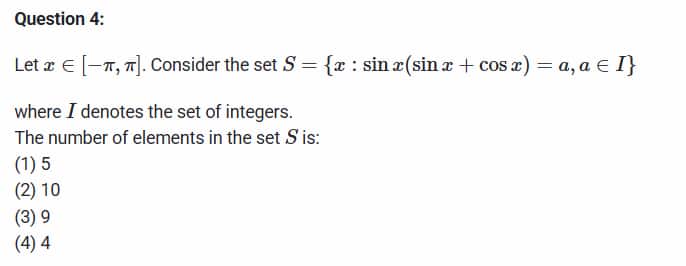
Question 4:
If
30C30−r+330C31−r+330C32−r+30C33−r=nCr,
Then the value of n is:
Question 5:
Evaluate the sum
131+13+231+3+13+23+331+3+5+⋯ up to 8 terms.
(1) 71
(2) 70
(3) 73
(4) 72
Question 6:
Evaluate the integral
∫020π(sin4x+cos4x)dx
(1) 15π
(2) 15π2
(3) 25π
(4) 25π2
Question 7:
A regular polygon with n sides is given. Pn denotes no. of triangles formed by joining any three points of given regular polygon. If Pn+1−Pn=66, then the sum of all srime divisors of n is
(1) 9
(2) 5
(3) 11
(4) 23
Question 8:
On tossing a coin, 10 points are obtained if a head appears, 5 points are obtained if a tail appears. Find the probability of obtaining 30 points.
(1) 4364
(2) 4463
(3) 4168
(4) 4071
You can find some subject wise memory based questions below:
Physics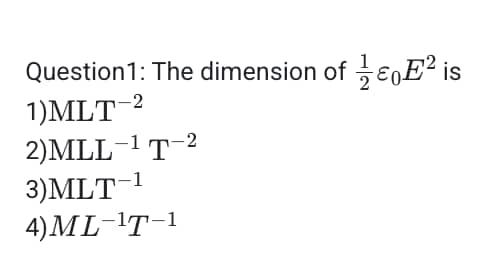
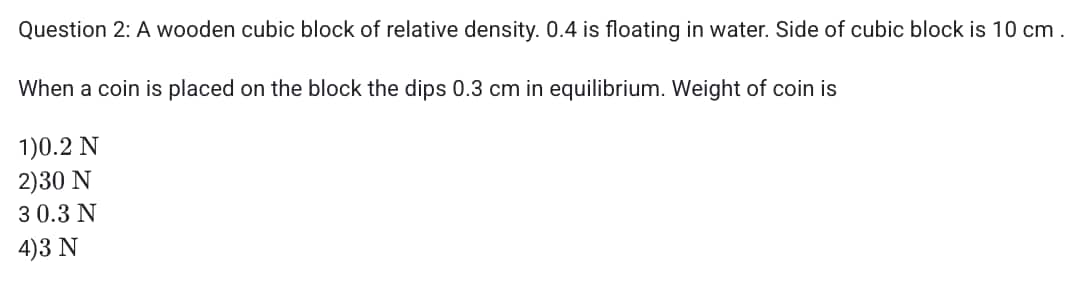
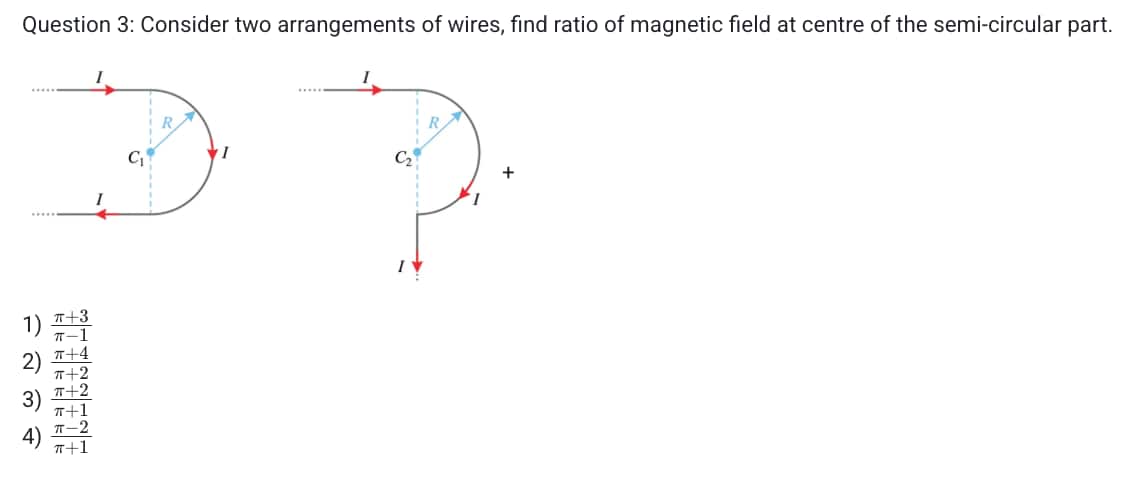

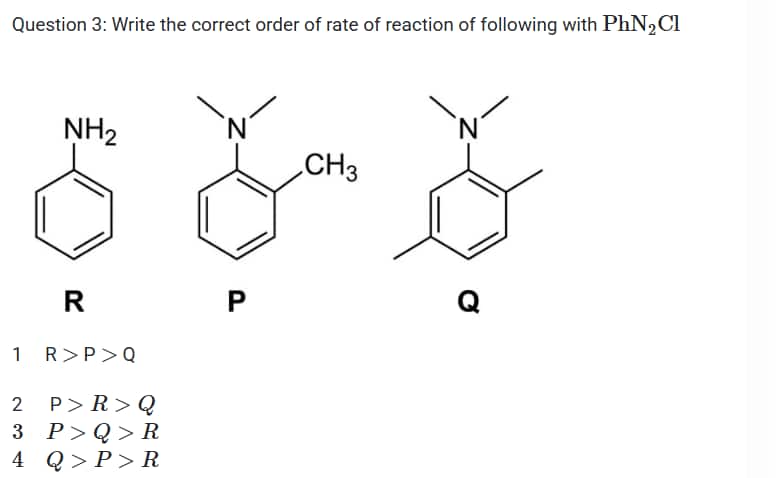
Chemistry 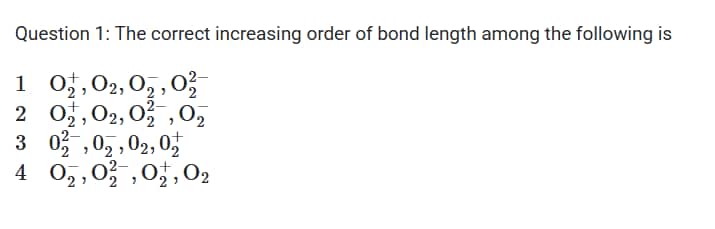


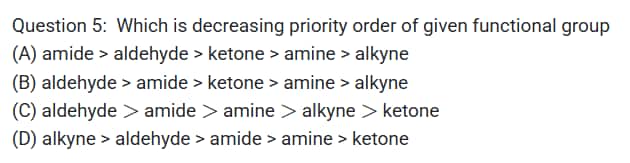
Mathematics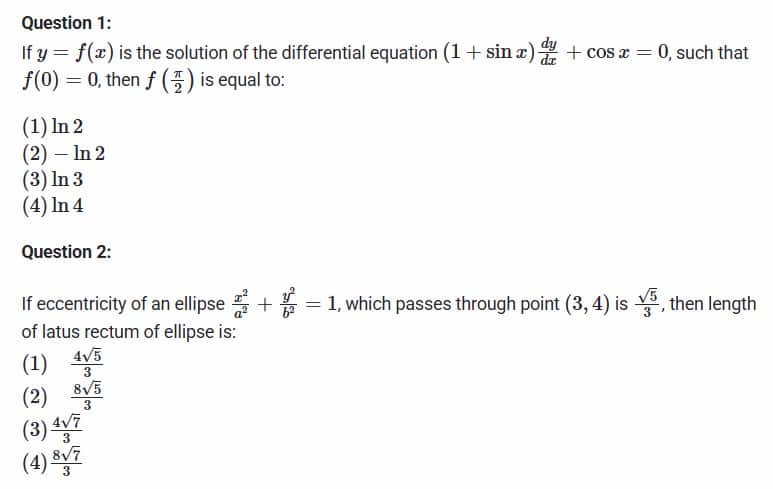
Below, we have provided the memory-based questions and analysis pdf links for Jan 21, Jan 22, Jan 23, Jan 24 and 28 both shifts.
Candidates can check the shift wise analysis for JEE Main 2026 session 1 & 2 below.
JEE Mains 2026 Jan 29 paper analysis shift 1 details are provided below here. This section is updated as the exam is over.
JEE Main Maths Analysis:
JEE Main Drawing/Planning Analysis:
JEE Main Aptitude Analysis:
Here we are sharing the overall as well subject-wise exam analysis for January 28 shift 2 as it is over now:
1. JEE Main Physics Analysis:
The overall difficulty level of the Physics paper was on the tougher side.
The overall difficulty level of the JEE Main 23rd January evening shift Physics section was tougher than the morning shift
The Physics paper was tough with respect to the maths and chemistry papers.
The average time taken for physics was approximately 60 minutes
Students were able to attempt around 10-11 questions in physics
No questions were asked about wave optics, alternating current, and modern physics
2. JEE Main Chemistry Analysis:
Overall difficult level of Chemistry was moderate
The overall difficulty level of the Chemistry section in the JEE Main 28 January evening shift was similar to that of Today's morning shift and shifts conducted between 21 and 24 January.
The Difficulty level of the Chemistry paper was similar to maths and easier than the Physics section.
The paper has almost 8 statement-based and three to four assertion-reasoning questions
The paper was doable for those who went through the proper revision
3. JEE Main Maths Analysis:
The overall difficulty level of the Mathematics section in this shift was moderate to hard.
The Maths paper in this shift had lengthy questions. Several questions needed careful calculation, which made proper time management very important.
The Maths section in this shift was relatively tougher than Physics and Chemistry.
The evening shift's difficulty level was easier than the morning shift.
Most of the students attempted almost 8 to 12 questions from this section.
The average time taken for the Mathematics section was approximately 90 minutes.
Scoring well required a strong grip on concepts, precision, accuracy in calculations, and smart time management while balancing other subjects.
Proper question selection helped save a lot of time, as a few questions were straightforward or moderate, but a few were tricky to tackle.
A few questions were there, along with slight variations from the previous year's JEE questions, and the questions were comparatively lengthier than in previous years.
Most of the questions were based on the prescribed syllabus
Here we are sharing the overall as well subject-wise exam analysis for January 28 shift 1 as it is over now:
1. JEE Main Physics Analysis
The overall difficulty level of the Physics paper was easy to moderate.
The overall difficulty level of the JEE Main 28th January morning shift Physics section was easy compared to the other shifts.
The Physics paper was hard with respect to the maths and chemistry papers.
The average time taken by students to solve the Physics paper is around 1 hour.
Students were able to solve around 16-17 questions in the physics paper.
2. JEE Main Maths Analysis
The overall difficulty level of the Mathematics section in this shift was moderate to difficult.
This shift’s Maths section had lengthy questions. Several questions needed careful calculation, which made proper time management very important.
The Maths section in this shift was relatively tougher than physics and chemistry.
The difficulty level was comparatively more difficult than the shifts happened till now, i.e., (21-24 January).
The question paper pattern remained constant with other shifts.
The average time taken for Mathematics was approximately 70-80 minutes.
The mathematics section tested both the conceptual understanding and calculation skills.
To do well, students needed strong basics, quick calculations, accuracy, and good time management while handling other subjects.
Proper question selection helped save a lot of time, as a few questions were straightforward or moderate, but a few were tricky to tackle.
A few questions were there, along with slight variations from the previous year's JEE questions.
Most of the questions were based on the prescribed syllabus.
3. JEE Main Chemistry Analysis:
Overall difficult level of Chemistry was moderate
The overall difficulty level of the Chemistry section in the JEE Main 28 January morning shift was similar to that of the shifts conducted between 21 and 24 January.
The Chemistry paper was easy wrt maths and difficult wrt physics sections.
The paper was doable for those who went through the proper revision
The organic portion had more named reaction questions
The chemistry section required almost 55-60 minutes to solve
The organic portion was more than the inorganic, and the physical section
Organic chemistry was very lengthy
Statement-type questions are asked from Physical Chemistry
Here we are sharing the overall as well subject-wise exam analysis for January 24 shift 1 and 2 as it is over now:
Overall Paper Analysis
JEE Main 2026 – 24 January Evening Shift Analysis
The overall difficulty level of the exam was Moderate.
Compared to the 24th January JEE Main 2026 morning shift, this evening shift was almost similar.
In terms of difficulty, the overall order was Chemistry > Mathematics> Physics for the 24th January evening shift.
Chemistry and mathematics were lengthy, but physics was doable based on formulas and a little bit of calculation.
The paper was a bit difficult wrt January 2025 shifts.
The 11th portion was more than the 12th.
Questions were asked about the following Topics:
JEE Main Physics Analysis
2 questions from Ray optics
2 questions from electrostatics
1 question from sound (Topic -organ pipe)
2 questions from modern physics (Topic- Radioactivity)
2 questions from fluid mechanics (Topic - Buoyancy)
1 question from semiconductor (Topic - Logic gates)
1 question from magnetism
1 question from rotational motion (Topic- moment of inertia)
1 question from units and measurement (Topic- vernier calliper)
JEE Main Chemistry Analysis
2 questions from Electrochemistry
1 question from Thermodynamics
2 questions from Coordination Compounds
2 questions from chemical bonding
1 question from periodic properties
2 questions from some basic concepts of Chemistry (Mole Concept)
1 question from GOC
1 question from Chemical Kinetics
1 question from Ionic Equilibrium
1 question from Amines
1 question from p-block
JEE Main Maths Analysis
2-3 Questions from Vector Algebra and Three-Dimensional Geometry
3-4 Questions from Sets, Relations and Functions (Based on relation and subset)
2 Questions from Integral Calculus
Question from the Differential equation
1 Question from Probability
1 Question from Statistics
1 Question was from Straight lines based on the shortest distance
4 Questions from Conic Sections (Ellipse question mixed with function)
1 Question from Trigonometry
JEE Main 2026 – 24 January Morning Shift Analysis
The overall difficulty level of the exam was Moderate.
JEE main 2026, 24th Jan morning shift was easy wrt the Jan 23 shifts.
For this Shift Mathematics was lengthy, Physics was moderate and bit lenghty and Chemistry was balanced.
Overall level of JEE Main 24th Jan Morning shift: Maths>Physics>Chemistry
Overall, Statement-based questions are in large numbers
1. JEE Main Physics Analysis:
The overall difficulty level of the JEE Main 24th January morning shift Physics paper was moderate.
The overall difficulty level of the JEE Main 24th January morning shift Physics section was similar to yesterday.
The Physics paper was lengthy with respect to the maths and chemistry papers.
JEE Main 24th January morning shift Physics paper was formula-based.
Students took approximately more than 1 hour to solve the physics section.
Questions were asked about the following Topics:
3 questions from ray optics (Topic - 1 from microscope, 1 from prism, 1 from Brewster angle)
1 question from modern physics (Topic - spectral series)
1 question from kinematics (Topic - Projectile)
2 questions from fluid mechanics (Topic - Time period of oscillation, Terminal velocity
2 questions from electrostatics (Topic - meter bridge)
1 question from laws of motion (Topic - Three-block system)
1 question from rotational motion
1 question from Alternating current (Topic - LCR circuit)
1 question from semiconductor (Topic - Zener diode)
1 question from Units and measurement
1 question from Gravitation (Topic - Gravitational Potential Energy)
2. JEE Main Maths Analysis
The overall difficulty level of the Mathematics paper in this shift was moderate.
This shift’s Maths paper had lengthy questions. Several questions needed careful calculation, which made proper time management very important.
The Maths section in this shift was tougher than Physics and Chemistry.
The Maths section in this shift was relatively tougher and lengthier than the other shifts. (21, 22, & 23 Jan). But easier than 23 January’s evening shift.
The maths section involved multi-step calculations; each question required approximately 8-10 minutes.
The question paper pattern remained constant with other shifts.
Most of the students attempted almost 10-14 questions from this section.
The average time taken for the Mathematics section was approximately 70 to 90 minutes to cover all the questions.
To score well, students needed clear concepts, good calculation speed, and accuracy.
Students should make smart use of their time while handling other subjects.
Questions were from the following important topics:
3 Questions from Vector Algebra and Three-Dimensional Geometry
1 Question from Relations and Functions
1 Question from Integral Calculus
1 Question from Coordinate Geometry
1 Question from Statistics
1 Question from Matrices
1 Question from Probability
1 Question from Permutation & Combination
2 Questions from Sequence & Series (1 question had mixed concepts of PnC and sequence and series)
1 Question from the Quadratic equation
1 Question from the Binomial Theorem
4 Questions from Conic Sections and Straight lines (1 from Ellipse and 1 from Circle)
1 Question from Trigonometry
3. JEE Main Chemistry Analysis
Overall, the difficulty level of Chemistry was easy to moderate
The overall difficulty level of the Chemistry section in the JEE Main 24 January morning shift was easy compared to the 21, 22, and 23 January shifts.
The Chemistry paper was easy wrt maths and physics sections.
The paper was doable for those who went through the proper revision
The questions comprised a balanced mix of concepts from Physical, Organic, and Inorganic Chemistry. With more weightage in Physical.
The chemistry section required almost 50 minutes to solve
The paper has statement-based questions
Physical Chemistry is tougher than organic and inorganic.
For better scoring in Chemistry, students should study beyond the NCERT as well.
Physical questions are lengthy and mixed.
Questions were asked about the following Topics:
1 question from Salt Analysis
1 question from Electrochemistry
4 questions from Coordination Compounds (Paramagnetic and Diamagnetic)
1 question from GOC
2-3 question from Chemical Bonding and Molecular Structure
1 question from Amines
2 question from Chemical Kinetics
1 question from Solutions
1 questions from Biomolecules
1 question from Ionic equilibrium
1 question from Thermodynamics
Here we are sharing the exam analysis for January 23 shift 1 as it is over now:
1. JEE Main Physics Analysis
The overall difficulty level of the Physics paper was easy.
The overall difficulty level of the JEE Main 23rd January morning shift Physics section was difficult compared to the 21st jan evening shift and easy with the morning shift of 21st Jan.
The Physics paper was hard with respect to the maths and chemistry papers.
JEE Main 22rd January morning shift Physics paper time taking due to its toughness.
Questions were asked about the following Topics:
2 questions from Error analysis
1 matching-type question from Electrostatics
1 question from the Lyman series and de Broglie wavelength
2 questions from Optics
1 question from Current Electricity
1 question from MOI
1 question from angular momentum
1 question from AC
1 question from magnetic effect of current
2. JEE Main Chemistry Analysis
Overall difficult level of Chemistry was moderate
Chemistry questions are tricky and time-consuming.
The overall difficulty level of the Chemistry section in the JEE Main 23 January morning shift was at a similar level compared to the 21 and 22 January shifts.
The Chemistry paper was tough wrt maths and physics sections.
The paper was doable for those who went through the proper revision
The organic include in all questions
The chemistry section required almost 50-55 minutes to solve
Paper has statement-based questions
Organic and inorganic are tougher than physical.
Questions were asked about the following Topics:
1 questions from Some basic concepts of chemistry ( Mole Concept)
1 question from Chemical Bonding
1 question from biomolecules
1 question from GOC
1 question from Ionisation Energy
Mix question from chemical and ionic equilibrium
1 question from electrochemistry
1 question from Chemical Kinetics ( Graph type question)
1 question from Amines
3. JEE Main Maths Analysis
The overall difficulty level of the Mathematics paper in this shift was moderate.
The Maths paper had lengthy questions.
The maths section was difficult compared to physics and chemistry.
This shift's difficulty level was moderate, similar to the shifts that have happened so far.
The question paper pattern remained the same as in other shifts.
Mathematics sections had lengthy questions that required time to handle.
The average time taken for the Mathematics section was approximately 70-80 minutes.
To score well, students needed clear concepts, good calculation speed, accuracy, and smart use of time while handling other subjects.
Questions were from the following important topics:
1 Question from Relation
6 Questions from Trigonometry
2 Question from Matrices and Determinants (1 Adjoint, 1 Inverse)
3 Questions from Vector Algebra and Three-Dimensional Geometry
Questions from Integral Calculus
2 Questions from conic sections
Here we are sharing the exam analysis for January 22 shift 2 as it is over now:
1. JEE Main Physics Analysis
The overall difficulty level of the Physics paper was moderate.
The overall difficulty level of the JEE Main 22nd January evening shift Physics section was tougher than the morning shift
The Physics paper was easy with respect to the maths and chemistry papers.
JEE Main 22nd January evening shift Physics paper was easy compared to last year's JEE Main.
The average time taken for physics was approximately 50 minutes
Students were able to attempt around 18-19 questions in physics
Fewer questions were from the Chapters having more weightage in general
4-5 questions were present of statement based in physics section.
Questions were asked about the following Topics:
2 questions from Ray optics
2 questions from modern physics
3 questions fluid mechanics combined with error measurement (out of which 1 question from surface tension, 1 question from capillary rise)
1 question from gravitation (statement based on satellite)
1 question from electrostatics (Topic - electric field and potential)
1 question current electricity (Topic - mobility of electrons)
1 question from laws of motion and rotational motion combined
1 question from centre of mass and circular motion combined
1 question from thermodynamics
1 from semiconductor (Topic - logic gates)
1 question from wave optics (statement based on single slit)
1 question from magnetism (statement-based)
2. JEE Main Chemistry Analysis
Overall difficult level of Chemistry was moderate to tough
The overall difficulty level of the Chemistry section JEE Main 22st January evening shift was easy with respect to the morning shift and 21 jan shifts
The Chemistry paper was easy wrt maths and difficult wrt physics section.
The paper was doable for those who went through the proper revision
Physical chemistry has numerical based questions
Organic Chemistry weightage is more as compared to physical and inorganic
Questions were asked about the following Topics:
2-3 questions from Coordination Chemistry
1 question from D-block
2 questions from GOC
2 question from Periodic Classification (Ionisation Energy)
1 questions from salt analysis
1 question from Biomolecules
2 questions from mole concept
1 question from Chemical Bonding
1 question from Atomic structure( Wave Number)
1 question from Ionic Equilibrium
1 question from Amines
1 question from Electrochemistry
1 from Chemical Kinetics
3. JEE Main Maths Analysis
The overall difficulty level of the Mathematics paper in this shift was difficult.
The Maths paper had lengthy questions. Several questions needed careful calculation, which made proper time management very important.
The maths section was tougher than physics and chemistry.
The evening shift's difficulty level was tougher than the morning shift.
The question paper pattern remained constant with other shifts.
Most of the students attempted almost 7 to 12 questions from this section.
The average time taken for the Mathematics section was approximately 90 minutes.
To score well, students needed clear concepts, good calculation speed, accuracy, and smart use of time while handling other subjects.
Questions were from the following important topics:
2-3 Question from Vector Algebra and Three-Dimensional Geometry
1 Question from Sets
1 Question from Integral Calculus
1 Question from the Differential equation
1 Question from Limit, Continuity, and Differentiability.
1 Question from Probability
1 Question from Sequence & Series
1 Question from Quadratic equation
1 Question from Binomial equation
3 Questions from Conic Sections (1-1-1 from Parabola, Hyperbola, and Circle)
1 Question from Trigonometry
Here we are sharing the exam analysis for January 22 shift 1 as it is over now:
1. JEE Main Physics Analysis
The overall difficulty level of the Physics paper was Moderate.
The overall difficulty level of the JEE Main 22nd January morning shift Physics section was difficult compared to the 21st jan evening shift and easy with the morning shift of 21st Jan.
The Physics paper was hard with respect to the maths and chemistry papers.
JEE Main 22nd January morning shift Physics paper time taking due to its toughness.
Questions were asked about the following Topics:
2 from gravitation escape velocity
3 questions from ray optics
Statement-based questions from fluid mechanics.
1 question from MOI
2 questions from electrostatics.
1 question from NLM
1 from Logic gate
1 from the magnetic effect of current
2. JEE Main Chemistry Analysis
Overall difficult level of Chemistry was moderate
The overall difficulty level of the Chemistry section JEE Main 22nd January morning shift was tough with respect to the 21 january
The Chemistry paper was easy wrt maths and physics sections.
The paper was doable for those who went through the proper revision
The organic portion had more named reaction questions
The chemistry section required almost 50 minutes to solve
The organic portion was more than the inorganic, and the physical section
Physical chemistry has integer-type questions
Questions were asked about the following Topics:
2 questions from General Organic Chemistry ( Reagent Questions)
1 question from Some Basic Concepts of Chemistry ( Mole Concept)
1 question from Coordination Chemistry (Ion Question)
1 question from Chemical Bonding and Molecular Structure
2 questions from p-bock
1 question from Ionic Equilibrium
2 questions from Chemical Kinetics
1 question from salt analysis
1 question from d block ( 3dseries)
1 question from Biomolecules
1 question from Chemical Thermodynamics
3. JEE Main Maths Analysis
The overall difficulty level of the Mathematics paper was Moderate.
The Maths paper had lengthy questions. Several questions needed careful calculation, which made proper time management very important.
The maths section was easier than physics but tougher than chemistry.
The difficulty level was easier than the two shifts of Day 1 (Jan 21).
The question paper pattern remained constant with other shifts.
The average time taken for mathematics was approximately 90 minutes.
To score well, students needed clear concepts, good calculation speed, accuracy, and smart use of time while handling other subjects.
Questions were from the following important topics:
Question from Functions
1 Question from Matrices
3 Questions from Vector Algebra and Three-Dimensional Geometry
3 Questions from Integral Calculus
3-4 Questions from coordinate geometry(1 hyperbola, 1 straight line)
The straight line question was based on the shortest distance.
1 Question from the Differential equation
1 question from Application of derivatives (Area under the curve)
1 Question from Probability
No Questions from Limits
1 Question from Sequence & Series
Here we are sharing the exam analysis for January 21 shift 2 as it is over now:
1. JEE Main Physics Analysis
The overall difficulty level of the Physics paper was easy.
The overall difficulty level of the JEE Main 21st January evening shift Physics section was easier to moderate than the morning shift
The Physics paper was easy with respect to the maths and chemistry papers.
JEE Main 21st January evening shift Physics paper was easy compared to last year's JEE Main.
The physics paper was doable for those who went through the proper revision, because most of the questions were formula-based.
Some previous year questions were exactly asked in the paper.
Questions were asked about the following Topics:
2 questions from capacitors
1 question from optics - prism topic
2 questions from modern physics (1 from stopping potential)
2-3 questions from thermodynamics (degrees of freedom and work done)
2 questions from current electricity (1 from equivalent resistance)
1 question from semiconductor
1 question from the river boat problem (kinematics)
1 question from combination of Newton’s law and rotational motion
1 question from circular motion
1 question from electrostatics - potential topic
1 question from terminal velocity and error measurement
1 question from capilary tube
1 question from significant figure (addition rule)
1 question from magnetism (magnetic field due to current carrying wire)
2. JEE Main Maths Analysis
The overall difficulty level of the Maths section was Moderate to Hard.
Mathematics questions were relatively more lengthy and more calculative compared to Shift 1.
In this shift, Maths questions were comparatively more difficult than Chemistry and Physics questions.
The Maths paper can be best described as “Moderate but lengthy” in nature. A good number of questions were lengthy and tricky, demanding careful calculations and proper time management.
Compared to recent JEE Main trends, the level of Mathematics in this shift was slightly on the tougher side due to the emphasis on long calculations and multi-step problem-solving.
In comparison with Shift 1, Shift 2 was more time-consuming and required higher calculation accuracy and patience from students.
Mathematics was relatively more challenging than Shift 1, but still approachable for students who were comfortable with lengthy numerical questions.
Students needed a strong conceptual understanding, along with speed, accuracy, and effective time management, to attempt a good number of questions.
Questions were from the following important topics:
There were at least 2 Statement-based questions.
2 Questions from Functions
2 Questions from Matrices
2 Questions from Vector algebra
3 Questions from Three-Dimensional Geometry
1 from Integral Calculus
1 question from the Differential equation, which was very easy
1 from Parabola, 1 from Circle
1 From Inverse Trigonometry, which was easy
No questions from Limit, Continuity and differentiability.
1 question from Probability
3. JEE Main Chemistry Analysis
The Chemistry paper was easy wrt maths and difficult wrt physics section.
The paper was doable for those who went through the proper revision
Some questions are statement-based.
Direct reaction-based questions
The organic portion had more named reaction question.
Questions were asked about the following Topics:
2 questions from Chemical Bonding
1 question from Chemical Kinetics
2 questions from p block
1 question from Solutions
2 questions from Periodic properties
1 question from Amines
2 questions from Coordination Chemistry
1 question from Salt Analysis
Here we are sharing the exam analysis for January 21 shift 1 as it is over now:
1. JEE Main Physics Analysis
The overall difficulty level of the JEE Main 21st January morning shift Physics section was easy to moderate.
The Physics paper was easy wrt maths and more challenging with respect to the chemistry paper.
JEE Main 21st January morning shift Physics paper was easy compared to last year's JEE Main.
The paper was doable for those who went through the proper revision, because most of the questions were formula-based.
Questions were asked about the following Topics:
1 Question from Thermal properties of fluids (Bernoulli’s Theorem )
2 Question from Optics(1-microscope, 1 - Power of lens related)
1 Question from semiconductor(Logic Gate)
2 Questions from unit and dimension( 1- Dimension , 1 - error)
1 Question from Current Electricity
1 Question from Calorimetry
1 Question from Rotational Motion (Moment of Inertia)
1 Question From Kinematics (NLM)
1 Question From Gravitation
1 Question from Electromagnetic Wave
1 Question from EMI (Solenoid)
2. JEE Main Chemistry Analysis
The overall difficulty level of the JEE Main 21st January morning shift Chemistry section was tough.
The Chemistry paper was tough wrt maths and more challenging with respect to the physics paper.
JEE Main 21st January morning shift Chemistry paper was tough compared to last year's JEE Main.
The paper was doable for those who went through the proper revision
Most of the questions were lengthy and statement-based
Students spend approx 60-70 min in Chemistry
Questions were asked about the following Topics:
3 Questions from Coordination Chemistry
2 Questions asked about Chemical Bonding and Molecular Structure
2-3 Questions asked from p-block
1 Mix question from Chemical and Ionic equilibrium
3-4 questions from the Mole concept
2 questions from General Organic Chemistry
1 question from Biomolecules
1 question from Chemical Thermodynamics
1 question from Electrochemistry and Redox Reaction.
3. JEE Main Maths Analysis
Questions were from the following important topics:
Questions based on Calculus were relatively fewer.
2-3 questions were from Vector Algebra and 3D geometry
1 question from quadratic equations
1 question was from sequence and series
1 question was based on PnC and the probability concept combined.
2 questions were from straight lines, 1 question from a circle
1 question from Matrices, which was a bit lengthy
2 questions were from sets and relations.
Arithmetic and Geometric Progression
3 questions were from Conic Sections (1 related to parabola, ellipse, and hyperbola each)
1 Question was also from the Application of Derivatives
Here, we have compiled the JEE Mains exam analysis of previous years. Candidates can check the day-wise NTA JEE Main analysis of both sessions of the exam for 2025, 2024, 2023, 2022, 2021, 2020, and 2019 here. JEE Main analysis includes student reviews, memory based questions, topics asked in the exam, and much more. Candidates can also check the detailed previous year JEE Mains 2023 analysis by various coaching institutes here.
Physics Analysis
Physics is predicted to be of moderate difficulty, demanding a strong balance between theory and application. The section will often feel easy-to-moderate for those who have mastered their formulas and can apply concepts quickly, especially in high-weightage areas like Modern Physics and direct questions from Electromagnetism. Conversely, the paper can quickly turn difficult and lengthy if it features an abundance of tough, multi-variable numerical problems, particularly from deep conceptual topics within Mechanics (like Rotational Dynamics or Fluids). Therefore, a candidate must be prepared for a paper that tests application-based conceptual clarity rather than mere rote memorization
Chemistry Analysis
Chemistry is expected to remain the easiest and highest-scoring subject. Candidates can anticipate a paper that is predominantly NCERT-based, offering numerous direct questions that allow for quick mark accumulation. The paper will likely be straightforward if the focus remains on fact-based recall, particularly in Inorganic Chemistry (e.g., Periodic Table trends) and naming reactions in Organic Chemistry. The difficulty, however, may increase unexpectedly if the paper introduces complex, non-standard mechanisms in Organic Chemistry or lengthy, non-formulaic numerical problems in Physical Chemistry, but overall, it will still provide the best opportunity to boost the total score.
Mathematics Analysis
Mathematics will likely be the most challenging section and is predicted to be the most significant drain on a candidate's time. Given historical trends, the paper can be exceptionally difficult when it relies heavily on multi-step calculations, especially within Calculus (Definite Integration, Differential Equations) or Coordinate Geometry. However, the section may become more manageable if the NTA maintains its recent emphasis on high-scoring, relatively direct questions from Vector Algebra and 3D Geometry or simple applications in Matrices and Determinants. Aspirants should prepare for the worst-case scenario, where time management in this section will prove crucial for a competitive overall score.
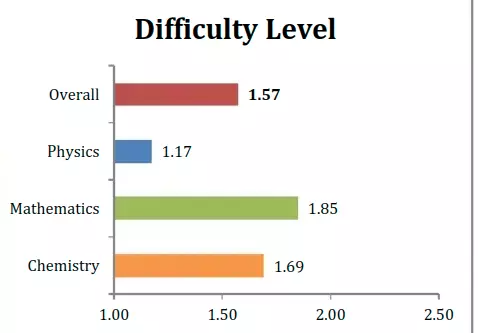
Overall Paper Level: The paper was moderate in difficulty and comparatively easier than other April shifts and slightly tougher than the January session. The order of difficulty was: Chemistry > Maths > Physics.
Physics – Easiest Section: Physics was easy to moderate and primarily formula-based, with conceptual clarity being sufficient to score well. Topics like Modern Physics, Ray Optics, Rotational Motion, Semiconductor, and Electrostatics dominated.
Mathematics – Manageable but Slightly Tricky: Math was easier than Chemistry but longer than Physics. It had moderately tricky questions from Conic Sections, Vector 3D, Matrices & Determinants, Binomial Theorem, etc.
Chemistry – Toughest Section: Chemistry was moderate to hard and lengthy. It required strong conceptual understanding, especially in Coordination Compounds, Aldol Condensation, Equilibrium, and Chemical Bonding.
Class-wise Weightage: A greater number of questions were based on Class 12 topics, which was consistent across all subjects.
Numerical vs. Theory: Physics had a higher numerical presence, while Chemistry leaned more on theory. Mathematics had a balanced mix but demanded speed and accuracy.
Comparison to Previous Shifts: This shift was easier than April 2nd–4th and 7th and comparable or slightly easier than the January session, making it a scoring opportunity for well-prepared students.
Question Distribution: As per the NTA pattern, each subject had 20 MCQs and 5 Numerical Value Questions, maintaining consistency with the expected format.
Tentative Percentile vs Score Mapping: Due to the moderate nature of the paper, a score of 192–198 could fetch ~99.5 percentile, and 175–183 could fetch ~99.1 percentile.
Best Strategy: Students who prioritized Physics for quick scoring, managed time efficiently in Chemistry, and kept calm through lengthy Math had a higher chance of scoring well in this shift.
Overall difficulty was moderate, with Maths being the toughest, followed by Chemistry and then Physics.
Physics was mostly formula-based and relatively easy, covering topics like Units & Dimensions, Projectile Motion, and Semiconductors.
Mathematics was lengthy and difficult, with time-consuming problems from Conic Sections, Vector 3D, and Sequence & Series.
Chemistry had assertion-reason and statement-based questions, making it slightly trickier despite moderate-level content.
Most questions were from Class 12 syllabus, especially in Physics and Chemistry.
Physics offered scoring potential, helping students save time for tougher sections.
Organic and Physical Chemistry had more weightage than Inorganic in this shift.
Students needed good time management due to the challenging and lengthy nature of the Maths section.
Overall paper was of moderate difficulty, with Chemistry being the toughest, followed by Physics and then Maths.
Chemistry was lengthy and theory-heavy, with a strong focus on Physical Chemistry and topics like Mole Concept, Coordination Compounds, and Biomolecules.
Physics was conceptual and application-based, with key questions from Modern Physics, Ray Optics, and Semiconductors.
Mathematics was calculation-intensive and time-consuming, featuring major questions from Conic Sections, Vector 3D, and Determinants.
Class 12 topics dominated the paper, with higher weightage compared to Class 11.
Physics was the most balanced section, offering a fair mix of easy and moderate-level questions.
Maths required strong time management, as many questions were lengthy despite being conceptually straightforward.
Chemistry was tougher than previous sessions, including both January 2025 and JEE Main 2024 papers.
The JEE Main 2025 April 4th morning shift exam was of overall moderate difficulty.
The JEE Main 2025 4th April morning shift paper was moderate compared to the January 2025 session.
The Mathematics section was somewhat tricky and lengthy, while Physics and Chemistry were manageable. However, the Chemistry section included a notable number of questions based on Physics concepts.
The overall paper level was moderate compared to the morning shift.
Overall, the paper was moderate with respect to the last year and the January shift 2025.
Subject-wise difficulty (from highest to lowest):
? Mathematics > Physics > Chemistry
The class 12th Question was more in the class 11th according to the morning shift.
The JEE Main 2025 April 4th evening shift exam was of overall moderate difficulty.
The JEE Main 2025 4th April evening shift paper was moderate compared to the January 2025 session.
The Mathematics section was somewhat tricky and lengthy, while Physics and Chemistry were manageable. However, Chemistry was slightly more challenging compared to Physics.
The overall paper level was easy compared to the last year of JEE Main.
Subject-wise difficulty (from highest to lowest):
? Maths > chemistry> physics
The questions from Classes 11 and 12 were almost equally distributed.
In today's morning shift, 1–2 questions were out of the syllabus, but there were none in the evening shift.
The JEE Main 2025 April 3rd evening shift paper was of moderate difficulty, slightly tougher than the morning shift but comparable to previous sessions. Subject-wise, Chemistry was the most challenging, followed by Physics, while Mathematics was the easiest. The paper had a higher weightage of Class 12 topics, with some assertion-reason questions included. Physics was rated easy to moderate, with notable questions from Wave Optics, Modern Physics, and Units & Dimensions. Mathematics, though easy, was lengthy and covered topics like Vectors & 3D, Conic Sections, and Definite Integrals. Chemistry was the toughest and time-consuming, with a significant number of assertion-reason and numerical-based questions, covering topics like Titration, Biomolecules, and Polymers. Overall, the moderate difficulty level suggests that the percentile cutoffs may be slightly lower than those of easier papers.
The JEE Main 2025 April 3rd morning shift exam was overall easier compared to both the January session and the April 2nd shifts, with an easy to moderate difficulty level. Mathematics remained the most challenging section, followed by Physics, while Chemistry was the easiest. The paper had a higher weightage of Class 12 questions than Class 11, with a few assertion-reason type questions appearing. In Physics, topics like Modern Physics, Ray Optics, Current Electricity, and Rotational Motion were prominently featured. The Mathematics section, though relatively easier than previous shifts, remained lengthy, covering topics such as Conic Sections, Vectors & 3D, Integration, and Matrices. Chemistry was dominated by Organic Chemistry, with several equation-based questions and a higher emphasis on topics like IUPAC nomenclature, Ozonolysis, and Physical Chemistry. Compared to the 2025 January session and the JEE Main 2024, this paper was more accessible, making it a scoring opportunity for well-prepared students. However, the final difficulty assessment may vary once the official paper is released by the NTA.
The JEE Main 2025 April session evening shift paper was slightly more challenging than the January 2025 session, with an overall difficulty level comparable to the morning shift of the same session. However, it was notably tougher than last year’s JEE Main. Subject-wise, Chemistry was the most difficult, followed by Mathematics and Physics. The Chemistry section ranged from moderate to tough, as the questions did not follow predictable patterns and included a few assertion and reason-type questions. Additionally, the paper had a greater proportion of Class 12 questions compared to Class 11. While Chemistry was relatively more difficult than Mathematics and Physics, the latter two subjects featured tricky questions, making the overall paper quite challenging for students.
Physics-
Maths
Chemistry
Here we provide the detail analysis pdf
| JEE Main 2025 Paper : Memory Based Questions and Analysis of 22nd January (Shift-1) | Download now |
| JEE Main 2025 Paper : Memory Based Questions and Analysis of 22nd January (Shift-2) | Download now |
| JEE Main 2025 Paper : Memory Based Questions and Analysis of 23rd January (Shift-1) | Download now |
| JEE Main 2025 Paper : Memory Based Questions and Analysis of 23rd January (Shift-2) | Download now |
| JEE Main 2025 Paper : Memory Based Questions and Analysis of 24th January (Shift-1) | Download now |
| JEE Main 2025 Paper : Memory Based Questions and Analysis of 24th January (Shift-2) | Download now |
| JEE Main 2025 Paper : Memory Based Questions and Analysis of 28th January (Shift-1) | Download now |
| JEE Main 2025 Paper : Memory Based Questions and Analysis of 28th January (Shift-2) | Download now |
| JEE Main 2025 Paper : Memory Based Questions and Analysis of 29th January (Shift-1) | Download now |
| JEE Main 2025 Paper : Memory Based Questions and Analysis of 29th January (Shift-2) | Download now |
| JEE Main 2025 Paper : Memory Based Questions and Analysis of 30th January (B.arch) | Download now |
Previous Years’ JEE Main Analysis
Here, we have compiled the JEE Mains exam analysis of previous years. Candidates can check the day-wise NTA JEE Main analysis of both sessions of the exam for 2025, 2024, 2023, 2022, 2021, 2020, and 2019 here. JEE Main analysis includes student reviews, memory based questions, topics asked in the exam, and much more. Candidates can also check the detailed previous year JEE Mains 2023 analysis by various coaching institutes here.
The JEE Main 2025 Shift 1 Question Paper with Solutions is available on this page for the JEE Main 2025 January 22 and 23 Shift 1 and 2 as the exam is done now. These resources will be extremely beneficial for candidates taking the exam in subsequent shifts, as they can refer to the question paper and solutions for practice and analysis.
Candidates appearing for the JEE Mains exam 2024 can check the day-wise analysis and percentile of the JEE exam below.
| Exam Date | Analysis |
|---|---|
| April 4, 2024 | JEE Main 2024 April 4 Analysis (Shift 1 & 2) |
| April 5, 2024 | JEE Main 2024 April 5 Analysis (Shift 1 & 2) |
| April 6, 2024 | JEE Main 2024 April 6 Analysis (Shift 1 & 2) |
| April 8, 2024 | JEE Main 2024 April 8 Analysis (Shift 1 & 2) |
| April 9, 2024 | JEE Main 2024 April 9 Analysis (Shift 1 & 2) |
| April 12, 2024 | JEE Main 2024 April 12 Analysis (Shift 1 & 2) |
Candidates appearing for the entrance exam can check the JEE Mains exam analysis for April session here.
JEE Main 2024 April 9 Shift 1 Analysis: Maths, Physics moderate, Chemistry easy
Mathematics – Moderate. Questions were asked from all chapters with emphasis on Chapters of Calculus & Algebra. Questions asked from Matrices -2 ques, 3 D Geometry & Vectors-4 ques, Permutation & Combination, Probability-2 ques, Complex Numbers, Statistics, Progressions, Quadratic Equations, Composite Function, Limits, Continuity & Differentiability, Application of Derivative, Definite Integrals, Differential Equations, Area, Straight Line, Circle, Ellipse amongst Conic Sections with mixed concept questions. The Numerical Section had lengthy calculations from chapters of Calculus & Algebra. A few questions were reported as Lengthy & Tricky.
Physics – Easy to Moderate . Questions were asked from Kinematics, SHM, Work, Power & Energy, Gravitation, Laws of Motion, Rotational Motion, EM Waves, Magnetism, Wave Optics, Current Electricity, Electromagnetic Induction, AC Circuits, Modern Physics, , Atoms & Nuclei. Few fact-based questions from class XII chapters of NCERT were also asked. Numerical based questions were Lengthy and Easy
Chemistry – Easy. Organic & Inorganic Chemistry were given more weightage compared to Physical Chemistry. Questions asked from Coordination Compounds, p-block elements, Chemical Bonding, d & f Block elements, Stoichiometry, Chemical Kinetics, General Organic Chemistry, Alcohol, Ether & Phenol, Biomolecules, Amines, Carboxylic Acids, with mixed concept questions. Some fact-based questions from NCERT were asked.
In terms of order of Difficulty –Mathematics was Moderate while Chemistry were Easy . Overall, this paper was of Moderate Level as per students.
NTA has followed the same difficulty level for April 8, 2024 (Evening Shift) paper as it was for April 8, 2024 (Morning Shift). In this paper, Physics was the easiest followed by Chemistry. Mathematics questions were the lengthiest which makes it the most difficult part among the three. A detailed subject wise analysis is given below.
Chemistry: Questions in chemistry were mostly straightforward and but few confusing questions were asked from Organic chemistry. Most of the questions were theoretical in nature. Questions from prominent chapters like Electrochemistry, Biomolecules, Equilibrium and Organic chemistry-Some basic principles and techniques were asked. Almost all the chapters were equally covered in the paper. Physical chemistry had a good portion in this paper. NCERT was the key to solving chemistry questions in the paper.
Physics: A good number of students shared that Physics part was the easiest in the paper. Questions from Mechanics were mainly dominant in the paper. Apart from mechanics, Waves, Magnetism, Modern Physics were duly represented in the paper. Solving a good number of mock tests and Archive Tests would prove to be an effective strategy. In comparison to morning shift paper, Physics questions were relatively easy and most of the questions were asked from XI class syllabus.
Mathematics: Mathematics paper was lengthy and difficult based on students’ feedback. Questions from Calculus were less in this shift. Vectors & 3D was dominant in the paper. Questions were also asked from Matrices and Determinants, Quadratic equations, Coordinate geometry, Binomial theorem in the paper. The quality of the questions is almost similar to the morning shift paper. In comparison to 11th and 12th class portion, most of the questions were asked from 12th syllabus only.
Overall, average students found Mathematics way too lengthy. Overall difficulty level of the paper can be said to moderate. The difficulty level wise order according to a large section of students is
Mathematics > Chemistry > Physics
Mathematics – Easy to Moderate. Questions were asked from all chapters with emphasis on Chapters of Calculus & Coordinate Geometry. Questions asked from Matrices -2 ques, 3 D Geometry, Vectors-2 ques, Permutation & Combination, Probability-2 ques, Complex Numbers, Statistics, Progressions, Quadratic Equations, Function-3 ques, Limits, Continuity & Differentiability, Application of Derivative, Definite Integrals, Differential Equations, Area, Straight Line, Circle , Hyperbola amongst Conic Sections with mixed concept questions. The Numerical Section had lengthy calculations from chapters of Calculus & Algebra. A few questions were reported as Lengthy & Easy.
Physics – Easy . Questions were asked from Kinematics, Centre of Mass, Laws of Motion, Magnetism, Optics, Capacitance, Electromagnetic Induction, AC Circuits, Modern Physics, Work Power & Energy, Heat & Thermodynamics, Atoms & Nuclei. Numerical based questions were Lengthy and Easy. Few fact-based questions from class XII chapters of NCERT were also asked.
Chemistry – Easy. Organic Chemistry were given more weightage compared to Physical &Inorganic Chemistry. Questions asked from Periodic Table, Coordination Compounds, p-block elements, Chemical Bonding, d & f Block elements, Stoichiometry, Chemical Kinetics, Thermodynamics, General Organic Chemistry- 4 questions, Alcohol, Ether & Phenol, Biomolecules, Amines, Carboxylic Acids, with mixed concept questions. Some fact-based questions from NCERT were asked.
In terms of order of Difficulty –Mathematics was Easy to Moderate while Physics & Chemistry were Easy . Overall, this paper was Easier than earlier sessions as per students.
Mathematics – Moderate. Questions were asked from all chapters with emphasis on Chapters of Algebra & Calculus. Questions asked from Matrices &Determinants, 3-D Geometry, Vectors, Permutation & Combination, Probability, Complex Numbers, Statistics, Progressions, Quadratic Equations, Function, Limits, Continuity & Differentiability, Application of Derivative, Definite Integrals, Differential Equations, Area, Conic Sections with mixed concept questions. The Numerical Section had lengthy calculations from chapters of Calculus & Coordinate Geometry. A few questions were reported as Lengthy &Tricky.
Physics – Easy. Questions were asked about Kinematics, Laws of Motion, Gravitation, Rotational Motion, Magnetism, Ray Optics, Current Electricity, Electromagnetic Induction, AC Circuits, Modern Physics, Work Power & Energy, Heat & Thermodynamics. Numerical based questions were Lengthy but Easy. A few fact-based questions from class XII chapters of NCERT were also asked.
Chemistry – Easy to Moderate. Organic Chemistry was given more weightage compared to Inorganic & Physical Chemistry. Questions asked from Periodic Table, Chemical Bonding, d & f Block elements, Coordination Compounds, p-block elements, Chemical Kinetics, Thermodynamics, Stoichiometry, General Organic Chemistry, Alcohol, Ether & Phenol, Biomolecules, Amines, Aryl & Alkyl halides with mixed concept questions. Some fact-based questions from NCERT were asked.
In terms of order of Difficulty – Mathematics was Moderate while Physics was Easy. Overall, this paper was of Moderate level as per students.
Mathematics – Moderately Tough. Weightage was given to chapters of Algebra and Calculus. Questions from Circle, Parabola & Hyperbola with mixed concept questions in Coordinate Geometry. In Calculus, questions asked from Limits, Application of Derivatives, Indefinite Integral, Differential Equations, Area. In Algebra, questions asked from Complex Number, Progressions, Permutation & Combination, Binomial Theorem, Statistics, Matrices & Determinants- 2 ques Probability, Vector-2 ques & 3D Geometry- 2 ques. Few MCQs & numerical based questions had lengthy calculations and were Tricky.
Physics – Easy. Questions asked from almost all chapters. Some good questions from chapters of Kinematics, Laws of Motion, Gravitation, SHM & waves, Heat & Thermodynamics, Rotational Motion, Wave Optics, Current Electricity, Electromagnetic Induction, Modern Physics, Atoms & Nuclei. Numerical based questions were Easy. Physics was balanced and Easy.
Chemistry – Easy to Moderate. Inorganic & Organic Chemistry had more weightage as compared to Physical Chemistry. Questions asked from GOC, Alcohols, Ether & Phenols, Amines, Aldehydes & Ketones, Biomolecules, Aryl & Alkyl Halides mixed concept questions, Physical Chemistry had questions from Chemical Kinetics, Electrochemistry & Chemical Equilibrium. Inorganic Chemistry had questions from Coordination Compounds, d & f -block elements & Chemical Bonding. Some NCERT fact-based questions asked which made it Easy for students.
In terms of order of Difficulty – Overall, this paper was of Moderately Tough level as per students in all three subjects. The level was better than the January Session as per students.
NTA has changed the difficulty level of Shift-2 as compared to the one asked in shift-1. The evening shift (shift-2) paper was a bit more difficult as compared to the one asked in Shift-1. The JEE MAIN paper of April 5, 2024 (Evening Shift) was of Moderate level. In this paper, Physics was the easiest among the three whereas Chemistry was on the moderate side. In this paper, Mathematics was both tricky and lengthy. A detailed subject wise analysis is given below.
Chemistry: As compared to Phase-I of JEE Main, here a greater number of questions were asked from Physical chemistry. Most of the questions were from the Inorganic Chemistry part. 3-4 questions were asked from Electrochemistry chapter. Questions from prominent chapters like d-Block Elements, Coordination compounds, Biomolecules, p-block and Aldehyde, Ketone and Carboxylic acids were asked. Overall coverage of the chapters was uniform. Among 11th and 12th classes, a greater number of questions are asked from 12th class syllabus. The paper was by and large based on NCERT books. However, 4-5 confusing questions were there in the paper.
Physics: The physics part was very easy as mentioned by a good number of students. Current electricity questions were in good number in the paper. Questions from Modern Physics, Semiconductors, EMI, Electrostatistics, Units and Dimensions, Mechanics and Magnetism were there in the paper. Most of the questions were asked from the 12th class syllabus.
Mathematics: The mathematics paper was moderate to difficult level. A good number of questions were asked from Vectors, 3D and Calculus. Questions from Calculus part was not that tough while some good questions were there from Conic section. Complex number and Matrices and Determinants were there in the paper. Almost all the topics were covered. The main thing is questions were both lengthy and tricky which took a lot of time to solve.
In short, it was a challenging paper with Mathematics being the toughest among all. Most of the students found Mathematics difficult. The difficulty level-wise order according to a large section of students is
Mathematics > Chemistry > Physics
Mathematics – Moderately Tough. Questions were asked from all chapters with emphasis on Chapters of Calculus & Coordinate Geometry. Questions asked from Matrices &Determinants, 3 D Geometry, Vectors, Permutation & Combination, Probability, Complex Numbers, Statistics, Progressions, Quadratic Equations, Function, Limits, Continuity & Differentiability, Application of Derivative, Definite Integrals, Differential Equations, Area, Straight Line, Circle , Conic Sections with mixed concept questions. The Numerical Section had lengthy calculations from chapters of Calculus & Coordinate Geometry. A few questions were reported as Lengthy &Tricky. Few students reported Errors in 2 questions with insufficient data.
Physics – Easy . Questions were asked from Kinematics, Gravitation- 2 ques, Rotational Motion-2 ques, Laws of Motion, Magnetism, Ray Optics, Capacitance, Electromagnetic Induction, AC Circuits, Modern Physics, Work Power & Energy, Heat & Thermodynamics. Numerical based questions were Lengthy but Easy. Few fact-based questions from class XII chapters of NCERT were also asked.
Chemistry – Easy. Organic & Inorganic Chemistry were given more weightage compared to Physical Chemistry. Questions asked from Periodic Table, Chemical Bonding, d & f Block elements, Electrochemistry, Mole Concept , Coordination Compounds, p-block elements, General Organic Chemistry- 4 questions, Alcohol, Ether & Phenol, Biomolecules, Amines, , Aryl & Alkyl halides with mixed concept questions. Some fact-based questions from NCERT were asked.
In terms of order of Difficulty –Mathematics was Moderately Tough while Physics & Chemistry were Easy . Overall, this paper was of Moderate level as per students.
NTA has increased the difficulty level of April 5, 2024 (Morning Shift) paper in comparison to the one conducted on 4th April 2024 (Morning Shift). In this paper, Physics was easiest of the three whereas Chemistry was moderate, and Mathematics had tricky and lengthy questions and can be considered to be moderate to difficult by many students. A detailed subject wise analysis is given below.
Chemistry - Most of the questions were theoretical in nature with maximum number of questions asked from Organic and Inorganic Chemistry. Questions from prominent chapters like Hydrocarbons, Electrochemistry, Equilibrium, and Alcohol, Phenol and Ethers, p-block were asked. Overall coverage of the chapters was uniform. Almost all the questions are more or less related to or asked from NCERT only.
Physics - According to the feedback received from students, Physics part was easy and straightforward. Questions from Thermodynamics, Magnetism, Current Electricity, Modern Physics and Electrostatistics were duly represented in the paper. Most of the questions were asked from the 12th class syllabus. Solving a good number of mock tests would prove to be an effective strategy. In comparison to Phase-I Physics papers, Physics questions are on the same side.
Mathematics- Mathematics paper was moderate to difficult based on students’ feedback. Questions from Calculus were dominant followed by Vectors & 3D, Matrices and Determinants. Questions were also asked from Quadratic Equations and Binomial Theorem in the paper. Almost all the topics were covered. The quality of the questions was good and the paper was a bit lengthy because of the Maths part. In comparison to 11th and 12th class portion, most of the questions were asked from 12th syllabus only.
Overall, average students found Mathematics difficult, and the overall difficulty level of the paper can be said to moderate to difficult. The difficulty level wise order according to a large section of students is
Mathematics > Chemistry > Physics
NTA has kept the difficulty level almost same as that of Shift-1. The evening shift (shift-2) paper was slightly The JEE MAIN paper of April 4, 2024 (Evening Shift) was of Easy to Moderate level. In this paper, Physics were on the easy to moderate side whereas Chemistry was easiest among the three. Maths was not that tricky but was a bit lengthy. A detailed subject wise analysis is given below.
Chemistry - The paper was by and large based on NCERT books. There was an almost equal distribution of all the three parts of chemistry i.e. Physical, Organic and Inorganic. Questions were mainly straightforward. Questions from prominent chapters like Equilibrium, Bonding, Alcohol, Phenol and Ethers, Electrochemistry, Chemical Kinetics and Alkyl and Aryl halides were asked. Overall coverage of the chapters was uniform.
Physics - The physics part was of easy to moderate level and questions were mostly straightforward. Questions from Modern Physics, Work Power and Energy, Thermodynamics, Current Electricity, Modern Physics and Electrostatics were there in the paper. Most of the questions were asked from the 12th class syllabus in. If somebody has gone through the PYQs of the previous year papers, he/she will have an upper hand in the paper.
Mathematics - Mathematics paper was moderate to difficult just like the Shift-1 paper. Questions from Algebra and Calculus were dominant in the paper. A good number of questions were asked from Vectors and 3D. Questions from Binomial Theorem, Sequence and Series, and Statistics were there in the paper. Almost all the topics were covered.
In short, it was a balanced paper which can be solved in the given time. Most of the students found Mathematics a bit lengthy. The difficulty level wise order according to a large section of students is Mathematics > Physics > Chemistry
NTA has followed the same level of difficulty of Phase-2 as compared to the one asked in Phase-1. The JEE MAIN paper of April 4, 2024 (Morning Shift) was of Moderate level due to the lengthy questions in Maths. In this paper, Physics was on the easier side whereas Chemistry was also on the easy to moderate side. In this paper, Mathematics was on moderate to difficult side with lengthy and calculative questions. A detailed subject wise analysis is given below.
Chemistry
The chemistry paper was more or less balanced in terms of difficulty level as well as the number of questions from the three sections. Questions from prominent chapters like Chemical Kinetics, Alcohol, Phenol and Ethers, Electrochemistry, and Thermodynamics were asked. P-Block chemistry was dominant in the paper. Overall coverage of the chapters was uniform. Among the 11th and 12th classes, more number of questions were asked from 12th class syllabus. The paper was by and large based on NCERT books.
Physics
The physics part was on the easier side and questions from almost all the chapters were asked. Questions from Modern Physics, Mechanics, Electrostatics and Current electricity were there in the paper. The coverage of the questions was almost equal with more number of questions asked from the 12th class.
Mathematics
The mathematics paper was moderate to difficult level. A good number of questions were asked from Calculus. Integer-type questions were lengthy in the paper. Almost all the topics were covered. The main thing is questions were both lengthy and calculative which took a lot of time to solve.
In short, it was a decent paper with Mathematics being the toughest among all due to the lengthy part. The difficulty level-wise order according to a large section of students is
Mathematics > Chemistry > Physics
| Exam Date | Analysis |
| January 27, 2024 | JEE Main 2024 January 27 Analysis (Shift 1 & 2) |
| January 29, 2024 | JEE Main 2024 January 29 Analysis (Shift 1 & 2) |
| January 30, 2024 | JEE Main 30 Jan Analysis (Shift 1 & 2) |
Here is the JEE Main January session detailed analysis by various coaching centres.
| Date & Shift | Mathematics | Physics | Chemistry | Overall |
| (Difficulty Level Out of 3) | (Difficulty Level Out of 3) | (Difficulty Level Out of 3) | (Difficulty Level Out of 3) | |
| 27th Jan Shift 1 | 1.8 | 1.43 | 1.7 | 1.64 |
| 27th Jan Shift 2 | 2.1 | 1.46 | 1.9 | 1.82 |
| 29th Jan Shift 1 | 2 | 1.42 | 1.8 | 1.74 |
| 29th Jan Shift 2 | 1.85 | 1.4 | 1.85 | 1.7 |
| 30th Jan Shift 1 | 1.9 | 1.6 | 1.6 | 1.7 |
| 30th Jan Shift 2 | 2.3 | 1.7 | 1.9 | 1.96 |
| 31th Jan Shift 1 | 2.4 | 1.6 | 1.95 | 1.98 |
| 31th Jan Shift 2 | 2.25 | 1.7 | 1.85 | 1.93 |
| 1st Feb Shift 1 | 1.9 | 1.8 | 1.8 | 1.83 |
| 1st Feb Shift 2 | 2.2 | 1.6 | 1.95 | 1.91 |
Chemistry - Very few questions in this shift were asked from Physical chemistry. Most of the questions were from Organic Chemistry and Inorganic Chemistry. Questions from prominent chapters like Hydrocarbons, Coordinate Bonding, coordination compounds and d-block were asked. Overall coverage of the chapters was uniform. Among the 11th and 12th classes, more questions are asked from the 12th class syllabus. The paper was by and large based on NCERT books.
Physics - The physics part was of moderate level as some good questions were there. Questions from Modern Physics, Mechanics, Electromagnetism and Current electricity were there in the paper. Current electricity was prominent in the paper. The coverage of the questions was almost equal in the 11th and 12th classes.
Mathematics - The mathematics paper was moderate to difficult level. A good number of questions were asked from Vectors and 3D. Integer-type questions were lengthy in the paper. Almost all the topics were covered. The main thing is questions were both lengthy and tricky which took a lot of time to solve.
In short, it was a challenging paper with Mathematics being the toughest among all. The difficulty level-wise order according to a large section of students is
Mathematics > Chemistry > Physics
Mathematics – Moderate. Questions were asked from all chapters with emphasis on Chapters of Calculus & Algebra. More than one question was asked from Vectors, 3 D Geometry, Differential Equations & Conic Sections. In Calculus, questions asked from Continuity & Differentiability, Area, Differential Equations. In Algebra- Probability, Binomial Theorem, Complex Numbers, Permutation & Combination, Statistics, Progressions, Matrices & Determinants. In Coordinate Geometry, questions are asked from Circle, Ellipse & Hyperbola with mixed concepts. The Numerical Section had lengthy calculations. A few questions were reported as Lengthy & Tricky.
Physics – Easy to Moderate. Questions asked from Kinematics, Laws of Motion, Work Power & Energy, Gravitation, Circular Motion, Heat & Thermodynamics, Magnetism-2 questions, Wave Optics, Capacitance, Current Electricity, Modern Physics, Semiconductors. Both MCQs & Numerical based questions were Lengthy. Few fact-based questions from class XII chapters of NCERT were also asked. Students felt Physics section was Balanced as per Coverage of Chapters.
Chemistry – Easy. Organic & Inorganic Chemistry was given more weightage compared to Physical Chemistry. Questions asked from Electrochemistry, Thermodynamics, Atomic Structure, Chemical Bonding- 2 to 3 questions, General Organic Chemistry, Alcohol, Ether & Phenol, Amines, Aryl & Alkyl halides mixed concept type questions, Coordination Compounds- 2 to 3 questions, Periodic Table. Some questions were directly asked from NCERT Textbook, which made this section Easy.
In terms of order of Difficulty –Mathematics was Moderate while Chemistry was Easy . Overall, this paper was of Easy to Moderate level as per students.
Chemistry - The paper was by and large based on NCERT books. All the chapters were duly represented in the paper. A few questions were based on memory-based data and were confusing. Questions from prominent chapters like Electrochemistry, Nomenclature of organic compounds, p-block, d-block and Thermodynamics were asked. Overall coverage of the chapters was uniform.
Physics - According to a good number of students, the Physics part was of easy level. Questions from Mechanics, Current electricity was duly represented in the paper. Most of the questions were asked from the 11th class syllabus. PYQ were also there in the paper.
Mathematics- Mathematics paper was moderate to difficult based on students’ feedback. The questions were not that difficult but a bit calculative. Questions from Probability, Matrices, Vectors and 3D were there in the paper. Coordinate Geometry and calculus were dominant in the paper. Almost all the topics were covered. Again, practice through mock tests holds the key. Overall, it was a balanced paper which can be solved in the stipulated time. Average students found Mathematics a bit lengthy. The difficulty level-wise order according to a large section of students is
Mathematics > Chemistry > Physics
Mathematics –Moderate. Weightage was given to chapters of Co-ordinate Geometry & Calculus. Co-ordinate Geometry had questions from all chapters- Straight Lines, Circle, Parabola, Ellipse & Hyperbola. In Algebra, questions asked from Matrices & Determinants, Probability, Complex Numbers, Progressions, Permutation & Combination- 2 questions, Binomial Theorem, Vector, 3D Geometry. In Calculus, questions asked from Set, Relation & Functions- 02 ques, Limits, Continuity, Differential Equations, Definite Integral. Few MCQs & numerical based questions had lengthy calculations & Tricky.
Physics – Easy. Questions were asked in almost all chapters. Weightage was given to Current Electricity & Magnetism. Some good questions from chapters of Kinematics, Laws of Motion, Work Power & Energy, Heat & Thermodynamics, Sound & waves, Gravitation, Electrostatics, Optics, Modern Physics, and Semiconductors. Numerical based questions were Easy. Physics had more questions from Class XII.
Chemistry - Easy. Organic Chemistry had around 10 questions. Questions asked from GOC, Alcohols, Ether & Phenols, Amines, Aldehydes & Ketones, Aryl & Alkyl Halides mixed concept questions, Biomolecules. Physical Chemistry had questions from Mole Concepts, Thermodynamics, Chemical Kinetics & Ionic Equilibrium. Inorganic Chemistry had questions about Coordination Compounds, Chemical Bonding & Periodicity. Some NCERT fact-based questions were asked. This was an Easy Section.
Order of Difficulty – Mathematics was Moderate while Physics & Chemistry were Easy. Overall, this paper was of Moderate level as per students in all three subjects.
NTA concluded the JEE Main exam January 31 shift 2 at 6 PM. The exam was held for three hours. JEE exam centre gate closed at 2:30 PM. As per the candidates, the JEE Main 31 Jan shift 2 exam was moderate. Chemistry was easy compared to Physics and Mathematics. The paper was balanced. No question was asked from JEE Main deleted syllabus.
NTA has increased the difficulty level of the January 31, 2024 (Morning Shift) paper in comparison to the one conducted on 30th January 2024 (Morning Shift). In this paper, Chemistry was somewhat of the easy to moderate level with some confusing questions in Inorganic Chemistry whereas Mathematics had tricky and lengthy questions and can be considered to be moderate to difficult level by many students. A detailed subject-wise analysis is given below.
Chemistry -Most of the questions were theoretical with the maximum number of questions asked from Organic and Inorganic Chemistry. Physical chemistry was asked very less in the exam. In Physical Chemistry, questions were asked from chapters like Chemical Kinetics and Structure of Atom. Questions from prominent Organic and Inorganic chapters like Hydrocarbons, Alcohol, Phenol and Ethers, General Organic chemistry, d-block elements and Chemical Bonding were asked. Almost all the questions are more or less related to or asked from NCERT only.
Physics - According to the feedback received from a good number of students, the Physics part was of moderate level. Questions from Gravitation, Newton’s Laws of Motion, Kinematics, Current Electricity, Modern Physics and Magnetism were duly represented in the paper. Most of the questions were asked from the 12th class syllabus. Solving a good number of mock tests would prove to be an effective strategy.
Mathematics -The mathematics paper was of a difficult level based on students’ feedback. Questions from Calculus were dominant in the paper. Questions were also asked from Probability, Vectors, Determinants and Quadratic Equations were there in the paper. Almost all the topics were covered. The quality of the questions was good and the paper was a bit lengthy because of the Maths part.
Overall, average students found Mathematics difficult and Chemistry confusing because of Inorganic chemistry. Overall difficulty level of the paper can be said to be moderate to difficult. The difficulty level-wise order according to a large section of students is
Mathematics > Chemistry > Physics
National Testing Agency has concluded the JEE Main January 31 shiddt 1 exam. Students sharing their reactions have stated that the difficulty level of the exam is moderate. Chemistry was the easiest paper following Physic and Mathematics.
Maths - Lengthy & Difficult. Questions were based on differentiation, integration, limits, probability, Vector 3D.
Physics - Easy & formula based. The question was asked on the Lyman series, nuclear physics, ray optics, circular motion, and rotation.
Chemistry - Easy. Direct question from NCERT.
Overall Marks Distribution:
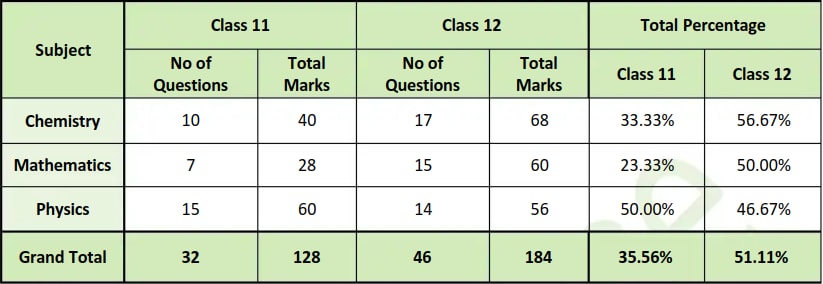
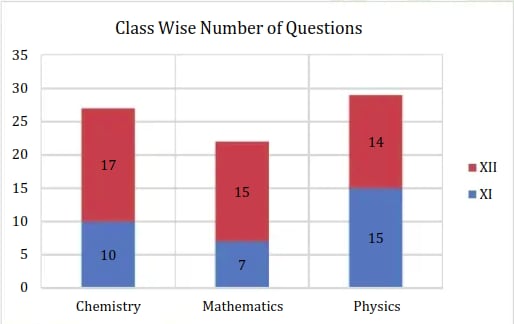
Subject Wise Difficulty Level:
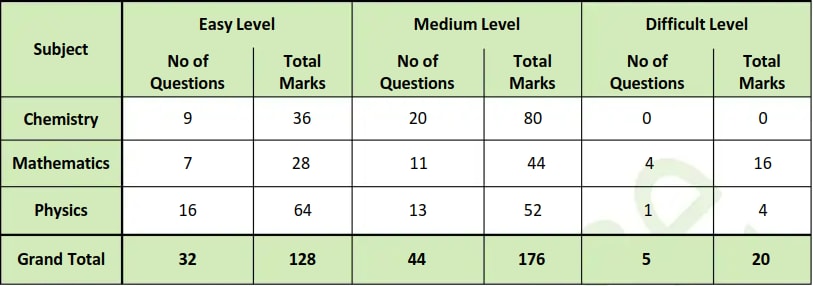
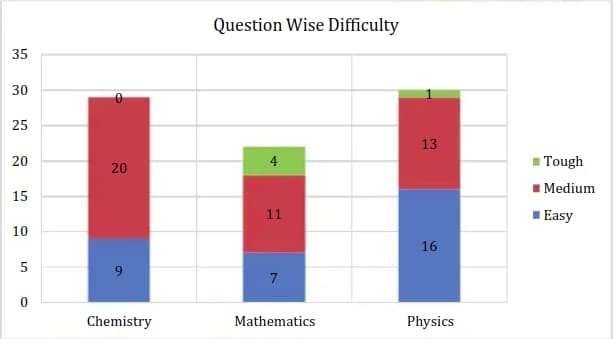
Overall Difficulty Level Analysis:
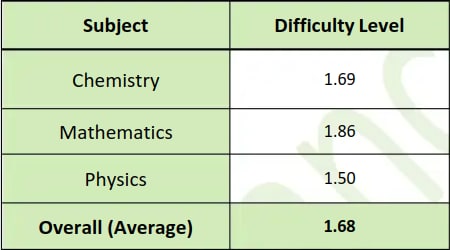
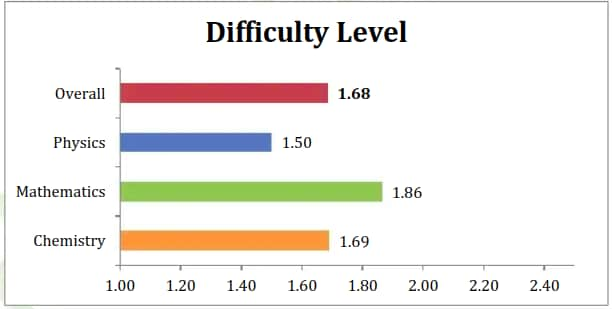
NTA has changed the difficulty level of Shift-2 as compared to the one asked in shift-1. The evening shift (shift-2) paper was a bit more difficult as compared to the one asked in Shift-1. The JEE MAIN paper of January 30, 2024 (Evening Shift) was of Moderate to difficult level. In this paper, Physics was on the easy to moderate side whereas Chemistry was on the moderate side. In this paper, Mathematics was both tricky and lengthy. A detailed subject-wise analysis is given below.
Chemistry - Very few questions in this shift were asked from Physical chemistry. Most of the questions were from the Organic Chemistry part. 2-3 questions were asked from p-block elements. Questions from prominent chapters like Hydrocarbons, Coordinate Bonding and Aldehyde, Ketone and Carboxylic acids were asked. Overall coverage of the chapters was uniform. Among 11th and 12th classes, more questions are asked from the 12th class syllabus. The paper was by and large based on NCERT books.
Physics - The physics part was of easy to moderate level as some good questions were there. Questions from Modern Physics, Mechanics, Electromagnetism and Current electricity were there in the paper. Most of the questions were asked from the 12th class syllabus.
Mathematics - The mathematics paper was moderate to difficult level. A good number of questions were asked from Vectors, 3D and Conic sections, Complex numbers and Matrices and Determinants. 11th-class questions were dominant in the paper. Almost all the topics were covered. The main thing is questions were both lengthy and tricky which took a lot of time to solve.
In short, it was a challenging paper with Mathematics being the toughest among all. Most of the students found Mathematics and Chemistry moderate to difficult. The difficulty level-wise order according to a large section of students is
Mathematics > Chemistry > Physics
National Testing Agency has concluded the JEE Main January 30 shift 2 exam. The duration of the test was three hours. As per the exam difficulty level was moderate. JEE paper was balanced. Below is a detailed JEE Main exam analysis.
NTA conducted the JEE Mains 2024 January 30 shift 1 from 9 AM to 12 PM. As per the candidates, the JEE Main 2024 January 30 shift 1 exam was of moderate difficulty level. Below is the section-wise analysis for the JEE Main exam January 30 shift 1.
Mathematics - This section had formula based questions. The paper was lengthy. Questions were asked on topics such as integration, sequential series, vector 3D and probability.
Chemistry - The Chemistry section was easy. Physical, organic and inorganic chemistry had equal weightage, numerical questions were asked from physical chemistry.
Physics - Candidates found this section moderately challenging. 2 -3 questions were asked from vector.
The JEE MAIN paper of January 30, 2024 (Morning Shift) was of Easy to Moderate level. In this paper, Chemistry and Physics were on the easy to moderate level whereas Mathematics can be considered to be on the moderate side in comparison to past shifts. A detailed subject-wise analysis is given below.
Chemistry - The paper was by and large based on NCERT books. Most of the questions were from Organic chemistry in the paper. A few questions were based on Physical chemistry. Questions from prominent chapters like Organic Chemistry Basic Principles and Techniques, d-block elements, p-block elements and Thermodynamics were asked. Around 5 to 6 Statement types of questions were asked in the paper. Overall coverage of the chapters was uniform.
Physics - According to a large number of students, the Physics part was of easy to moderate level. Questions from Mechanics, Current electricity, Thermodynamics and Semiconductors were there in the paper. Most of the questions were asked from the 12th class syllabus. PYQ were also there in the paper. Solving a good number of mock tests would prove to be an effective strategy.
Mathematics - Mathematics paper was the easiest of all the Mathematics papers conducted in this session based on students’ feedback. Questions from Calculus, Vectors and 3D, Coordinate Geometry and Probability were there in the paper. The questions were straightforward and not too tricky. Almost all the topics were covered. It was a paper where Mathematics can be completed in 1 hour to 1.1 hours.
Overall, it was an easy-to-moderate paper where only some confusing chemistry questions were there. Average students found Mathematics not that difficult. The difficulty level-wise order according to a large section of students is
Chemistry > Mathematics >Physics
FIITJEE experts have released the analysis for JEE Main on January 30, Shift 1. According to feedback from both FIITJEE experts and students, the overall difficulty level of the paper was considered to be moderate. Here is a comprehensive breakdown of the JEE Main 2024 January 30, Shift 1 exam.
Mathematics – The difficulty level was moderate, covering various chapters with a focus on Calculus and Algebra. Multiple questions were posed on Vectors, 3D Geometry, Matrices, Limits, and Differential Equations. Calculus questions delved into Continuity & Differentiability, Indefinite Integrals, Area, and Differential Equations. Algebra topics included Probability, Binomial Theorem, Complex Numbers, Statistics, Progressions, Quadratic Equations, and Matrices & Determinants. In Coordinate Geometry, questions were centered around Circle and Ellipse. The Numerical Section involved extensive calculations from both Calculus and Coordinate Geometry, with some questions noted for their lengthiness.
Physics – The difficulty level was moderate, with questions spanning Kinematics, Laws of Motion, Work Power & Energy, Gravitation, Heat & Thermodynamics, Magnetism, Optics (2 questions), Capacitance, Current Electricity, Modern Physics, and Semi-Conductors. Both Multiple-Choice Questions (MCQs) and Numerical-based questions were noted for their lengthiness. Additionally, a few fact-based questions from class XII chapters of NCERT were included, leading students to perceive a higher weightage for these chapters.
Chemistry – The difficulty level was deemed easy, with a noticeable emphasis on Organic and Physical Chemistry over Inorganic Chemistry. Topics covered included Ionic Equilibrium, Thermodynamics, Atomic Structure (with a match list type question), Chemical Bonding, Mole Concept, Chemical Kinetics, General Organic Chemistry (2 questions), IUPAC names, Alcohol, Ether & Phenol, Amines, Aryl & Alkyl halides, Coordination Compounds, d & f block elements, and Periodic Table. Some questions were directly drawn from the NCERT Textbook, contributing to the overall ease of this section.
Chemistry - The paper was by and large based on NCERT books. Most of the questions were from Organic chemistry in the paper. A few questions were based on Physical chemistry. Questions from prominent chapters like Organic Chemistry Basic Principles and Techniques, d-block elements, p-block elements and Thermodynamics were asked. Around 5 to 6 Statement types of questions were asked in the paper. Overall coverage of the chapters was uniform.
Physics - According to a large number of students, the Physics part was of easy to moderate level. Questions from Mechanics, Current electricity, Thermodynamics and Semiconductors were there in the paper. Most of the questions were asked from the 12th class syllabus. PYQ were also there in the paper. Solving a good number of mock tests would prove to be an effective strategy.
Mathematics - Mathematics paper was the easiest of all the Mathematics papers conducted in this session based on students’ feedback. Questions from Calculus, Vectors and 3D, Coordinate Geometry and Probability were there in the paper. The questions were straightforward and not too tricky. Almost all the topics were covered. It was a paper where Mathematics can be completed in 1 hour to 1.1 hours.
Overall, it was an easy-to-moderate paper where only some confusing chemistry questions were there. Average students found Mathematics not that difficult. The difficulty level-wise order according to a large section of students is
Chemistry > Mathematics >Physics
Overall Marks Distribution:
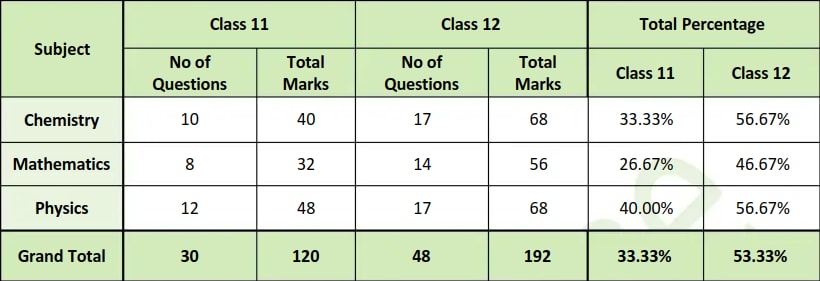
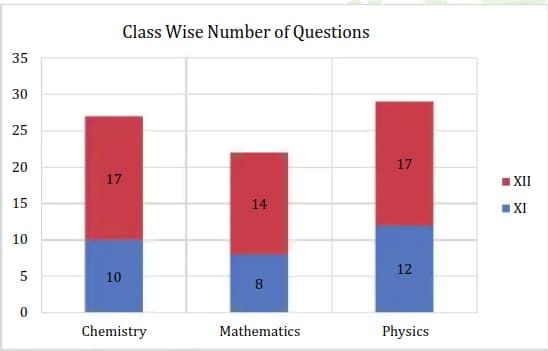
Subject Wise Difficulty Level:
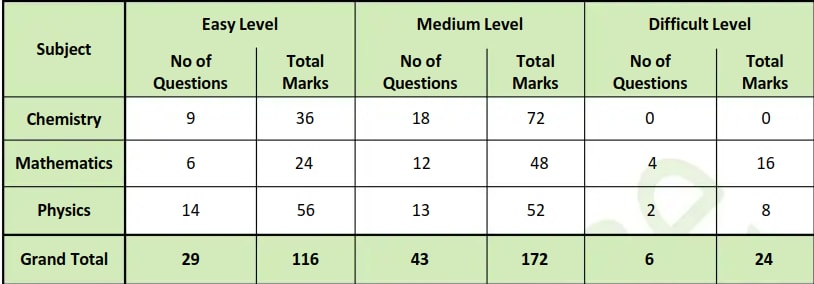
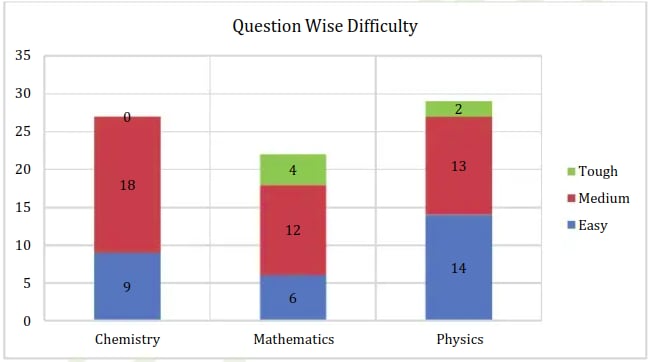
Overall Difficulty Level Analysis:
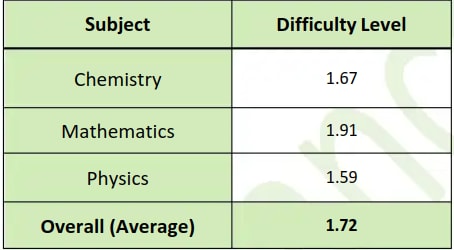
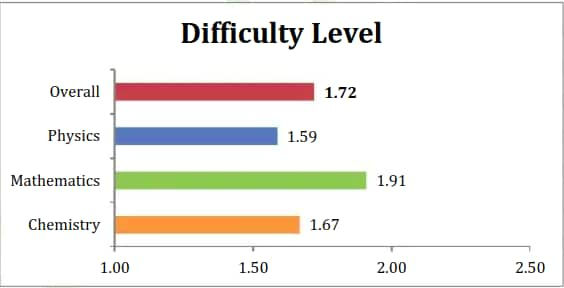
Overall Marks Distribution:
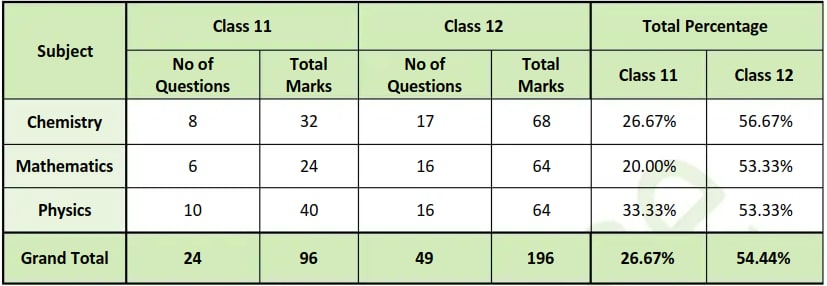
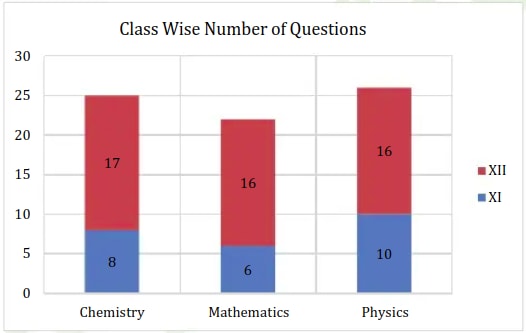
Subject Wise Difficulty Level:
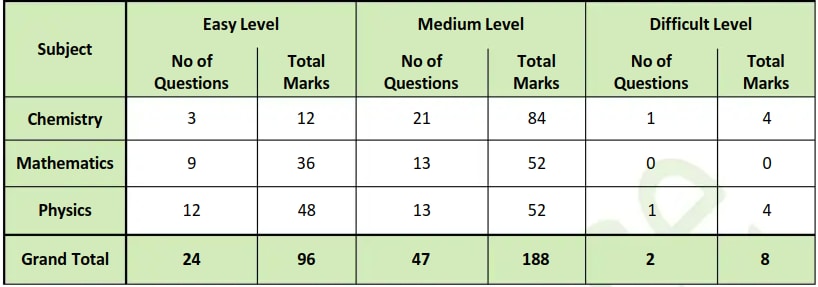
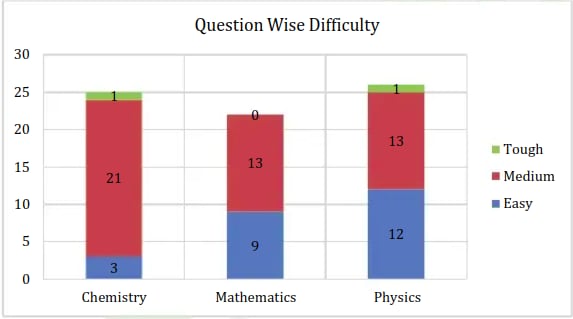
Overall Difficulty Level Analysis:
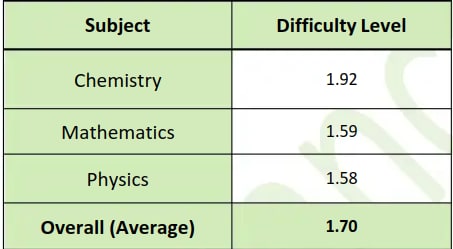
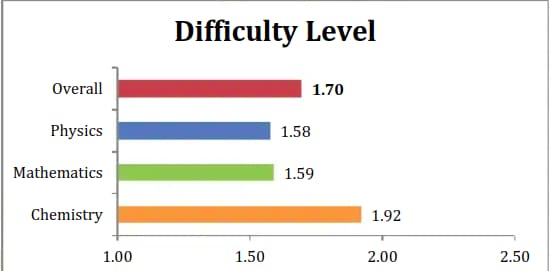
Mathematics – Moderate. Weightage was given to chapters of Algebra and Calculus. Questions from Straight Lines, Circle in Coordinate Geomtery. In Calculus, questions asked from Functions, Differential Equations, Application of Derivative, Definite Integral. In Algebra, questions asked from Complex Number, Progressions-2 ques, Permutation & Combination, Binomial Theorem, Statistics, Matrices & Determinants, Probability & Vector-2 ques, 3D Geometry. Few MCQs & numerical based questions had lengthy calculations and were Tricky.
Physics – Easy . Questions asked from almost all chapters. Some good questions from chapters of Kinematics, Laws of Motion, Work Power & Energy, Heat & Thermodynamics, Sound & waves, Rotational Motion, Optics, Current Electricity, Modern Physics, Atoms & Nuclei. Numerical based questions were Easy. Physics was balanced and Easy.
Chemistry - Easy to Moderate. Inorganic & Organic Chemistry had more questions as compared to Physical Chemistry. Questions asked from GOC, Alcohols, Ether & Phenols, Amines, Aldehydes & Ketones, Biomolecules, Aryl & Alkyl Halides mixed concept questions, Physical Chemistry had questions from Mole Concept, Electrochemistry & Chemical Equilibrium. Inorganic Chemistry had questions from d-block elements, Coordination Compounds & Chemical Bonding. Some NCERT fact-based questions asked which made it easy for students.
Order of Difficulty – Overall, this paper was of Easy to Moderate level as per students in all three subjects. Few Students felt it was similar to Jan 29 Morning Shift Paper.
NTA conducted the JEE Mains 2024 January 29 shift 2. The duration of the test was three hours. JEE Main shift 2 exam was held from 3 to 6 PM. As per the candidates, JEE Main 2024 Janaury 29 shift 2 exam was of moderate difficulty level. Below is the analysis for JEE Main exam.
Maths: This paper was of tough and lengthy. Questions were based on sequence series, Vector, integration, and probability.
Chemistry: Chemistry was easy. More questions were from Organic chemistry. Less weightage was given to Physical chemistry.
Physics: Questions were formula-based.
Overall Marks Distribution:
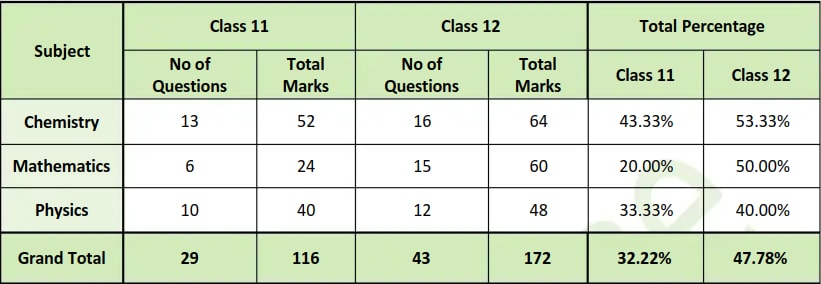
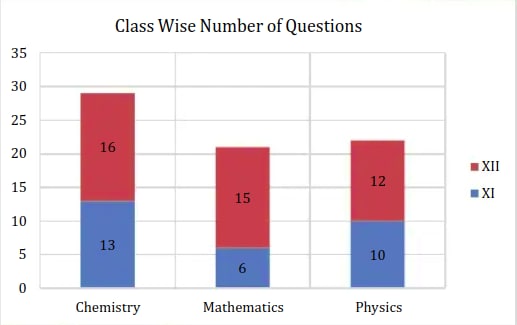
Subject Wise Difficulty Level:
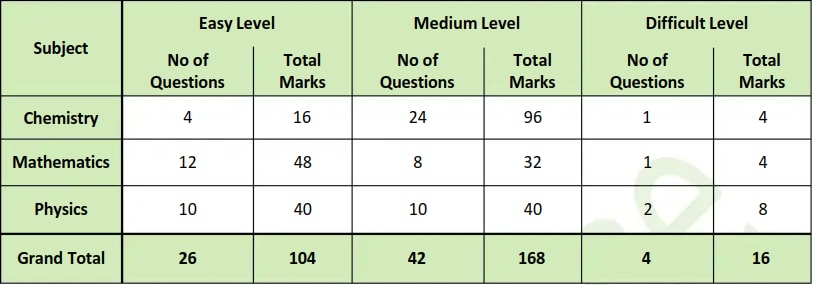
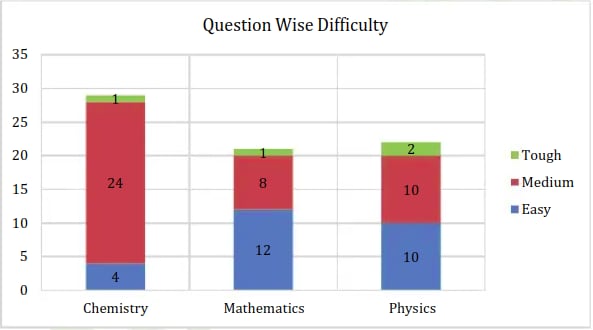
Overall Difficulty Level Analysis:
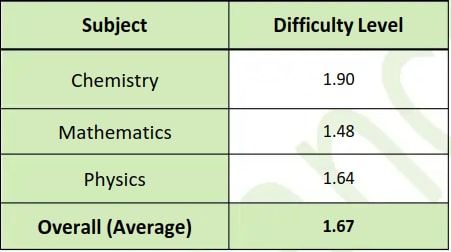
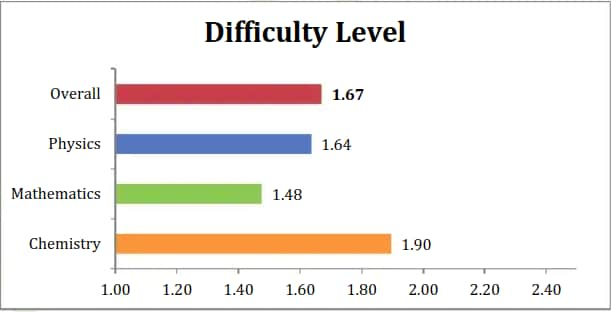
Overall Marks Distribution:
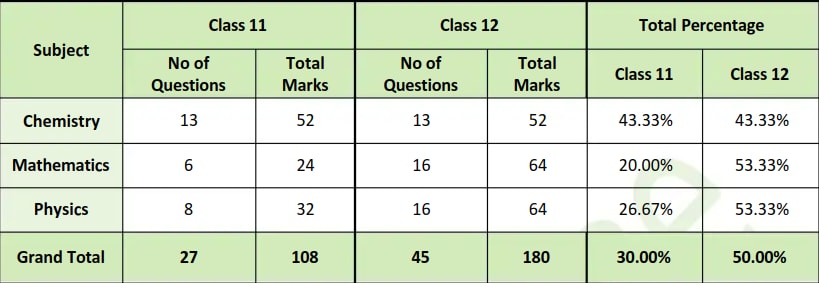
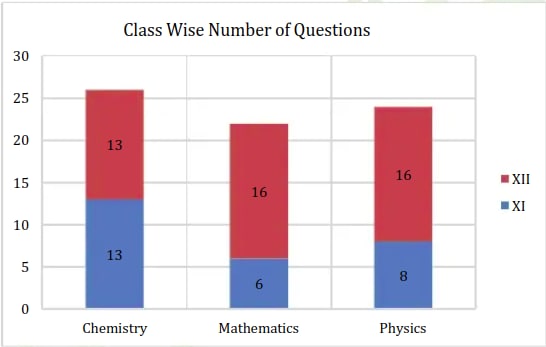
Subject Wise Difficulty Level:
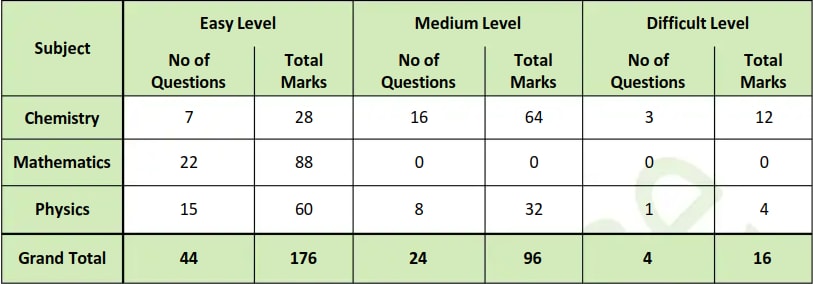
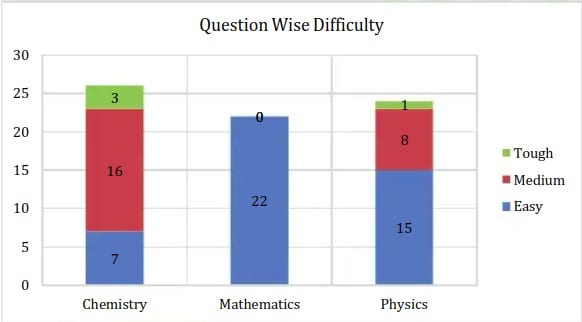
Overall Difficulty Level Analysis:
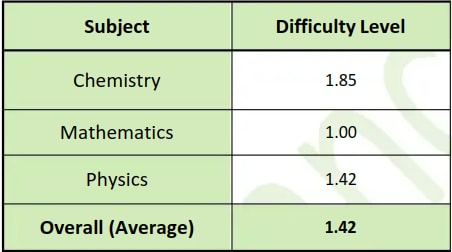
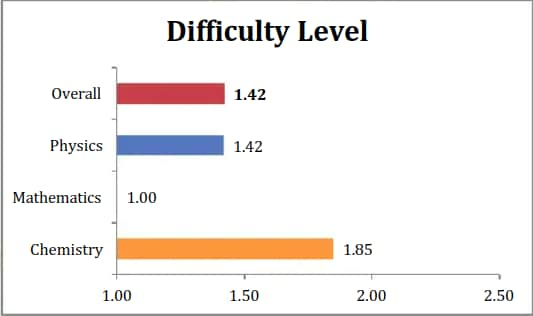
Chemistry - Most of the questions were theoretical with the maximum number of questions asked from Organic and Inorganic Chemistry. Questions from prominent chapters like Hydrocarbons, Structure of Atom, Equilibrium, and Biomolecules were asked. Overall coverage of the chapters was uniform. Almost all the questions are more or less related to or asked from NCERT only.
Physics - According to the feedback received from a good number of students, the Physics part was of a moderate to difficult level. Questions from Thermodynamics, Semiconductors, Current Electricity, Modern Physics and Magnetism were duly represented in the paper. Most of the questions were asked from the 12th class syllabus. Solving a good number of mock tests would prove to be an effective strategy. In comparison to last year's Physics papers, Physics questions were of a good standard in this shift.
Mathematics - Mathematics paper was moderate to difficult based on students’ feedback. Questions from Calculus were dominant followed by Vectors & 3D, Matrices and Determinants. Questions were also asked from Probability and Binomial Theorem in the paper. Almost all the topics were covered. The quality of the questions was good and the paper was a bit lengthy because of the Maths part. In comparison to the 11th and 12th class portions, most of the questions were asked from the 12th syllabus only.
Overall, average students found Mathematics and Physics difficult and the overall difficulty level of the paper can be said to be moderate to difficult. The difficulty level-wise order according to a large section of students is
Mathematics > Physics > Chemistry
The JEE Main analysis for January 29, Shift 1 has been released by FIITJEE experts. According to both FIITJEE experts and student feedback, the overall difficulty level of the paper was considered easy. Here is a detailed analysis of the JEE Main 2024 January 29, Shift 1 exam.
Mathematics - This section was relatively manageable, with an emphasis on Chapters of Algebra & Calculus. More than one question asked from Matrices &Determinants, 3 D Geometry, Vectors and Straight Lines. Other chapters included Permutation & Combination, Complex Numbers, Statistics, Progressions, Quadratic Equations, Function, Limits, Continuity & Differentiability, Application of Derivative, Indefinite Integration clubbed with trigonometry, Definite Integrals, Differential Equations, Area, Straight Line, Circle , Conic Sections with mixed concept questions. The Numerical Section had lengthy calculations from chapters of Calculus & Coordinate Geometry. A few questions were reported as Lengthy &Tricky.
Physics - Candidates find the Physics section to be moderately tough, with a significant emphasis on Electrostatics. The covered chapters included Kinematics, Gravitation, Rotational Motion, SHM, Laws of Motion, Magnetism, Ray Optics, Capacitance, Current Electricity, Modern Physics, Fluids, including an assertion-reasoning question, and Heat & Thermodynamics. Numerical-based questions were both challenging and lengthy. Additionally, there were a few fact-based questions from class XII chapters of NCERT, leading students to perceive a higher weightage for these chapters.
Chemistry - The difficulty level of the Chemistry paper was easy, with a significant emphasis on Organic and Inorganic Chemistry compared to Physical Chemistry. The covered topics included Chemical Bonding, Electrochemistry, Mole Concept, Coordination Compounds, p-block elements, Atomic Structure, Chemical Kinetics, General Organic Chemistry, Alcohol, Ether & Phenol, Biomolecules, Amines, Aryl & Alkyl halides.
NTA has changed the difficulty level of Shift-2 as compared to the one asked in shift-1. The evening shift (shift-2) paper was a bit more difficult as compared to the one asked in Shift-1. The JEE MAIN paper of January 27, 2024 (Evening Shift) was of Moderate level. In this paper, Physics were on the moderate to difficult level whereas Chemistry was on the easier side. A detailed subject-wise analysis is given below.
Chemistry - The paper was by and large based on NCERT books. Very few questions in this shift were asked from Organic chemistry. Most of the questions were from the Physical Chemistry part. 2-3 questions were asked from d-block elements. Questions from prominent chapters like Thermodynamics, Bonding Alkyl and Aryl halides were asked. Overall coverage of the chapters was uniform.
Physics - The physics part was of moderate to difficult level as some good assertion-reasoning questions were there. Questions from Modern Physics, Work Power and Energy, Fluids and Thermodynamics were there in the paper. Most of the questions were asked from the 12th class syllabus. If somebody has gone through the PYQs of the previous year's papers, he/she will have an upper hand in the paper.
Mathematics - Mathematics paper was moderate to difficult just like the Shift-1 paper. Questions from Algebra were dominant in the paper. A good number of questions were asked from Vectors, 3D and Limits, Continuity and Differentiability. Questions from Integration and Matrix and Determinants were there in the paper. Almost all the topics were covered.
In short, it was a balanced paper which could be solved in the given time. Most of the students found Mathematics and Physics difficult. The difficulty level-wise order according to a large section of students is
Mathematics > Physics > Chemistry
The experts of FIITJEE have released the JEE Main Janaury 27 shift 2 analysis. As per the experts of FIITJEE and students, the overall difficulty level of the paper was easy. Below is the detailed analysis of the JEE Main 2024 Janaury 27 shift 2 exam.
Mathematics – Easy. Weightage was given to chapters of Coordinate Geometry and Calculus. Questions from Circle, Ellipse & Hyperbola, Functions, Limits & Continuity, Differentiability, Differential Equations, Definite Integral, Differential Equations, Permutation & Combination, Binomial Theorem, Progressions, Statistics, Matrices & Determinants, Probability & Vectors. The numerical based section had lengthy calculations but was Easy.
Physics – Easy. Questions asked from almost all chapters. Some good questions from chapters on Kinematics, Heat & Thermodynamics, Sound & waves, Rotational Motion, Optics, Current Electricity, Modern Physics, Atoms & Nuclei. Numerical based questions were Easy. This section was balanced and Easy.
Chemistry - Easy. Organic Chemistry had more questions as compared to Inorganic & Physical Chemistry. Some good questions from Colloids, GOC, Amines, Aldehydes & Ketones, Biomolecules, Phenol & Ethers, Aryl & Alkyl Halides mixed concept questions, Mole Concept, Electrochemistry, d-block elements. Mostly NCERT fact-based questions were asked which made it easy for students.
As per the candidates, JEE Main Janaury 27 Shift 2 exam difficulty level is easy. Chemistry and Physics were easy compared to Mathematics. JEE questions in Physical chemistry were theory-based questions.
Chemistry: This section was easy. More weightage was given to inorganic chemistry.
The JEE Main paper of January 27, 2024 (Morning Shift) was Easy to Moderate level. In this paper, Chemistry and Physics were on the easy to moderate level whereas Mathematics had tricky questions and can be considered to be moderate to difficult by many students. A detailed subject-wise analysis is given below.
Chemistry - The paper was by and large based on NCERT books. Most of the questions were theoretical. A few questions were based on memory-based data and were confusing. Questions from prominent chapters like Chemical Kinetics, Biomolecules, Alcohol, Phenol and Ethers, Thermodynamics and Aldehyde, Ketone and Carboxylic Acids were asked. Overall coverage of the chapters was uniform.
Physics - According to a large number of students, the Physics part was of easy level to moderate level. Questions from Mechanics, Current electricity was duly represented in the paper. Most of the questions were asked from the 11th class syllabus. PYQ were also there in the paper. Solving a good number of mock tests would prove to be an effective strategy.
Mathematics - Mathematics paper was moderate to difficult based on students’ feedback. Questions from Calculus, Complex Numbers, 2-D Matrix and Determinants were there in the paper. 2D and calculus were dominant in the paper. Almost all the topics were covered. Again, practice through mock tests holds the key.
Overall, it was a balanced paper which can be solved in the stipulated time. Average students found Mathematics difficult. The difficulty level-wise order according to a large section of students is
Mathematics > Physics > Chemistry
Numerical based questions were easy. A few fact-based questions from class XII chapters of NCERT were also asked. Students felt more weightage given to XII Class chapters.
Difficulty – Mathematics was Moderate while Physics was Easy Overall, this paper was of Moderate level as per students.
Chemistry – Easy to Moderate. Organic Chemistry was given more weightage compared to Physical & Inorganic Chemistry. Questions asked from Coordination Compounds, Atomic Structure, Chemical Equilibrium, Electrochemistry, General Organic Chemistry, Biomolecules, Amines, Electrochemistry, Mole Concept, Phenols, Aryl & Alkyl halides.
NTA has concluded the JEE Main BTech January 27 shift 1 exam. As per the candidates, more questions were asked from the Class 12th syllabus. No questions were asked from exceptional compounds. The overall difficulty level of the paper was moderate to difficult.
Mathematics: As per the students Maths was lengthy but manageable.
Chemistry: Candidates find the chemistry paper to be easy. Questions were based on Organic and inorganic chemistry.
Physics: Physics was tough. There were 3 questions from semiconductors, 1 question from current electricity.
Overall Marks Distribution:
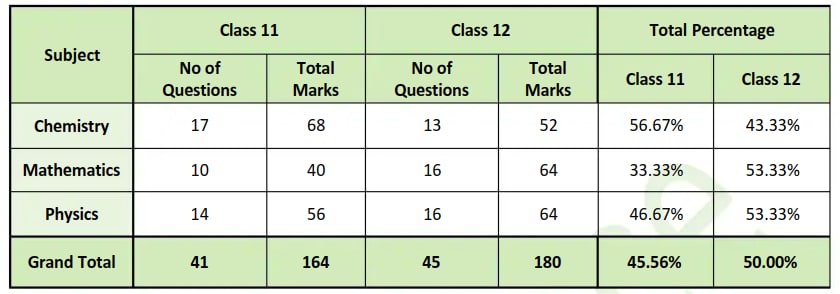
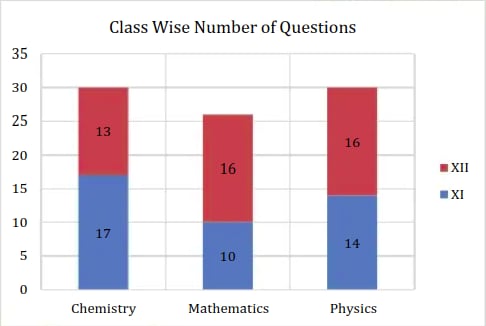
Subject Wise Difficulty Level:
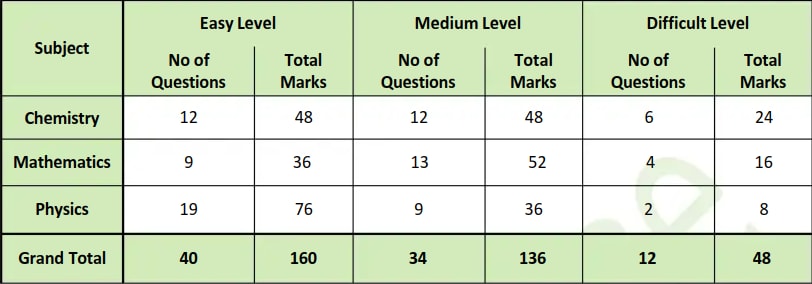
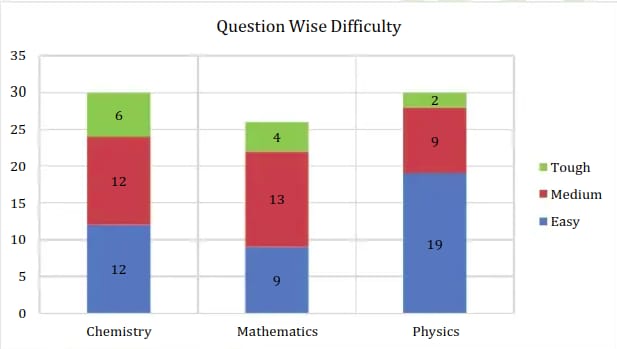
Overall Difficulty Level Analysis:
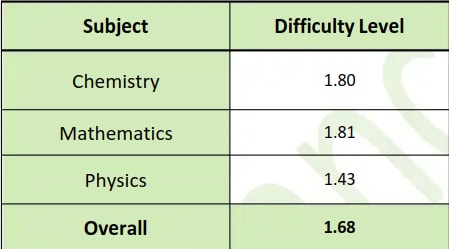
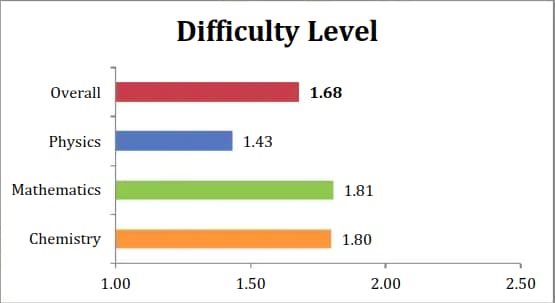
Overall Marks Distribution:
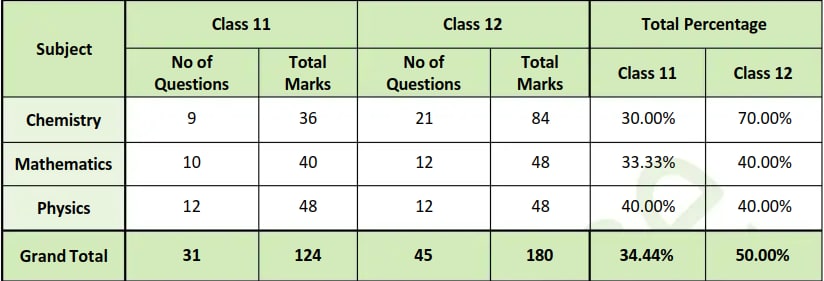
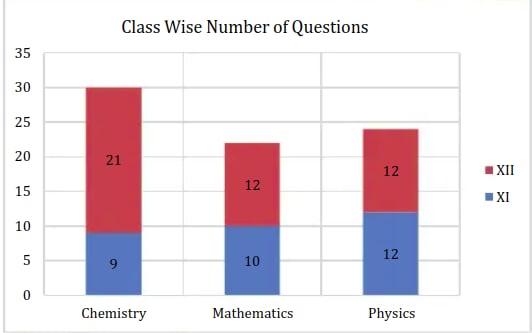
Subject Wise Difficulty Level:
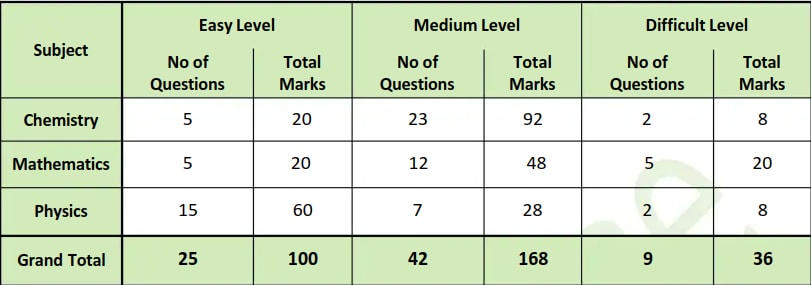
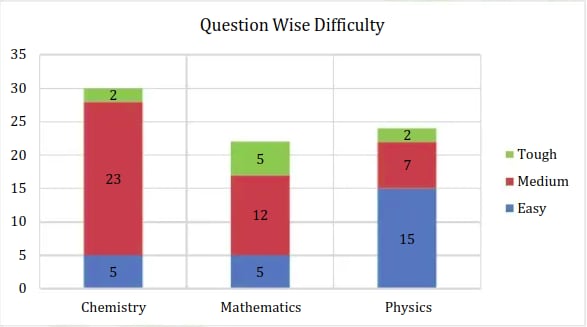
Overall Difficulty Level Analysis:
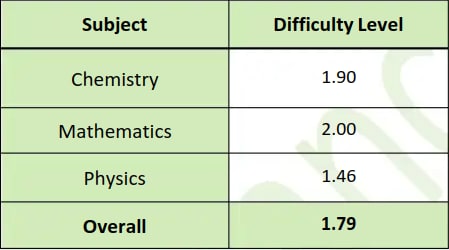
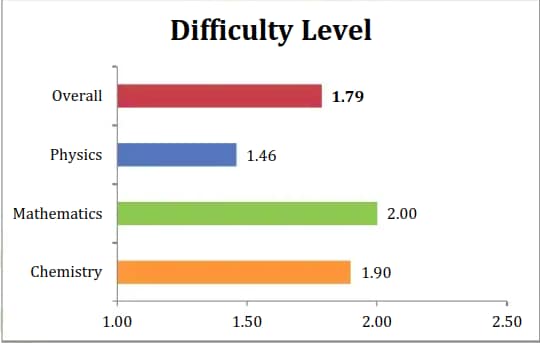
Analysis of B. Arch Paper(2A):
The level of difficulty of JEE Main Paper-2 (B. Arch) was Easy to Moderate as per feedback from students.
Mathematics – Easy to Moderate level. Few Students reported that the numerical-based section had few lengthy questions involving calculations. Questions were asked from almost all chapters like Quadratic Equations, Progression & Series, Inverse Trigonometric Equations, Binomial Theorem, Complex Numbers, Probability, Permutation & Combination, Matrices, Determinants, 3D Geometry, Vectors, Limits & Continuity, Definite Integrals, Differential Equations. Less weightage was given to Co-ordinate Geometry with questions asked from Straight Lines. Few questions in MCQs were reported Lengthy but Easy.
Aptitude – Easy to Moderate level. Questions were mostly based on 3- Dimensional Figures, Questions were asked from architecture aptitude, and monumental details, with some Logic based questions. This section was also reported Easy to Moderate.
Drawing– Easy level. One question involved Copying a picture from screen as per own perception in Black & White. The second question involved two options out of which one was to be attempted. : 1. View of a Football Stadium as a spectator 2. Abstract Art using a musical instrument in 3D and naming the texture and shadow effect.
Analysis of B. Planning Paper (2B):
The level of difficulty of JEE Main Paper-2 (B. Planning) was Easy to Moderate as per feedback from students.
Mathematics – Same as mentioned in B. Arch paper.
Aptitude – Same as mentioned in B. Arch paper.
Planning – Easy level. A few Questions were asked from the National Commission, Town Planning, Planning questions, and General Knowledge questions asking names of Architects of some important Monuments.
NTA successfully conducted the JEE Main B.Arch, B.Plan exam in shift 2. Candidates have shared their reactions on JEE Main Session 1 paper 2. The overall difficulty level of JEE Main 2024 Paper 2 exam is easy to moderate. The detailed analysis is provided below.
JEE Main 2024 BArch analysis
Paper analysis for JEE Mains 2024 B.Plan
| Exam Date | JEE Main 2023 Analysis PDF - Shift 1 | JEE Main 2023 Analysis PDF - Shift 2 |
| JEE Main April 13 Paper Analysis | JEE Main April 13 Shift 1 topics with weightage | JEE Main April 13 Shift 2 topics with weightage |
JEE Main April 12 Paper Analysis | JEE Main April 12 Shift 1 topics with weightage | |
| JEE Main April 11 Paper Analysis | JEE Main April 11 Shift 1 topics with weightage | JEE Main April 11 Shift 2 topics with weightage |
| JEE Main April 10 Paper Analysis | JEE Main 2023 April 10 shift 1 topics with weightage | JEE Main 2023 April 10 shift 2 topics with weightage |
| JEE Main April 8 Paper Analysis | JEE Main 8 April shift 1 topics and weightage | JEE Main 8 April shift 1 topics and weightage |
| JEE Main April 6 Paper Analysis |
Also Read- JEE Main Admit Card | JEE Main Mock Test
According to Ramesh Batlish Managing Partner & Head-FIITJEE Noida Centres, JEE Main April 15 shift 2 exams overall difficulty level is moderate. Maths was Moderate while Physics was reported as easy. The detailed analysis of JEE Main April 15 shift 2 is as follows.
Mathematics – Moderate Level. Weightage was given to chapters of Algebra and Calculus. In Calculus questions asked from Functions, Limits & Continuity, Application of Derivative, Definite Integrals, Area under curves, & Differential Equations. In Algebra- Matrices, Permutation & Combination, Vectors, 3D Geometry had more than one question, Progressions, Statistics, Binomial Theorem, Mathematical Reasoning & Probability.
Physics – Easy level. Questions asked from Kinematics, Laws of Motion, Work, Power & Energy, Heat & Thermodynamics, SHM, Current Electricity, Magnetism, Gravitation, Modern Physics, Semiconductors, Communications Systems & Optics. Numerical based questions were reported as Easy to Moderate. More weightage is given to Class XII Chapters.
Chemistry - Easy To Moderate level. Inorganic Chemistry had more questions as compared to Organic & Physical Chemistry. The Numerical Section had questions from Chemical Kinetics, Electrochemistry, Ionic Equilibrium. There were mixed concept questions from Amines, Alcohols, Ethers & Phenols, Biomolecules, Polymers, Aryl & Alkyl halides in Organic Chemistry. Inorganic Chemistry had questions from s-block, p-block, Chemical Bonding, Co-ordination Compounds, Ores & Metallurgy.
NTA has conducted the JEE Mian 2023 April 15 shift 1 exam. Candidates sharing their reactions said that the overall difficulty level of the paper was easy to moderate. Mathematics was lengthy as usual, while chemistry was of moderate level. Physics remains on the easier side.
Ajay Sharma, National Academic Director, Engineering Aakash BYJU’S has shared his analysis on JEE Main 2023 April 15 shift 1 exam. According to Mr. Sharma, the overall JEE Main April 15 shift 1 was a balanced paper. Average students found Mathematics difficult. The difficulty level-wise order according to a large section of students is Mathematics > Chemistry > Physics. Below is the detailed analysis of JEE Main April 15 shift 1.
Chemistry - Most of the questions were theoretical. Overall, the questions from Organic, Physical and Inorganic Chemistry were evenly distributed in the paper. Questions from prominent chapters like Chemical Kinetics, Electrochemistry, Solid State, Coordination compounds, Amines, s-block and Aldehyde, Ketone and Carboxylic Acids were asked. Overall coverage of the chapters was uniform.
Physics - Questions from Mechanics, Current electricity, Semiconductors and Modern Physics were duly represented in the paper. Three to four questions from Mechanics were there in the paper.
Mathematics - The mathematics paper was moderate and slightly time taking due to the lengthy calculations involved. Questions were asked from Calculus, Complex Numbers, Sequence and Series, Vectors & 3D and Matrix and Determinants were there. Vector and 3D were dominant in the paper.
According to Ramesh Batlish Managing Partner & Head-FIITJEE Noida Centres, JEE Main 2023 April 15 shift 1 exam was of Moderate level. Mathematics was Moderate Level while Physics was Easy among the three subjects. Below is the JEE Main 15 April shift 1 exam analysis.
Mathematics - Moderate Level. Questions were asked from all chapters with more weightage given to Calculus & Algebra. In Calculus questions asked from almost all chapters of Limits & Continuity, Differentiability, Indefinite & Definite Integrals , Application of Derivative, Area, Differential Equations. In Algebra chapters covered where Complex Numbers, Binomial Theorem, Progressions, Matrices & Determinants, Mathematical Reasoning, Statistics, Permutation & Combination. More than one questions from Vectors, 3 D Geometry, Matrices, Probability. Mixed Concept Questions were asked from Parabola, Circles, Ellipse.
Physics - Easy level. More weightage given to chapters of class XII. Questions asked from Kinematics, Gravitation, SHM, Heat & Thermodynamics, Circular Motion, Rotational Motion, EM Waves, Electrostatics (Dipole ), Communication Systems, Magnetism, AC Circuits, Current Electricity, Modern Physics, Ray & Wave Optics.
Chemistry - Easy to Moderate Level. Inorganic had more weightage compared to Physical & Organic Chemistry. Numerical Based questions were mostly from Physical Chemistry – Solutions, Thermodynamics, Chemical Kinetics, Ionic EquilibriumQuestions also asked from s & p block, Coordination Compounds, Titrations, Chemistry in Everyday Life, Solid State, Ores & Metallurgy. Some mixed concept questions were asked in Organic Chemistry involving Amines, Aldehydes & Ketones, Aryl & Alkyl halides, GOC, Polymers.
Overall Marks Distribution:
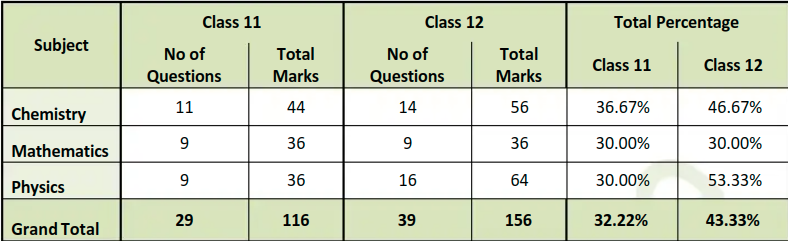
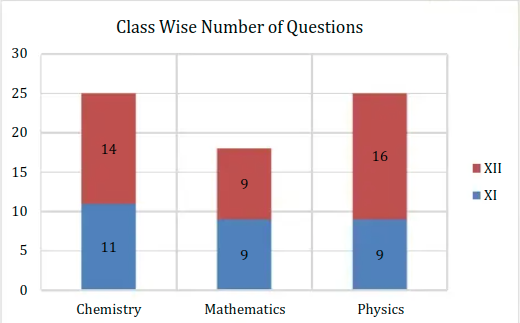
Subject Wise Difficulty Level:
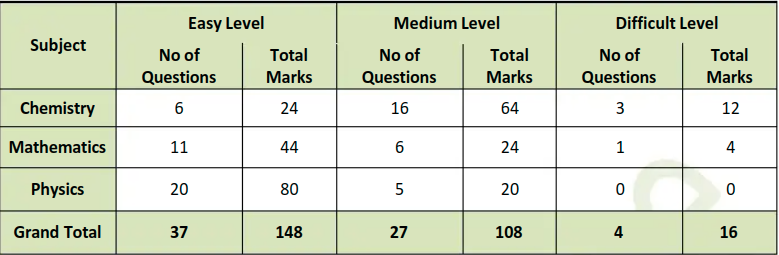
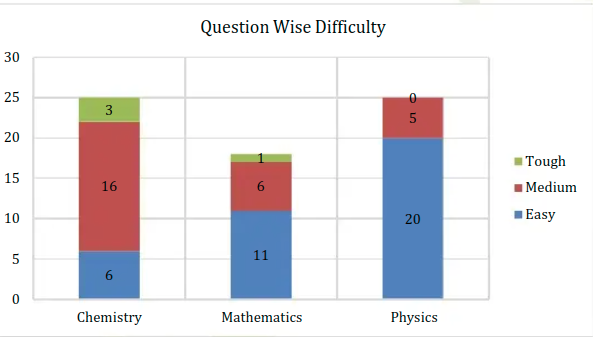
Overall Difficulty Level Analysis:
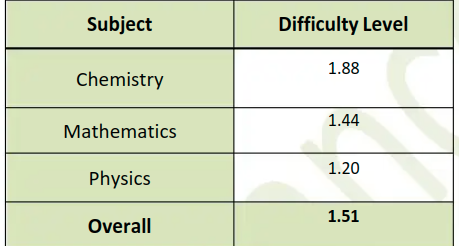
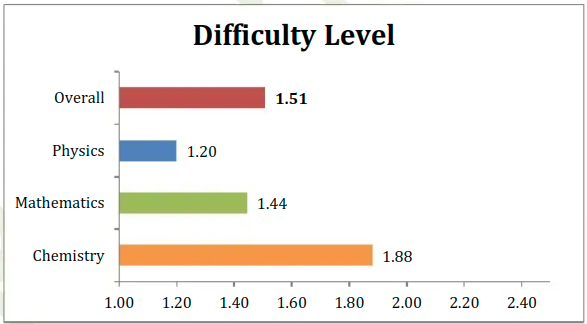
JEE Main April 13 has been concluded, according to the candidates the overall difficulty level is easy to moderate
Physics was easy. The question were formula based. A question was asked from Mechanics, RBD.
Chemistry was moderate. Question were based on polymer, everyday life.
Mathematics was of moderate difficulty level and lengthy. Moreover, the paper was tough compare to other date exam.
Chemistry: The paper was by and large based on NCERT books. Numerical were very few from Physical Chemistry and but most of the questions were theoretical. Overall, the questions from Organic were somewhat on the higher side as compared to Physical and Inorganic Chemistry. Questions from prominent chapters like Chemical Kinetics, Thermodynamics, Equilibrium, Alcohol, Phenol and Ethers, s-block and Aldehyde, Ketone and Carboxylic Acids were asked.
Physics: According to a sizeable number of students, the Physics part was of easy level. Questions from Mechanics, Current electricity, Semiconductors and Modern Physics were duly represented in the paper. Three to four questions from Mechanics and two from Modern Physics were there in the paper. Other chapters were also included in due proportions. There were a good number of numerical which were largely formula based. According to students XII Physics had more weightage in the paper. PYQ were also there in the paper.
Mathematics: The mathematics paper was moderately difficult and slightly time taking due to the lengthy calculations involved. A few good questions were interspersed sporadically. Questions were asked from Calculus, Complex Numbers, Probability, Vectors & 3D and Matrices and Determinants were there. Vector and 3D were dominant in the paper.
In terms of order of difficulty level Mathematics was Moderately Tough Level while Physics was Easy amongst the three subjects. Overall, this paper was of Moderate level as per students.
Overall Marks Distribution:
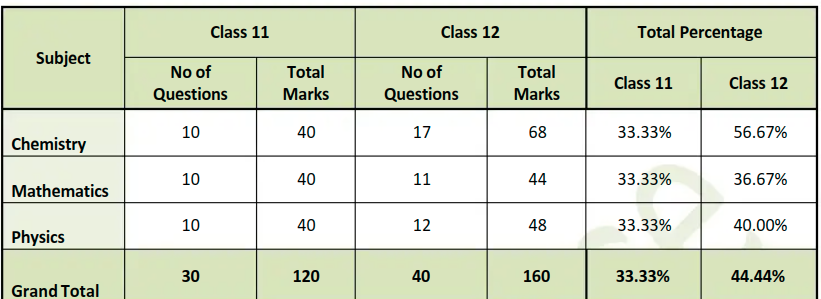
Subject Wise Difficulty Level:
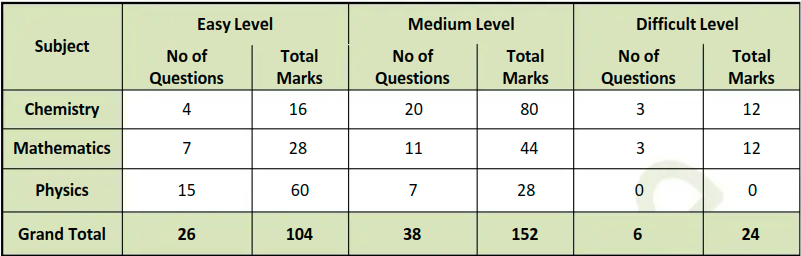
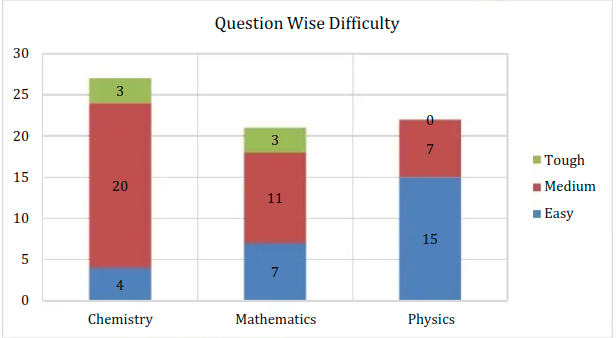
Overall Difficulty Level Analysis:
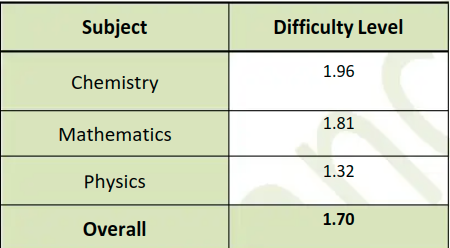
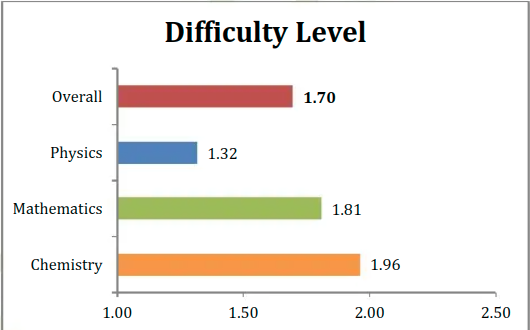
As per the students based reactions the overall B.Arch paper- 2 was Moderate level. Candidates can check the complete analysis of JEE Main 2023 B.Arch here.
JEE Main April 12 shift 1 exam has been successfully conducted. Based on the student's reaction the overall difficulty level of the exam is moderate to hard.
Physics paper was easy. Questions were based on mechanism and kinetics approx question 3 or 4 (easy)
Maths overall difficulty level is tough. Moreover the paper was tricky and lengthy
Chemistry easy but tough compare to other subjects
According to Ajay Sharma, National Academic Director, Engineering Aakash BYJU’S, NTA has somewhat increased the difficulty level for Apr 12(Shift-1) as compared to other sessions of JEE Main Exam (Phase-2), it was a paper of Moderate level. Physics was the easiest of the lot whereas Mathematics because of lengthy calculations and tricky questions was considered to be moderate to difficult by many students.
Chemistry: The paper was by and large based on NCERT books. Numerical were very few from Physical Chemistry and but most of the questions were theoretical. Overall, the questions from the Physical, Organic and Inorganic branches were more or less evenly distributed. Questions from prominent chapters like p-block, Polymers, Chemical Kinetics, Solutions, s-block and Aldehyde, Ketone and Carboxylic Acids were asked. Overall coverage of the chapters was uniform.
Physics: According to a sizeable number of students, the Physics part was of easy level. Questions from Mechanics, Current electricity, Semiconductors and Modern Physics were duly represented in the paper. Two questions from Current Electricity and two to three from Magnetism were there in the paper. Other chapters were also included in due proportions. There were a good number of numerals that were largely formula based.
Mathematics: The mathematics paper was moderately difficult and slightly time taking due to the lengthy calculations involved. A few good questions were interspersed sporadically. Questions were asked from Calculus, Permutations and Combinations, Probability, Vectors & 3D and from Matrix and Determinants were there. Vector and 3D were dominant in the paper.
Ramesh Batlish Managing Partner & Head-FIITJEE Noida Centres shared the JEE Main 12 April shift 1 analysis stating that the overall paper was of moderate level as per the students. Mathematics was Moderately Tough Level while Physics was Easy among the three subjects. Below is the detailed analysis of JEE Main April 12 shift 1 exam.
Mathematics – Moderately Tough level. Questions were asked from all chapters with emphasis on Chapters of Coordinate Geometry & Calculus. Mixed Concept Questions were asked from Circles, Ellipse, Hyperbola. In Algebra chapters covered where Vectors (2 questions), 3 D Geometry (3 to 4 questions), Binomial Theorem, Progressions, Matrices, Mathematical Reasoning, Statistics (2 questions), Permutation & Combination, Probability. In Calculus- Functions (3 questions), Definite Integrals (2 questions), Area, Differential Equations. Numerical Section had lengthy calculations. Few questions were reported as Tricky.
Physics – Easy level. Questions asked from Kinematics, Fluids, Heat & Thermodynamics, Kinetic Theory of Gases, Gravitation, Rotational Motion, EM Waves, Electrostatics, Semiconductors, Magnetism, AC Circuits, Current Electricity, Modern Physics & Ray Optics. Numerical based questions were easy. Overall, this section was balanced as per students.
Chemistry – Easy to Moderate Level. Inorganic Chemistry was given more weightage compared to Physical & Organic Chemistry. Numerical Based questions were mostly from Physical Chemistry – Solutions, Electrochemistry, Chemical Kinetics, Ionic Equilibrium. Questions also asked from Chemistry in Everyday Life, p & d block, Phenols, Coordination Compounds. Some mixed concept questions were asked in Organic Chemistry involving Amines, Aldehydes & Ketones, Biomolecules, Polymers. Some students reported Match the following questions in Inorganic Chemistry as time consuming and tricky. Organic Chemistry was reported tricky.
Overall Marks Distribution:
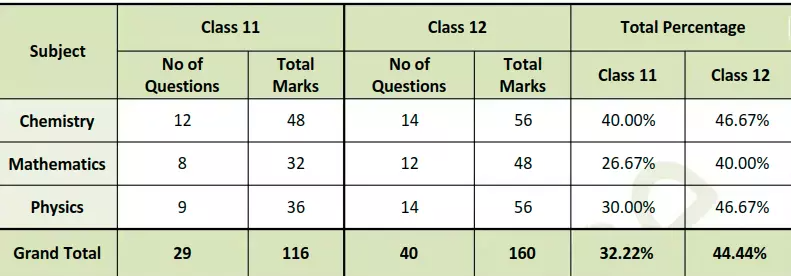
Subject Wise Difficulty Level:
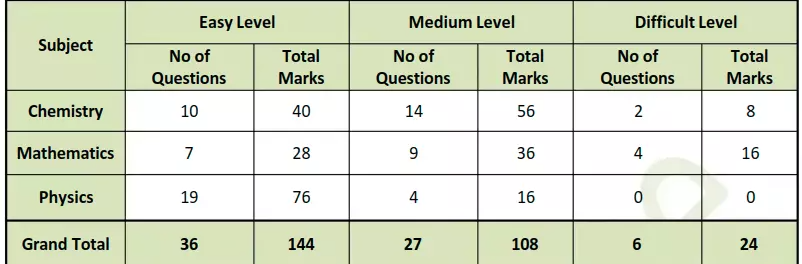
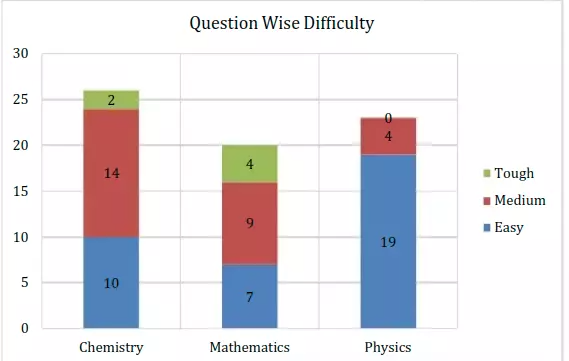
Overall Difficulty Level Analysis:
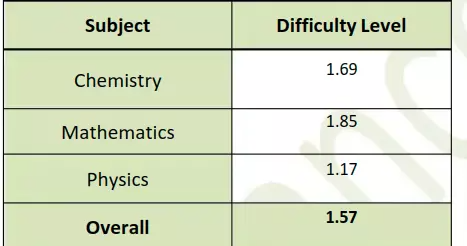
As per students based reactions the overall difficulty level of paper was easy to moderate.
Physics section was moderate and contains Electrostatics, Magnetism, fluid mechanics.
Chemistry: The paper was by and large based on NCERT books. Some chemistry questions were a little tricky. Overall, the questions from the Physical, Organic and Inorganic branches were more or less evenly distributed. Questions from prominent chapters like s-block, p-block, Polymers, Chemical Kinetics, Some Basic Concepts of Chemistry, Amines and Aldehyde, Ketone and Carboxylic Acids were asked. Overall coverage of the chapters was uniform. According to students, the chemistry was moderate among the three subjects in the paper. Class XI and XII questions have almost equal weightage in the paper.
Physics
Physics: According to a sizable number of students, the Physics part was of easy level. Questions from Mechanics, Current electricity, Thermodynamics and Modern Physics were duly represented in the paper. Work, Power Energy was also there in the paper. Other chapters were also included in due proportions. There were a good number of numericals which were largely formula based. According to students XI and XII Physics had almost equal weightage in the paper. PYQ was also there in the paper. Solving a good number of mock tests would prove to be an effective strategy.
Mathematics
Maths: The mathematics paper was moderate but slightly time taking due to the lengthy calculations involved. A few good questions were interspersed sporadically. Questions were asked from Definite and Indefinite Integral, Probability, Vectors & 3D and from Sequence and Series were there. Vector and 3D were dominant in the paper. Almost all the topics were covered. Again, practice through mock tests holds the key.
Overall Marks Distribution:
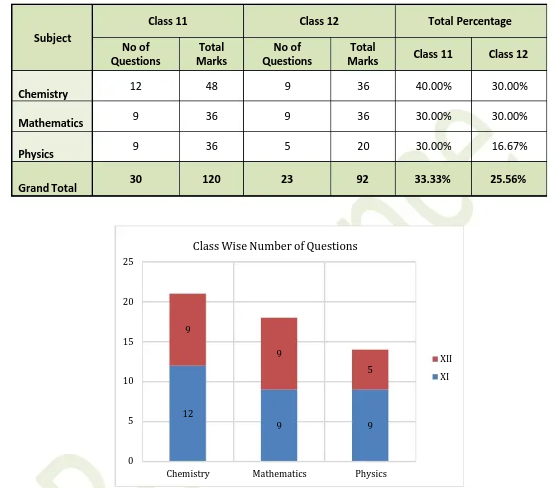
Subject Wise Difficulty Level:
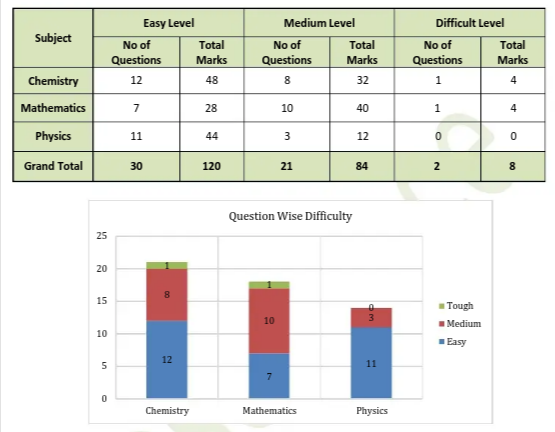
Overall Difficulty Level Analysis:
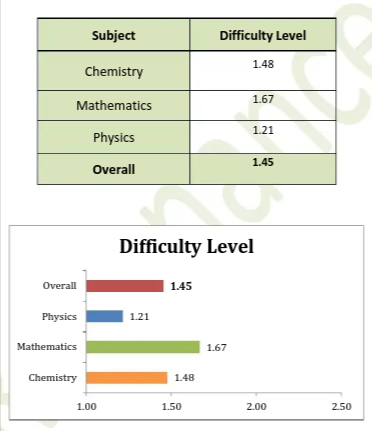
According to Ramesh Batlish Managing Partner & Head-FIITJEE Noida Centres, JEE Main April 11 shift 2 overall difficulty level was moderate. Mathematics was Moderate Level while Physics was Easy amongst the three subjects
Mathematics – Moderately level. Questions were asked from all chapters with emphasis on Chapters of Algebra & Calculus. Questions were asked from Vectors & 3 D Geometry (4 to 5 questions), Binomial Theorem, Progressions, Matrices, Mathematical Reasoning, Statistics, Permutation & Combination & Probability, Straight Lines & Circle , Parabola, Definite Integrals had 3 questions, Area, Differential Equations(2 questions). Numerical Section had lengthy calculations.
Physics – Easy level. Questions asked from Kinematics, Heat & Thermodynamics(3 to 4 questions), Kinetic Theory of Gases, Gravitation, Rotational Motion, EM Waves, Electrostatics, Magnetism, AC Circuits, Current Electricity, Modern Physics & Ray Optics. Numerical based questions were easy. Overall, this section was balanced as per students.
Chemistry – Easy to Moderate Level. Inorganic Chemistry was given more weightage compared to Physical & Organic Chemistry. Numerical Based questions were mostly from Physical Chemistry – Solutions, Electrochemistry, Chemical Kinetics, Mole Concept, Ionic Equilibrium, Solid state. Questions also asked from Environmental Chemistry, p & d block, Phenols, Chemical Bonding, Coordination Compounds. Some mixed concept questions were asked in Organic Chemistry from Amines, Aldehydes & Ketones, Biomolecules, Polymers.
JEE Main April 11 shift 1 exam has been concluded. According to the students Chemistry was moderate while Mathematics was lengthy.
In Chemistry high weightage was given to Organic.
Physics was formula based. Question was asked from Optics.
Overall Marks Distributions:
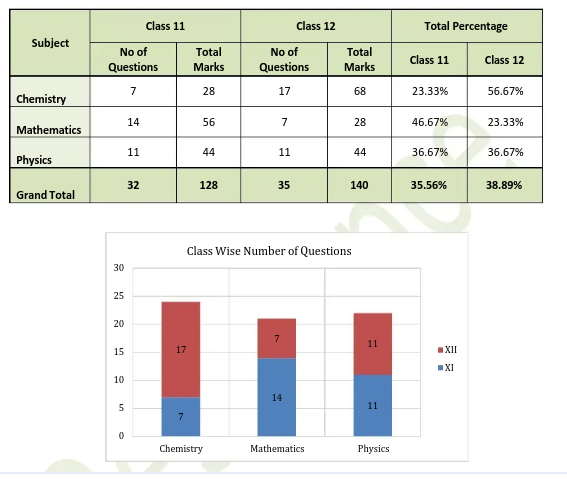
Subject Wise Difficulty Level Analysis:
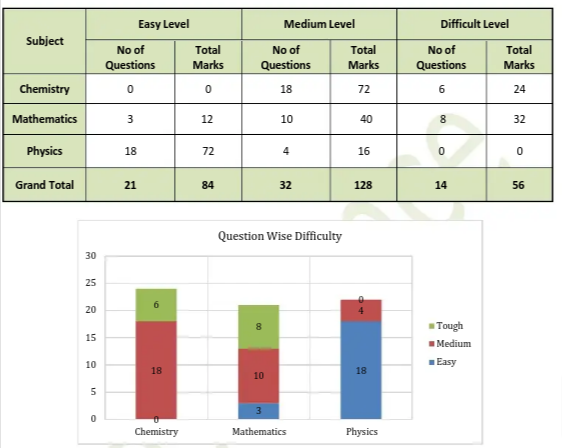
Overall Difficulty Level Analysis:
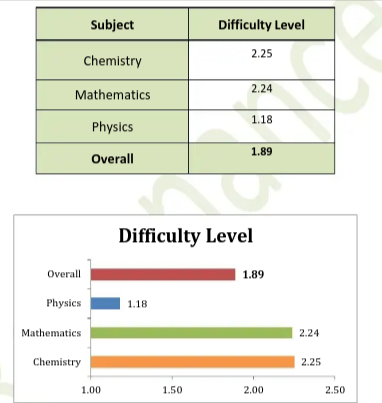
Ramesh Batlish, Managing Partner & Head-FIITJEE Noida Centres shared his reaction on JEE Main April 11 exam stating that the overall difficulty level of the exam was moderate as per the students. Physics was easy compared to Chemistry and Mathematics. Below is a detailed analysis of JEE Main 11 April shift 1.
Mathematics: Moderately level. Questions were asked from all chapters with emphasis on Chapters of Algebra & Calculus. Questions were asked from Vectors & 3 D Geometry (4 to 5 questions), Binomial Theorem, Progressions, Matrices, Mathematical Reasoning, Statistics, Permutation & Combination & Probability, Straight Lines & Circle, Parabola, Definite Integrals had 3 questions, Area, Differential Equations(2 questions). The numerical Section had lengthy calculations.
Physics: Easy level. Questions asked from Kinematics, Heat & Thermodynamics(3 to 4 questions), Kinetic Theory of Gases, Gravitation, Rotational Motion, EM Waves, Electrostatics, Magnetism, AC Circuits, Current Electricity, Modern Physics & Ray Optics.
Chemistry: Easy to Moderate Level. Inorganic Chemistry was given more weightage compared to Physical & Organic Chemistry. Numerical Based questions were mostly from Physical Chemistry – Solutions, Electrochemistry, Chemical Kinetics, Mole Concept, Ionic Equilibrium, Solid state. Questions also asked from Environmental Chemistry, p & d block, Phenols, Chemical Bonding, Coordination Compounds. Some mixed concept questions were asked in Organic Chemistry from Amines, Aldehydes & Ketones, Biomolecules, Polymers.
As per students based reactions the overall difficulty level of paper was easy to moderate.
Chemistry was moderate and NCERT based. The topics asked from topics like physical chemistry, nucleotide, polymer, isomer, chemical bonding, coordination compound.
Maths paper was lengthy as like previous JEE Main 2023 shifts. The questions asked from JEE Main specific topics like, Vector 3D, mathematical reasoning, probability, circle, ellipse, statistics.
Many students stated that Physics questions was formula based. Questions asked from Current, electricity, communication system.
The JEE Main April 10 shift 2 conducted successfully on various exam centres. The questions covered almost all chapters of Class XI & XII CBSE Board. In Physics weightage given to class XII chapters. In terms of order of Difficulty – Maths was Moderate, Physics was Easy , while Chemistry was reported Easy to Moderate. Overall, this paper was Moderate level as per students.
According to the students the overall difficulty level of paper was easy.
Chemistry questions cover almost all topics. The question was asked from polymer, biomolecules, chromatography. Inorganic and organic more weightage than physical,
Maths was lengthy. The question was asked from mathematical reasoning.
In Physics question was from the communication system, 11th mechanics focused more, ray optics and Thermodynamics
Ajay Sharma, National Academic Director, Engineering Aakash BYJU’S shared his feedback on JEE Main April 10 shift 1 exam. According to Mr. Sharma the JEE Main 10 April shift 1 was a balanced paper that can be solved in the stipulated time. Chemistry and Physics were of moderate level as per the candidates. The difficulty level of the exam as per the large section of students is Physics > Chemistry > Mathematics. Below is detailed analysis of JEE Main 10 April Shift 1 exam.
Chemistry: The paper was by and large based on NCERT books. Organic chemistry was on the lower side even in Chemistry and many questions were theoretical. Overall, the questions from the Physical, Organic and Inorganic branches were more or less evenly distributed. Questions from prominent chapters like p-block, Coordination, Polymers, Haloalkanes, and Haloarenes, Electrochemistry and Equilibrium were asked. Overall coverage of the chapters was uniform. Inorganic chemistry had high weightage in the paper. A thorough study of the NCERT books and mock tests based on NCERT is the guarantee of success in these types of tests.
Physics: According to a sizeable number of students, the Physics part was of moderate level. Questions from Mechanics, Current electricity, Semiconductors, and Modern Physics were duly represented in the paper. Two questions about Gravitation and two questions about current electricity were there in the paper. Other chapters were also included in due proportions. There were a good number of numerals that were largely formula based. According to students XI and XII Physics had almost equal weightage in the paper. PYQ was also there in the paper. Solving a good number of mock tests would prove to be an effective strategy.
Mathematics: The mathematics paper was somewhat straightforward and the questions were not that difficult. A few good questions were interspersed sporadically. Questions were asked from Calculus, Conic section, Probability, Vectors & 3D and from Permutations and Combinations were there. Vector and 3D were dominant in the paper. Almost all the topics were covered. Again, practice through mock tests holds the key.
Ramesh Batlish, FIITJEE Managing Partner & Centre Head has shared the JEE Main April 10 shift 1 analysis. According to Mr. Batlish, the overall difficulty level was of easy level. Moreover, No errors were reported in the question papers. Below is the subject wise analysis of JEE Main 10 April shift 1.
Mathematics – Easy to Moderate level. Questions were asked from all chapters with an emphasis on Chapters of Algebra & Coordinate Geometry. Questions asked from Matrices, Determinants, Vectors, 3 D Geometry, Straight Line, Parabola, Circle, Binomial Theorem, Progressions, Mathematical Reasoning, Statistics, Complex Numbers, Definite Integrals, and Differential Equations. The Numerical Section had few lengthy calculations but was easy.
Physics – Easy level. Questions asked from Gravitation, EM Waves, Wave Optics, Ray Optics, Electrostatics, Magnetism & Matter, Current Electricity & Modern Physics, Kinematics, Laws of Motion, Work Power Energy, Heat & Thermodynamics, Semi-Conductors, Communication Systems. MCQs were relatively easy. Some assertion reasoning questions were also asked. Overall a Balanced section.
Chemistry – Easy level. Inorganic Chemistry was given more weightage compared to Physical & Organic Chemistry. Questions asked from Electrochemistry, Ores & Metallurgy, Chemical Bonding, Mole Concept, d – block & f- block, Qualitative Chemistry, and Coordination Compounds. Organic Chemistry had some easy questions from Amines, Alcohols, and Phenols. Some questions from Polymers & Environmental Chemistry were NCERT Based.
The experts of Resonance have released the JEE Main April 10 shift 1 exam analysis online. According to the subject experts, the overall difficulty level was moderate. Moreover, Mathematics and Chemistry were tough compared to Physics.
Marks Distribution:
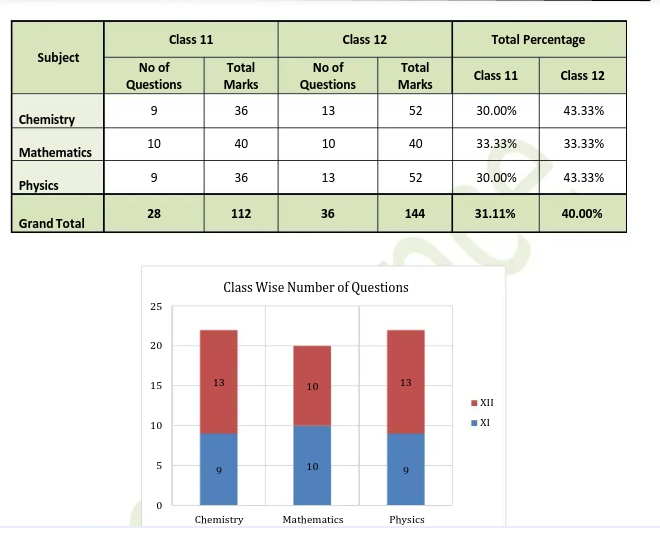
Subject Wise Difficulty Level:
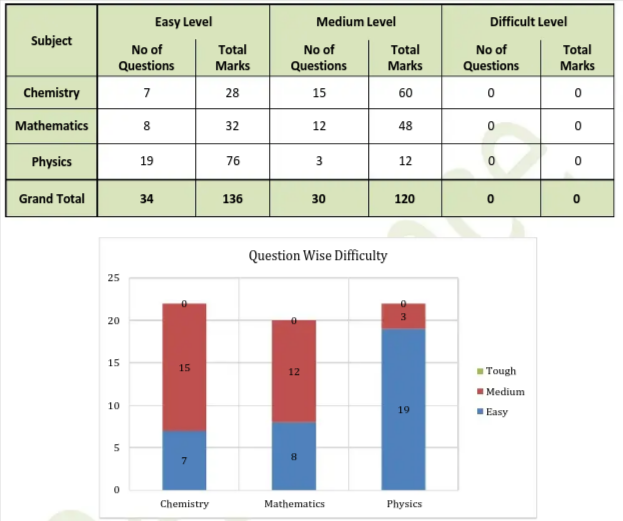
Overall Difficulty Level:
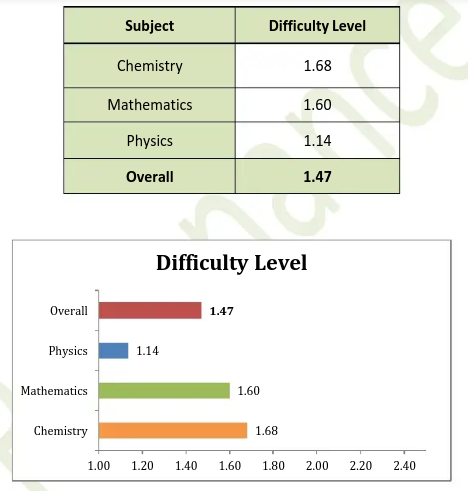
JEE Main 2023 Paper Analysis for April 8 (Shift 2)
The Ramesh Batlish, centre head FIITJEE Noida, shared the JEE Main April 8 shift 2 exam analysis. As per the expert the questions covered almost all chapters of Class XI & XII CBSE Board. It was a balanced paper. It was Tougher than the previous Tests held so far. In terms of difficult level Maths was Moderately Tough , Chemistry was Moderate Level, while Physics was Easy. Overall, this paper was Moderate to Tough level as per students.
Mathematics – Moderately Tough Level. Mixed Concept questions were asked. Questions asked from Straight Lines, Parabola, Circles, Limits, Continuity & Differentiability, Differential Equations, Area, Matrices, Binomial Theorem, Probability, Statistics, Determinants, Vectors, 3D Geometry, Mathematical Reasoning, Complex Numbers, Progression Series. Both MCQs and Numerical Based questions required lengthy calculations. This section was Lengthy and Tricky as per few students.some students also reported this as Tough.
Candidates searching for the JEE Main April 8 shift 1 exam analysis can check the JEE Main analysis 2023 shared by Ajay Sharma, National Academic Director, Engineering, Aakash BYJU’S here. As per expert, NTA has lowered the difficulty level for the 8th Apr Phase 1 paper of JEE Main Exam, it was a paper of Easy to Moderate level. Chemistry was the easiest of the lot whereas Physics and Maths are of moderate level as considered by many students. A detailed subject-wise analysis is given below.
Chemistry- The paper was by and large based on NCERT books. Numerical was on the lower side even in Physical Chemistry and many questions were theoretical. Overall, the questions from Organic and Inorganic were more as compared with Physical chemistry. Questions from prominent chapters like p-block, Electrochemistry, Alcohol, Phenol and Ether, and Aldehyde, Ketone and Carboxylic Acids were asked. Overall coverage of the chapters was uniform. Block chemistry had a higher weightage in the paper. A thorough study of the NCERT books and mock tests based on NCERT is the guarantee of success in these types of tests. According to students, XI and XII's chemistry had almost equal weightage in the paper.
Physics- According to a sizeable number of students, the Physics part was of moderate level. Questions from Mechanics, Current electricity, Electrostatics and Modern Physics were duly represented in the paper. Ray optics and thermodynamics were there in the paper. Other chapters were also included in due proportions. There were a less number of numerical and the questions were largely theoretical and formula based. According to students XII Physics had more weightage on paper.
Mathematics- The mathematics paper was moderate and did not have many calculations involved. A few good questions were interspersed sporadically. Questions were asked from Calculus, Coordinate Geometry, Probability, Vectors & 3D and Algebra were there. The Conics part was dominant in the paper. Almost all the topics were covered. Again, practice through mock tests holds the key.
As per the resonance experts, the overall paper was moderate. The candidates can check the subject-wise and class-wise JEE Main 2023 paper analysis from below.
Class-wise difficulty level of JEE Main 2023 April 8 shift 1 exam
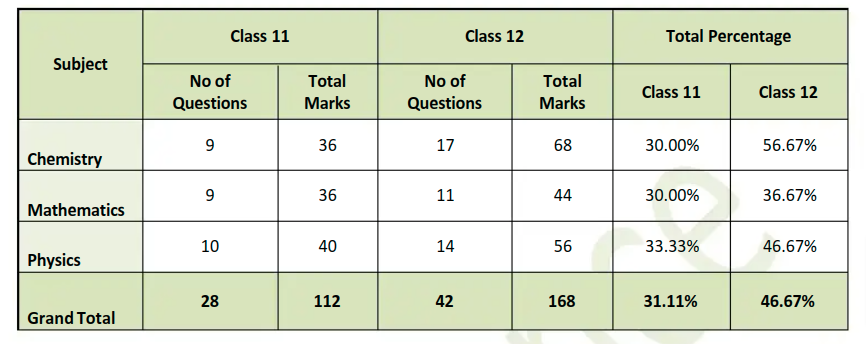
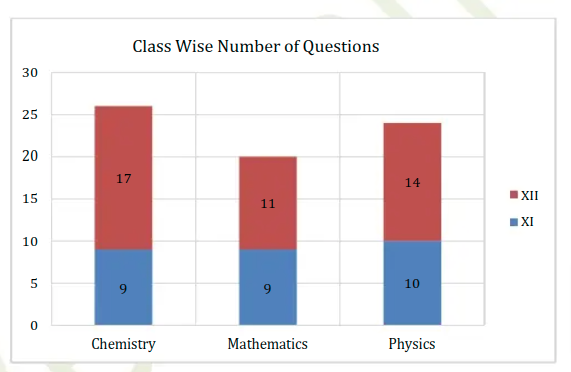 Subject-wise JEE Main 2023 April 8 shift 1 paper analysis
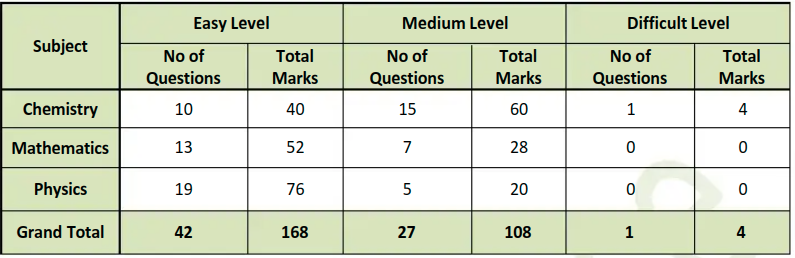
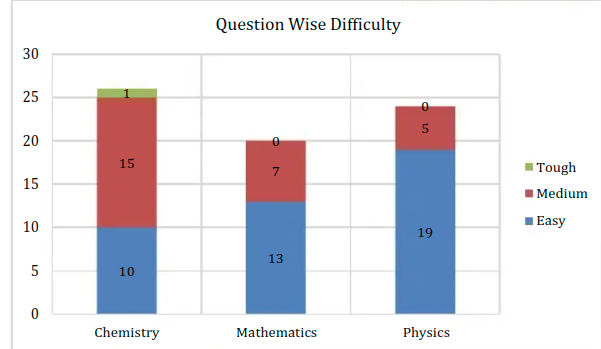
Overall difficulty level analysis for JEE Main 2023 April 8 shift 1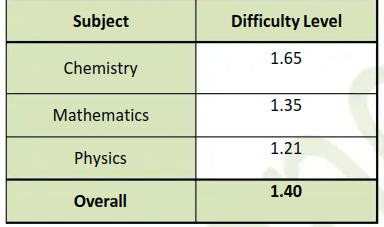
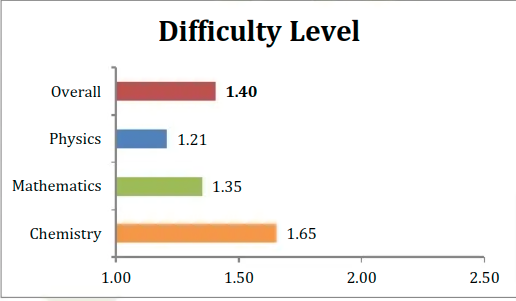
As per the resonance experts, the overall paper was moderate. The candidates can check the subject-wise and class-wise JEE Main 2023 paper analysis from below.
Class-wise difficulty level of JEE Main 2023 April 8 shift 2 exam
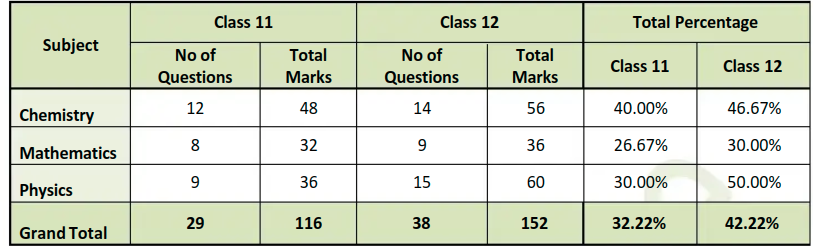
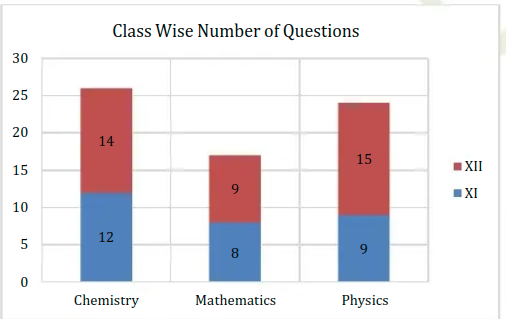
Subject-wise JEE Main 2023 April 8 shift 2 paper analysis
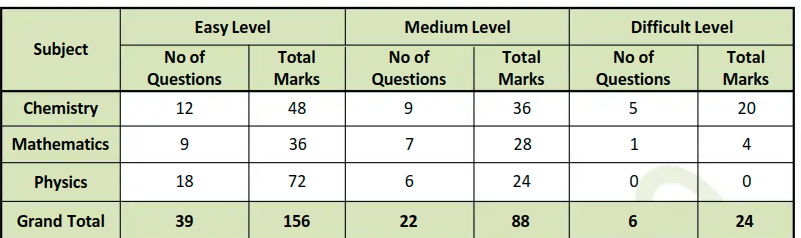
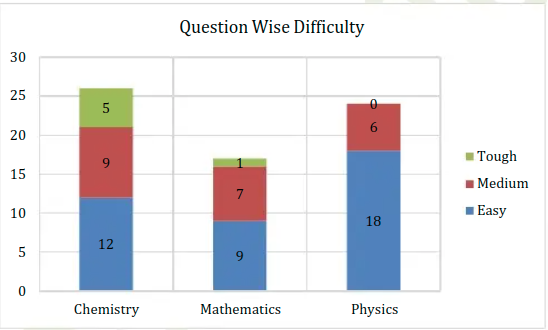
Overall difficulty level analysis for JEE Main 2023 April 8 shift 2
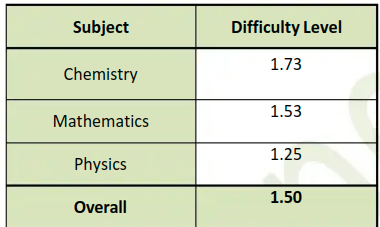
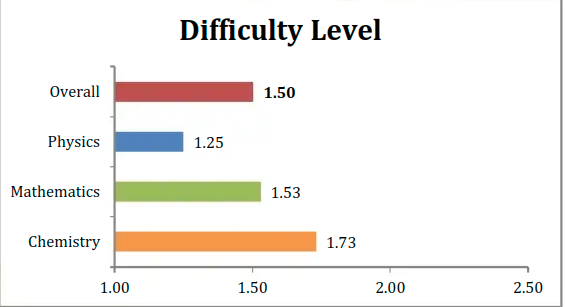
According to Ramesh Batlish, centre head FIITJEE Noida, JEE Main April 8 shift 1 overall difficulty level was easy to moderate as per the students. In term of order of difficulty Mathematics was Moderate, Chemistry was Easy to Moderate, while Physics was Easy. Moreover, no errors were reported in the question papers. Check the complete paper analysis of JEE Main April 8 shift 1 below.
Physics: The paer was easy. Questions were asked from Kinrmatics, Laws of Motion, Rotational Motion, Work, Power & Energy, , Error Analysis, Capacitance, Magnetism, Semi-Conductors, Current Electricity, Communication Systems, Modern Physics, Electrostatics.
Chemistry: Theoverall difficulty level was easy to moderate. Organic & Inorganic Chemistry had questions directly from NCERT Books. Less weightage given to Physical Chemistry that too in Numerical Section. In Physical Chemistry questions were asked from Electrochemistry, Ionic Equilibrium, Chemical Kinetics, Chemical Equilibrium and Atomic Structure. Organic Chemistry had questions from Aldehydes & Ketones, Atul & Alkyl Halides, Amines, Alcohols, Biomolecules and General Organic Chemistry. Inorganic had questions from Co-ordination Compounds, Chemistry in Everyday Life, Group-18. Few questions from Organic Chemistry were tricky but not tough.
Mathematics: The paper was of moderate level. Questions were asked from all chapters with emphasis on Chapters of Algebra & Calculus. Questions asked from Matrices, Determinants, 3D Geometry, Vectors, Progressions, Permutation & Combination, Probability, Binomial Theorem, Complex Numbers, Differentiation, Differential Equations, Definite Integrals, Area under Curves, Parabola & Circle.
According to TOI, JEE Main April 8 shift 1 overall difficulty level was easy to moderate. Mathematics paper was most time consuming subject in today’s exam. The order of difficulty level of subject is Mathematics>Chemistry>Physics. The overall subject wise difficulty level are as follows:
Physics: The overall difficulty level was easy. The question in Physics was formula based.
Chemistry: The overall difficulty level is easy to moderate. Moreover, the paper was easy to attempt.
Mathematics: The paper was of moderate difficulty level. Maths paper was not tough to attempt. The questions were asked from PNC and Probability.
The paper analysis of JEE Main 2023 consists of subject-wise difficulty level of JEE Mains along with most asked topics in the exam. Know the JEE Main analysis 2023 along with comparison with the previous year JEE Main shift wise difficulty level. NTA JEE Main paper analysis 2023 paper is also be available based on difficulty levels. The JEE Main trend analysis PDF includes student reviews, memory-based questions, and topic-weightage. The JEE Mains 2023 analysis provides an idea of the type of questions asked in the exam, difficulty level of JEE Main exam 2023. The session 1 of JEE Main exam 2023 was conducted on January 24, 25, 28, 29, 30, 31, and February 1. Here candidates can check the JEE Main exam analysis 2023 through videos and reactions for previous year's paper as well. Read the full article to know more about JEE Main analysis 2023.
Candidates can check here the day and shift-wise JEE Main exam analysis 2023 for all the sessions of the exam. JEE Main 2023 exam analysis is regularly updated here after the conclusion of the JEE Main 2023 exam all shifts. Various coaching institutes like FITJEE and Resonance has released the JEE Main analysis 2023 today for day-wise exam. Candidates can refer to the complete details of IIT JEE Main analysis 2023 below.
The authorities have successfully conducted the JEE Main April 6 shift 2 paper on various exam centres. The candidates can check the complete exam analysis of JEE Main 2023 April 6 shift 2 here.
As per Ajay Sharma, National Academic Director, Engineering, Aakash BYJU’S, NTA followed the same trend of difficulty level for Shift 2 of JEE Main Exam as Shift 1 on 6th April 2023. It was a paper of Moderate level. Chemistry was the easiest of the lot whereas Mathematics because of lengthy calculations were considered to be moderate by many students. Overall, it was a balanced paper which can be solved in the stipulated time. Average students found Mathematics difficult.
Chemistry- The paper was by and large based on NCERT books. Good questions were asked from organic chemistry, especially the Grignard reagent. Overall, the questions from the Physical, Organic and Inorganic branches were more or less evenly distributed. Questions from prominent chapters like Solutions, solid state, Electrochemistry, Alcohol, Phenol and Ether and Aldehyde, Ketone and Carboxylic Acids were asked. Overall coverage of the chapters was uniform. Block chemistry had weightage in the paper. A thorough study of the NCERT books and mock tests based on NCERT is the guarantee of success in these types of tests. According to students, XII chemistry had more weightage on paper.
Physics- According to a sizeable number of students, the Physics part was of easy level. Questions from Mechanics, Work Power and Energy, Gravitation and Modern Physics were duly represented in the paper. Two-three questions from Work, Power and Energy and one question in Unit and Dimensions were there in the paper. Other chapters were also included in due proportions. There were a good number of numericals which were largely formula based. According to students XII Physics had more weightage in the paper. Solving a good number of mock tests would prove to be an effective strategy.
Mathematics- The mathematics paper was moderate but slightly time taking due to the lengthy calculations involved. A few good questions were interspersed sporadically. Questions were asked from Sequence and Series, Differential Equations, Trigonometry and Algebra were there. One question from Statistics and one from probability are there in the paper. Almost all the topics were covered. Again, practice through mock tests holds the key.
The overall difficulty level of the paper was moderate. Candidates can check the detailed difficulty level subject wise here.
Class-wise difficulty level of JEE Main 2023 April 6 shift 1 exam
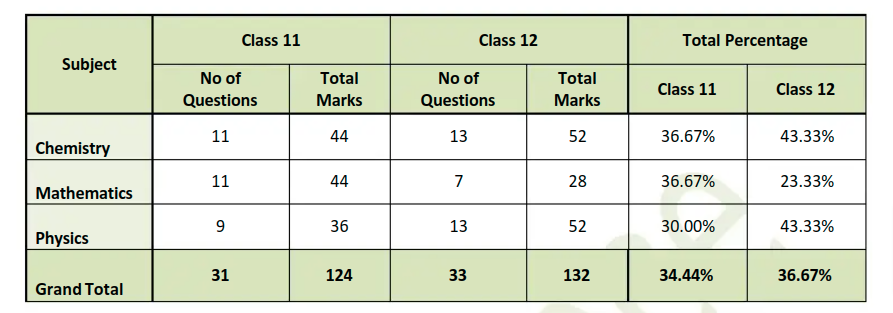
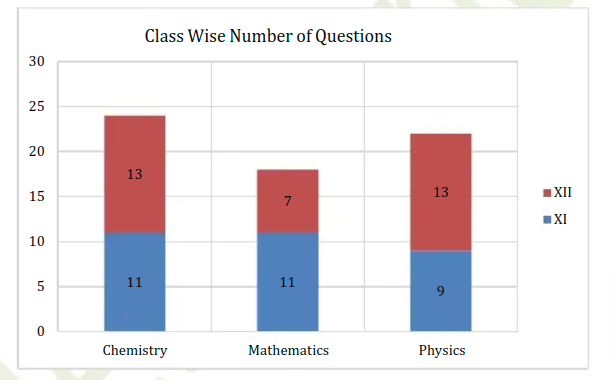
Subject-wise JEE Main 2023 April 6 shift 2 paper analysis
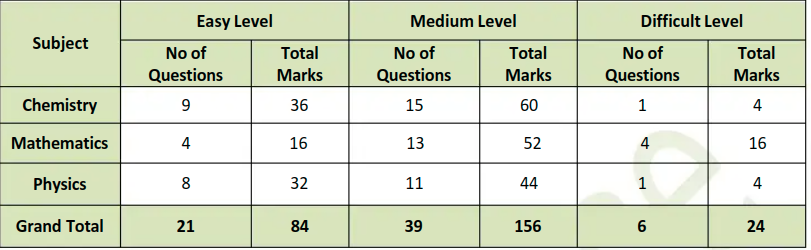
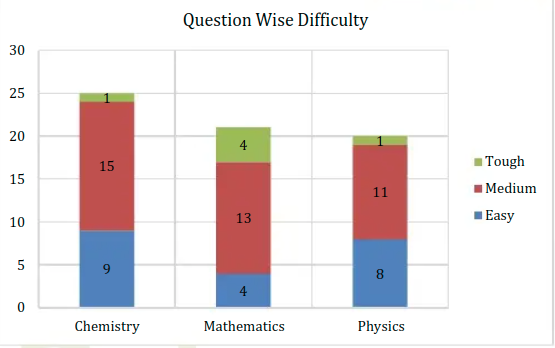
Overall difficulty level analysis for JEE Main 2023 April 6 shift 2
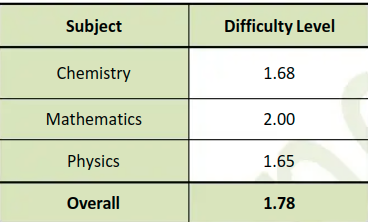
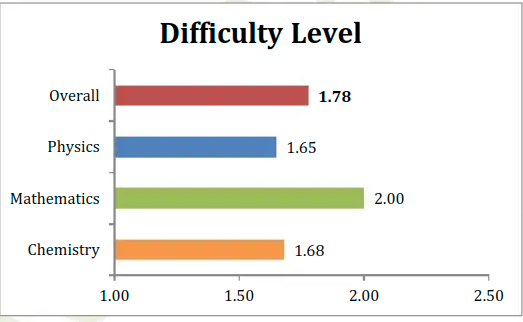
NTA has conducted the JEE Main April 6 exam shift 1 at 12 PM today. As per students who appeared for the JEE Main 2023 April 6 exam, the total difficulty level of today's IIT JEE Main paper was of moderate level.
According to Ajay Sharma, National Academy Director, JEE Main April 6 shift 1 paper followed the same trend of difficulty level as the January session. The overall difficulty level was easy to moderate. Physis was the easiest paper compared to Mathematics and Chemistry. Due to lengthy calculations, candidates considered Maths paper moderate. Overall the paper was balanced and can be solved in the stipulated time. Below is the subject wise analysis of JEE Main April 6 shift 1 paper.
Physics: Several candidates reported that Physics was the easiest paper. Questions were based on Mechanics, Current electricity, Semiconductors, and Modern Physics.
Chemistry: The question in Chemistry was based on NCERT books. The paper had question from the chapters like p-block, Coordination, Biomolecules, Alcohol, Phenol and Ether, Chemical bonding and Aldehyde, Ketone and Carboxylic Acids. Qualitative Analysis, d-block, and p-block had weightage in the paper.
Mathematics: The question was lengthy and time taking. The overall difficulty level was moderate. Mathematic questions were based on Calculus, Coordinate Geometry, Probability, Vectors & 3D, and Algebra were there. Vector and 3D.
Ramesh Batlish, the head of FIITJEE Noida has shared his feedback on JEE Mian April 06 Shift 1. As per Mr. Batlish, the shift 1 paper was of moderate level. Physics paper was easy while Chemistry and Mathematics were of moderate level. Moreover, no error was found in the question paper. The overall difficulty level subject wise is as follows:
Physics: The paper was easy. Physics paper questions were based on Laws of Motion, Rotational Motion, Work, Power & Energy, Simple Harmonic Motion, Error Analysis, Capacitance, Magnetism, Semi-Conductors, Current Electricity, Communication Systems,Modern Physics, Centre of Mass, Electrostatics.
Chemistry: The difficulty level of the Chemistry paper was easy to moderate. Questions were asked from topics such as Electrochemistry, Ionic Equilibrium, Chemical Kinetics, Chemical Equilibrium and Atomic Structure. Organic Chemistry had questions from Aldehydes & Ketones, Amines, Alcohols, Phenols, Biomolecules, and General Organic Chemistry. Inorganic had questions from Co-ordination Compounds, Chemistry in Everyday
Mathematics: The paper was of moderate difficulty level. Questions asked from Matrices, Determinants, 3D Geometry, Vectors, Progressions, Permutation & Combination, Probability, Binomial Theorem, Complex Numbers, Differentiation, DefiniteIntegrals, Area under Curves, Parabola & Circle. The Numerical Section had lengthy calculations. Few questions in MCQs were reported as Tricky & Lengthy.
The experts of Resonance have released the JEE Main April 6 shift 1 exam analysis online. Based on the analysis done by the Resonance experts overall difficulty level of the paper was moderate. Moreover, Physics paper was easy compare to Mathematics and Chemistry. Below is the detailed analsysis of JEE Main April 6 shift 1 exam by Resonance.
Marks Distribution:
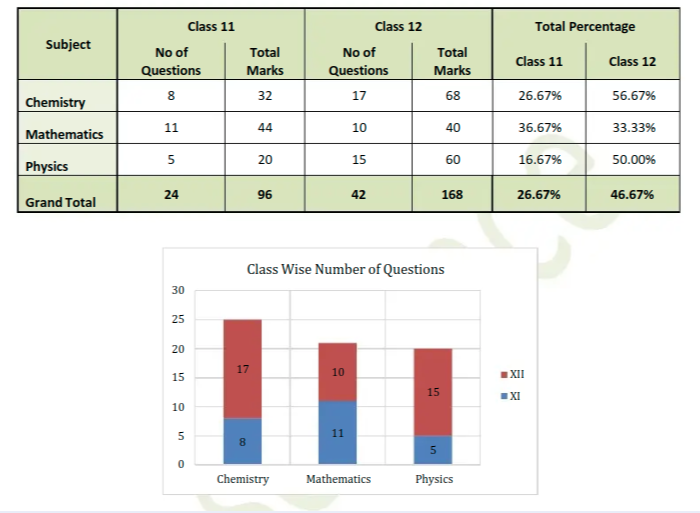
Subject Wise Difficulty Level:
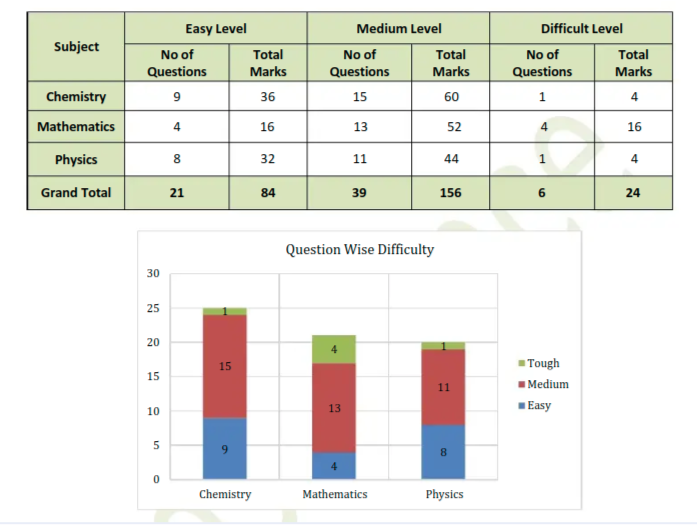
Overall Difficulty Level:
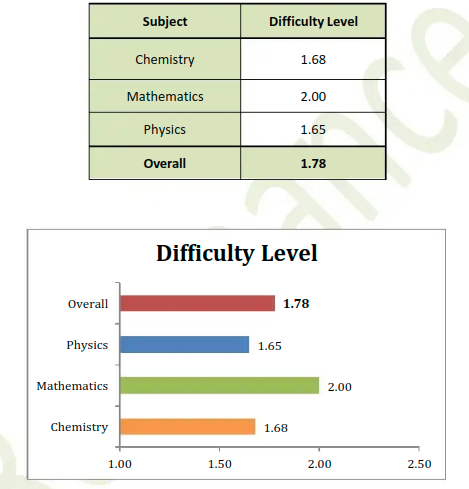
Candidates preparing for the NTA JEE Main exam 2023 can below check the detailed last 5 years JEE Main analysis.
JEE Main exam date | Shift 1 | Shift 2 |
JEE Main analysis April 6, 2023 | ||
JEE Main analysis April 8, 2023 | ||
JEE Main analysis April 10, 2023 | ||
JEE Main analysis April 11, 2023 | ||
JEE Main analysis April 12, 2023 | JEE Main analysis April 12, 2023 Shift 2 | |
JEE Main analysis April 13, 2023 | ||
JEE Main analysis April 15, 2023 | JEE Main analysis April 15, 2023 Shift 2 |
| JEE Main 2023 Date | JEE Main 2023 Analysis PDF - Shift 1 | JEE Main 2023 Analysis PDF - Shift 2 |
| JEE Main 2023 January 31 | JEE Main 2023 January 31 Shift 1 | JEE Main 2023 January 31 Shift 2 |
| JEE Main 2023 January 30 | JEE Main 2023 January 30 Shift 1 | JEE Main 2023 January 30 Shift 2 |
| JEE Main 2023 January 29 | JEE Main 2023 January 29 Shift 1 | JEE Main 2023 January 29 Shift 2 |
| JEE Main 2023 January 25 | JEE Main 2023 January 25 Shift 1 | JEE Main 2023 January 25 Shift 2 |
| JEE Main 2023 January 24 | JEE Main 2023 January 24 Shift 1 | JEE Main 2023 January 24 Shift 2 |
JEE Main exam date | Shift 1 | Shift 2 |
JEE Main analysis July 25, 2022 | ||
JEE Main analysis July 26, 2022 | ||
JEE Main analysis July 27, 2022 | JEE Main analysis July 27, 2022 Shift 1 | |
JEE Main analysis July 28, 2022 | ||
JEE Main analysis July 29, 2022 |
JEE Main exam date | Shift 1 | Shift 2 |
JEE Main analysis August 26, 2021 | ||
JEE Main analysis August 27, 2021 | JEE Main analysis August 27, 2021 Shift 1 | |
JEE Main analysis August 31, 2021 | ||
JEE Main analysis September 1, 2021 | JEE Main analysis September 1, 2021 Shift 1 |
Mathematics – Moderate level. It was calculative and tough. Questions were asked from 3D, coordinates, matrices, reasoning.
Physics – Easy level. The questions were asked from topics like semiconductor, optics, modern physics, electromagnetic induction, mechanics, current, mirror, magnetic field.
Chemistry – Easy level. Questions were NCERT based. Most of the questions were asked from organic Chemistry, while questions were also found from topics like polymers, reactions, chemistry in everyday life, aldehydes.
Mathematics – Moderate level. It was calculative and lengthy. Questions were asked from 3D, matrices, series and sequence, statistics.
Physics – Easy level. The questions were asked from topics like semiconductor, POC, optics, modern physics, EM waves, electromagnetic induction.
Chemistry – Easy level. Questions were NCERT based. Most of the questions were asked from Inorganic Chemistry, while questions were also found from topics like polymers, chemistry in everyday life, block chemistry, aldehydes, ketones. 2 questions were asked from biomolecules.
Mathematics – Moderate level. It was calculative and lengthy. Questions were asked from integral, statistics, sequence series, 3 questions were asked from 3D, 2 questions from Trignometry, 1 from AP and 1 from GP.
Physics – Easy level. The questions were asked from topics like semiconductor, mechanics, EM waves, magnetic field, mechanics, thermodynamics, semiconductor, AC, Young's modulus.
Chemistry – Moderate level. Questions were NCERT based and was dominated by Inorganic Chemistry. Questions were asked from topics like organic, kinematics, chemistry in everyday life, metallury, aldehyde ketones. 2 questions were asked from biomolecules.
As per the experts of Akaash+ Byju's Institute, the overall difficulty level of paper was of moderate difficulty level. Some good questions were time-consuming hence, students found the paper a bit lengthy Good students were able to complete the paper in a given stipulated time. Complete coverage of the syllabus and attempting similar test hold key to success.
Chemistry- Overall paper was of a moderate level. An in-depth study of NCERT books holds key to getting good marks. Questions from chapters like p-block, d-block, Chemical bonding, Atomic Structure, Thermodynamics, Redox reactions, and Organic Chemistry were there. There were questions from one question each Polymer, Metallurgy, Co-ordination Compounds and Biomolecules.
Physics- According to a large number of students Physics part was very easy. Questions were spread in all topics like Mechanics, Waves and Modern Physics. The optics part had less contribution in this shift. There were two questions each from Thermal properties of matter, Elasticity, Semiconductor and Alternate Current. The paper was formula based and students were able to do questions easily.
Mathematics- Mathematics paper was calculative and lengthy. Questions were spread around Calculus, Co-ordinate Geometry, 3D and Algebra. Around 4 to 5 questions were from Calculus, 3 to 4 questions from Co-ordinate Geometry and also questions from Vector and 3D. There were two questions from AP/GP, two questions from P&C, two questions from the Binomial theorem, and one question from the Differential equation.
Overall students found Maths paper lengthy and difficult.
The order of difficulty subject-wise is
Mathematics > Chemistry > Physics.
Mathematics – Moderate level. It was calculative and tricky. Questions were asked from GP, integral, statistics, mean variation, variance, sequence series, 2 questions were asked from 3D and 1 question was from mathematical reasoning.
Physics – Easy level. The questions were asked from topics like semiconductor, modern physics, EM waves, magnetic field, electromagnetic induction.
Chemistry – Moderate level. Questions were NCERT based and was dominated by Organic Chemistry. Questions were asked from topics like surface tension, organic, kinematics, optics, aldehyde ketones. 2 questions were asked from biomolecules.
Mathematics – Moderate level. It was calculative and tricky. Questions were asked from 3D, matrices, probability.
Physics – Easy level. The questions were asked from topics like semiconductor, optics, modern physics, EM waves, electromagnetic induction.
Chemistry – Easy level. Questions were NCERT based. Questions were asked from topics like IOC, periodic properties, chemical bonding, polymers.
As per the experts of Akaash+ Byju's Institute, the diffculty level of paper was Easy to Moderate level. Physics was the easiest of the lot whereas Mathematics because of some lengthy calculations were considered to be a bit difficult by many students.
Chemistry- The chemistry paper was largely based on NCERT books and exemplars. The majority of the numerical-based questions were from Physical Chemistry and the remaining from Organic and Inorganic Chemistry. Overall the questions from the Physical, Organic and Inorganic branches were more or less evenly distributed. Questions from prominent chapters like Equilibrium, Thermodynamics Redox reactions, Chemical bonding and Chemical Kinetics were asked. Overall coverage of the chapters was uniform. Inorganic chapters like Co-ordination Compounds, d-block and p-block had good weightage in the paper. A thorough study of the NCERT books, solving NCERT exemplars and mock tests based on NCERT is the guarantee of success in these types of tests.
Physics- The Physics part was also of easy level. Questions from Optics, Waves and Modern Physics were duly represented in the paper. Three questions from Modern Physics and two questions. Electromagnetic Waves were there in the paper. Other chapters were also included in due proportions. There were a good number of numerical which were largely formula based. According to students XII Physics had more weightage on paper. Solving a good number of mock tests would prove to be an effective strategy.
Mathematics- The mathematics paper was moderate but slightly time taking due to the lengthy calculations involved. A few good questions were interspersed sporadically. Questions were asked about Calculus, Coordinate Geometry, Vectors & 3D and Algebra. Coordinate Geometry was dominant in the paper. There were two questions from Matrix and determinants, three questions from Vectors and 3D, one question from Statistics and three questions from Continuity and Differentiability. Almost all the topics were covered. Again practice through mock tests holds the key.
Overall, it was a balanced paper which can be solved in the stipulated time.
The difficulty level-wise order according to a large section of students is
Mathematics > Chemistry > Physics
According to the experts of Vidyamandir Classes (VMC), the paper difficult in comparison to JEE Main 2022 paper. In today's paper Class 11th questions were more than class 12th.
Mathematics – Moderate level. It was calculative and lengthy. Questions were asked from 3D, algebra, integration and limit, differential equation, matrices, MR, statistics, binomial, coordinate geometry, parabola, circle, area under curve, PNC, probability and had less questions from Calculus.
Physics – Easy level. 2 questions were from Modern Physics, while paper also had questions from semiconductor, communication system, optics, magnetism, electrostatistics, unit and dimension, and few were from Kinematics topics.
Chemistry – Easy level. Questions were NCERT based. 3 questions from Thermodynamics, solubility. Paper also had questions from organic and inorganic, pdf block, environmental chemistry, chemistry in everyday life.
As per the FITJEE exerts, questions covered almost all chapters of Class XI & XII CBSE Board. It was a balanced paper and easier than Last Year.
In terms of order of Difficulty – Maths was Moderately Tough while Physics was Easy to Moderate Level, while Chemistry was Easy. Overall, this paper was Moderate level as per students.
As per the experts of Akaash+ Byju's Institute, the overall the difficulty level paper of today's paper was easy to moderate. A few good questions were spread here and there in the three subjects which made the paper a bit difficult. Chemistry was Memory Based while Maths was calculative, but students were able to complete the paper in a given time.
Chemistry- The chemistry paper was balanced. The physical portion was less as compared to Organic and Inorganic Chemistry. Most of the physical chemistry questions were of integer type. Chapters like p-block, d-block, and Coordination chemistry had more weightage in the paper. The whole paper was mostly NCERT based. Questions from Chemistry in everyday life, GOC, Aldehydes and Ketones, Environmental Chemistry and Polymers were asked.
Physics- Questions were set from all the topics. Students were tested on the simple level of applicability of concepts. Direct formula-based questions were asked. Three questions were from Thermodynamics, one Electrostatics, one from Optics, two from Magnetism and two to three questions from Modern Physics were reported by students. Those students who have thoroughly covered the syllabus of XI and XII along with sufficient problem-solving through similar types of practice tests will score better in this paper.
Mathematics- Mathematics part was concept based but moderate. Getting 6 to 7 questions from Calculus was the mainstay of the paper. There were 2 questions from Algebra, 2 questions from Integration, 1 question from Differential Equation, 2 questions from Coordinate Geometry and 3 questions from Vectors and 3D Geometry. A few good questions were also there in the paper on which students have to think a lot to attempt them.
Overall, it was a typical JEE (Main) paper of moderate difficulty level which can be solved comfortably in the stipulated time by good students but average students found it a bit difficult.
The order of difficulty level in different subjects as assessed by a large section of aspirants is
Mathematics > Chemistry > Physics.
Mathematics – Difficult level. It was calculative and lengthy. Questions were asked from matrices, probability, sequence and series, integration and diffferentiation, straighline and hyper parabola topics. 1 question was asked from binomial while the paper had 2 questions from statistics.
Physics – Easy level. 2 questions were asked from Newton's law and other covered topics were modern physics, communication, semiconductor topics.
Chemistry – Easy level. Questions were NCERT based. 3-4 questions were asked from organic while the paper also had good number of questions from physical chemistry, chemical kinetics topics.
According to the FITJEE exerts, questions covered almost all chapters of Class XI & XII CBSE Board. It was a balanced paper as per students in terms of coverage of chapters.
In terms of order of Difficulty – Maths was Moderate, while Physics & Chemistry were Easy to Moderate Level. Overall, this paper was Moderate level as per students.
Mathematics – Easy to Moderate level. It was calculative and lengthy. 1 question asked from statistics while the paper had less questions from matrices part.
Physics – Moderate level. 2 questions were asked from semiconductor and a few from Kinematics as well.
Chemistry – Easy level. Questions were NCERT based. It had more weightage of organic chemistry. 10-12 questions were asked from organic chemistry section while 1-2 questions were from Physical chemistry.
According to the exerts of FITJEE, questions covered almost all chapters of Class XI & XII CBSE Board. It was a balanced paper as per students in terms of coverage of chapters. The paper was easier compared to last year as per students.
In terms of order of Difficulty – Mathematics section was Moderately Tough while Physics was Easiest amongst the three subjects. Overall, this paper was of Moderate level as per students.
Mathematics – Moderate level. The questions were asked from series, limits, determinants, 3D, circle, and hyperbola.
General Aptitude – Easy level. Monument matching questions and Patronous tower questions were asked.
Aptitude – Moderate level. Questions were asked from orthographic projection. The paper had 2 questions from paper folding, 3 questions from mirror image, and 4 questions were asked from series completion topic.
Mathematics – Easy level. It was calculative and lengthy had questions from vector and functions topics.
Physics – Moderate level. Questions were asked from Modern Physics and capacitance topic.
Chemistry – Easy level. Good number of questions were asked from the Inorganic chemistry.
According to the FITJEE exerts, questions covered almost all chapters of Class XI & XII CBSE Board. It was a balanced paper as per students in terms of coverage of chapters.
In terms of order of Difficulty – Mathematics was Moderate, Chemistry was Easy to Moderate, Physics was reported Easy amongst the three subjects. Overall, this paper was of Moderate level as per students.
Mathematics – Moderate level. It was lengthy and calculative. Maths had questions from 3 D, vector, integration topics.
Physics – Easy level. Modern Physics were more prevalent in the paper. Some questions were asked from electricity, semiconductor topic. 1 question was asked from gravitation topic.
Chemistry – Easy level. Good number of questions were asked from the Organic chemistry. The paper had high weightage of Physical Chemistry, questions were from Block chemistry. And in today's paper, chemistry had less questions from NCERT.
As per the experts of Akaash+ Byju's Institute, just following yesterday’s trend overall paper was easy to moderate. Good students were able to complete the paper in a given stipulated time. Doing previous year's questions and attempting similar tests should fetch good marks.
Chemistry- Overall paper was of a moderate level. Study of NCERT books and mock tests based on NCERT holds the key to getting good marks. Physical Chemistry questions were fewer as compared to Organic Chemistry. Questions from chapters like Co-ordination Chemistry, Atomic Structure, Thermodynamics, Redox reactions, Chemical Kinetics, Hydrocarbon and Aldehyde and Ketones were there while questions from chapter Chemistry in Every-day life were conspicuously absent.
Physics- According to a large number of students Physics part was easy. Questions were spread in all topics like Mechanics, Waves and Modern Physics. The optics part had less contribution in this shift. Match-type questions were also there. The paper was formula based and students were able to do questions easily.
Mathematics- Mathematics paper was calculative and lengthy. Questions were spread around Calculus, Co-ordinate Geometry, 3D and Algebra. Around 4 to 5 questions were from Calculus, 3 to 4 questions from Co-ordinate Geometry and Binomial Theorem. Students were able to attempt question practice through mock tests holds the key.
Overall students found Maths papers very lengthy but not difficult. The order of difficulty subject-wise is
Mathematics = Chemistry > Physics.
According to the exerts of FITJEE, questions covered almost all chapters of Class XI & XII CBSE Board. Balanced Paper as per students in terms of coverage of chapters. Students reported Paper Similar to Last Year.
In terms of order of Difficulty – Mathematics was Moderately Tough, Chemistry was Easy to Moderate, while Physics was Easy. Overall, this paper was of Moderate level as per students.
According to the experts of Vidyamandir Classes (VMC), the paper difficulty was on the same line as JEE Main 2022 paper was. In today's paper Physics & Chemistry had assertions and reasoning based questions.
Mathematics – Moderately easy level. Most of the questions were direct. Questions included Integration, sets, and statistics topic. Calculus part was easy.
Physics – Easy level. 1 question was asked from semiconductor and wave part. Most of the questions were memory based as they were doable if NCERTs are covered properly. Overall Physics was easy and doable.
Chemistry – Easy level. Physical organic chemistry had more weightage and most of the questions were directly asked from the NCERT and everyday chemistry, IOC, and inorganic chemistry topics were also asked.
As per the experts of Akaash+ Byju's Institute, it was a paper of Easy to Moderate level. Physics was the easiest of the lot whereas Mathematics because of some lengthy calculations were considered to be moderate by many students. A detailed subject-wise analysis is given below.
Chemistry- The paper was by and large based on NCERT books and examples. The majority of the numerical-based questions were from Physical Chemistry and the remaining from Organic and Inorganic Chemistry. Overall the questions from the Physical, Organic and Inorganic branches were more or less evenly distributed. Chemistry in everyday life was included in the paper. Questions from prominent chapters like coordination compounds, equilibrium, thermodynamics Redox reactions, Chemical bonding and Chemical Kinetics were asked. Overall coverage of the chapters was uniform. d-block and p-block had less weightage in the paper. A thorough study of the NCERT books, solving NCERT examples and mock tests based on NCERT is the guarantee of success in these types of tests.
Physics- According to a sizeable number of students, the Physics part was also of easy level. Questions from Optics, Waves and Modern Physics were duly represented in the paper. Around 3 to 4 questions from SHM, Three questions from Modern Physics and two questions. Electromagnetic Waves were there in the paper. Other chapters were also included in due proportions. There were a good number of numerals which were largely formula based. According to students XII Physics had more weightage on the paper. Archive questions were also there on the paper. Solving a good number of mock tests would prove to be an effective strategy.
Mathematics- The mathematics paper was moderate but slightly time taking due to the lengthy calculations involved. A few good questions were interspersed sporadically. Questions were asked from Calculus, Coordinate Geometry, Vectors & 3D and Algebra were there. Coordinate Geometry was dominant in the paper. Almost all the topics were covered. Again practice through mock tests holds the key.
Overall it was a balanced paper which can be solved in the stipulated time. According to the student questions, Only MCQ and Integer types but Numerical value questions were not there in contrast to the previous year. The difficulty level-wise order according to a cross-section of students is
Mathematics > Chemistry > Physics
According to the exerts of FITJEE, the questions covered almost all chapters of Class XI & XII CBSE Board and overall it was a balanced Paper.
In terms of difficulty- Mathematics was Moderate, Chemistry was Easy to Moderate, Physics was reported Easy amongst the three subjects. Overall, this paper was of Moderate level as per students.
Mathematics – Moderately Tough level. 1 question was asked from reasoning, 1 question was asked from calculus. Maths had maximum questions from matrix and integration while a few were asked from 3D topic.
Physics – Moderate level. 4-5 questions were asked from semi conductor, POC, EM waves. Most of the questions were memory based as they were doable if NCERTs are covered properly. There were many questions from thermodynamics, semiconductors, and kinematics.
Chemistry – Easy level. Physical organic chemistry had more of numerical based questions. And most of the questions were directly asked from the NCERT.
The overall difficulty level of JEE Mains January 24 shift 1 exam was Moderate. As per the experts of Resonance, out of all the three sections of JEE Mains January 24 shift 1 exam, Chemistry was on tougher side compared to that of Mathematics and Physics. Check the subject-wise analysis from below.
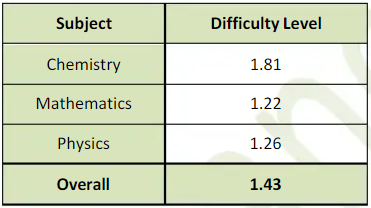
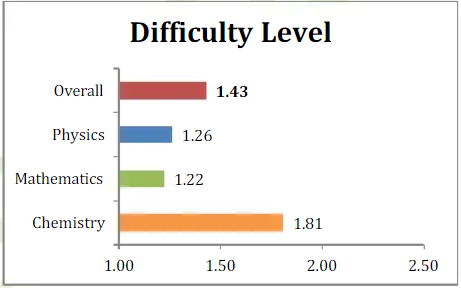
Questions covered almost all chapters of Class XI & XII CBSE Board. Balanced Paper as per students in terms of coverage of chapters. Students reported Paper Easier than Last Year.
In terms of order of Difficulty – Mathematics was Moderately Tough while Chemistry was moderate and Physics was easiest amongst the three subjects. Overall, this paper was of easier level as per students.
As per the students reaction, JEE Main January 24 shift 1 paper was easy in difficulty level. The Mathematics section was quite tough and lengthy while Chemistry section was moderate in difficulty level. Almost all the questions in Chemistry section were asked from NCERT. The Physics section was easy.
Mathematics – Moderate level- Questions were asked from all chapters with emphasis on Chapters of Algebra & Calculus. Questions asked from Determinants, 3D Geometry, Vectors, Permutation & Combination, Probability, Binomial Theorem, Complex Numbers, Functions, Limits & Continuity, Definite Integrals, Area under Curves, Parabola, Ellipse & Circle. The Numerical Section had lengthy calculations. Few questions in MCQs were reported as Lengthy.
Physics – Easy level- Questions asked from Electrostatics, Magnetism, Current Electricity & Modern Physics, EM Waves, Laws of Motion, Semiconductors, Kinematics, Heat & Thermodynamics. Numerical based questions were easy. Few fact-based questions from class XII chapters of NCERT were also asked.
Chemistry –Easy to Moderate level - Organic & Inorganic Chemistry had questions directly from NCERT Books. Numerical Based questions were mostly from Physical Chemistry. Questions asked from Aldehydes & Ketones, Amines, Co-ordination Compounds, Environmental Chemistry, Ionic Equilibrium. Few questions from Organic Chemistry were reported slightly tricky.
According to the experts of Vidyamandir Classes (VMC), the paper difficulty did not change, and it was on the same line as JEE Main 2022 paper was.
As per the experts from Aakash+Byjus, the overall paper was easy to moderate level.
Mathematics: Students found that the Mathematics part was a bit lengthy but Moderate. 5 to 6 questions from Calculus were the main stay of the paper. There were not less than 5 questions from Algebra, 2 questions from Coordinate Geometry and 2 or 3 questions from Trigonometry. Chapters like Vectors, 3D Geometry and Probability too found representation in this paper.
Physics: Questions were set from covering all the topics. Students were tested on the simple level of applicability of concepts. Numericals were more in numbers than theoretical questions. Questions were from Thermodynamics, Electrostatics, Optics, Magnetism, Modern Physics and other chapters. Those students who have thoroughly covered the syllabus of XI and XII along with sufficient problem-solving through similar types of practice tests will score nicely in this paper.
Chemistry: The chemistry part was on predicted lines. It was observed by Students that the physical portion was less as compared to Organic and Inorganic Chemistry. All the questions from Organic Chemistry were asked in MCQ form. The whole paper was NCERT based. Chemistry in everyday life, GOC, Aldehydes, Ketones and Biomolecules are the chapters from which a significant number of questions were asked.
Q. Where is Notre Dame Cathedral?
Ans: Paris, France.
Q. Where does the President of the USA live?
Ans: The White House
Q. Which colour represents equality?
Ans: White
Q. Why is beam used in buildings?
Ans : Bemas are used as critical support or the main framework in buildings.
Q. Whose residence is Downing street?
Ans: Downing Street is the official residence of the First Lord of the Treasury, the Prime Minister of the United Kingdom.
Q. Where is Bara Imambara located?
Ans : Lucknow
Q. A thin liquid film formed between a U-shaped wire and a light slider supports a weight of 1.5x 10⁻² N. The length of the slider is 30 cm and its weight negligible. The surface tension of the liquid film is -
Ans: 0.025
Q. A boy can throw a stone up to a maximum height of 10m. The maximum horizontal distance that the boy can throw the same stone will be?
Ans: 20m
Q. If the line 2x=y=k passes through the point which divides the line segment joining the points (1,1) and (2,4) in the ratio 3:2, then k equals?
Ans: 6
Q. An equation of a plane parallel to the plane x-2y+2z-5=0 and at a unit distance from the origin is?
Ans: x-2y+2z-3=0
Planning
Q. Draw a highway road diagram with car and truck in opposite direction
Frequently Asked Questions (FAQs)
Candidates can download the JEE Main 2026 admit card through their application number and password.
Candidates will be able to download the JEE Main response sheet 2026 from the NTA official website after the conclusion of each session of the JEE exam.
Yes, candidates can challenge the provisional answer key from the official website before the last date.
Candidates must bring an admit card; a valid photo ID such as an Aadhar card, voter ID, passport, etc.; and a passport-sized photograph. You can check the details on the admit card instructions.

On Question asked by student community
Hello,
For JEE Advanced Physics preparation, focus on building strong conceptual understanding along with regular problem-solving. Important topics include:
Mechanics
Electrostatics and Current Electricity
Magnetism
Electromagnetic Induction
Optics
Modern Physics
Thermodynamics
Waves and Oscillations
Rotational Motion
Fluid Mechanics
You can prepare using NCERT, H.C. Verma, D.C. Pandey, and previous years'
Hello, if you entered the wrong JEE percentile but uploaded the correct JEE scorecard, your application may still be considered during document verification. However, the final decision will depend on BBAU's verification process. It is advisable to contact the university admission office and inform them about the mistake as soon
Hello Aspirant,
With JEE main rank of 8,19,756 General (Delhi) Category and 68% in class 12 getting CSC or it in top IPU colleges like BPIT, VIPS, BVCOE, Akhilesh Das, or HMRITM is unlikely through the regular counselling rounds.
However, you should still participate in all IPU counselling rounds including
Hello! Thank you for your question.
Admission to NFSU Delhi Campus depends on several factors, including your JEE Main rank, category, home state status, preferred B.Tech programme, seat availability, and the counselling cut-offs for each round. Please share your JEE Main CRL rank, EWS rank, home state, and preferred B.Tech
Hello Dear Student,
Yes, with an OBC-NCL rank of 10,000 in JEE Advanced, you have a solid chance of securing a seat in newer or lower-tier IITs. However, you will likely be restricted to core branches, Civil, Materials/Metallurgy, or Biotechnology.
You can check, find and access more information here:]

Among top 100 Universities Globally in the Times Higher Education (THE) Interdisciplinary Science Rankings 2026
Last Date to Apply: 31st July | Ranked #43 among Engineering colleges in India by NIRF | Get Upto 100% Scholarships | Spot Admissions via CUET
100+ Recruiters | 1200+ Placements of 2026 Batch | NBA & NAAC Accredited | Highest CTC 37 LPA
NAAC A+ Grade | Ranked 503 Globally (QS World University Rankings 2026)
40 LPA Highest Package | Up to 100% Scholarship worth 24 Crore via GUTS exam
UGC Approved | Highest Package: ₹1.2 Crore Offered | 20,000+ Placements | 1,800+ Recruiting Partners | Avail Upto 100% Scholarship